in short
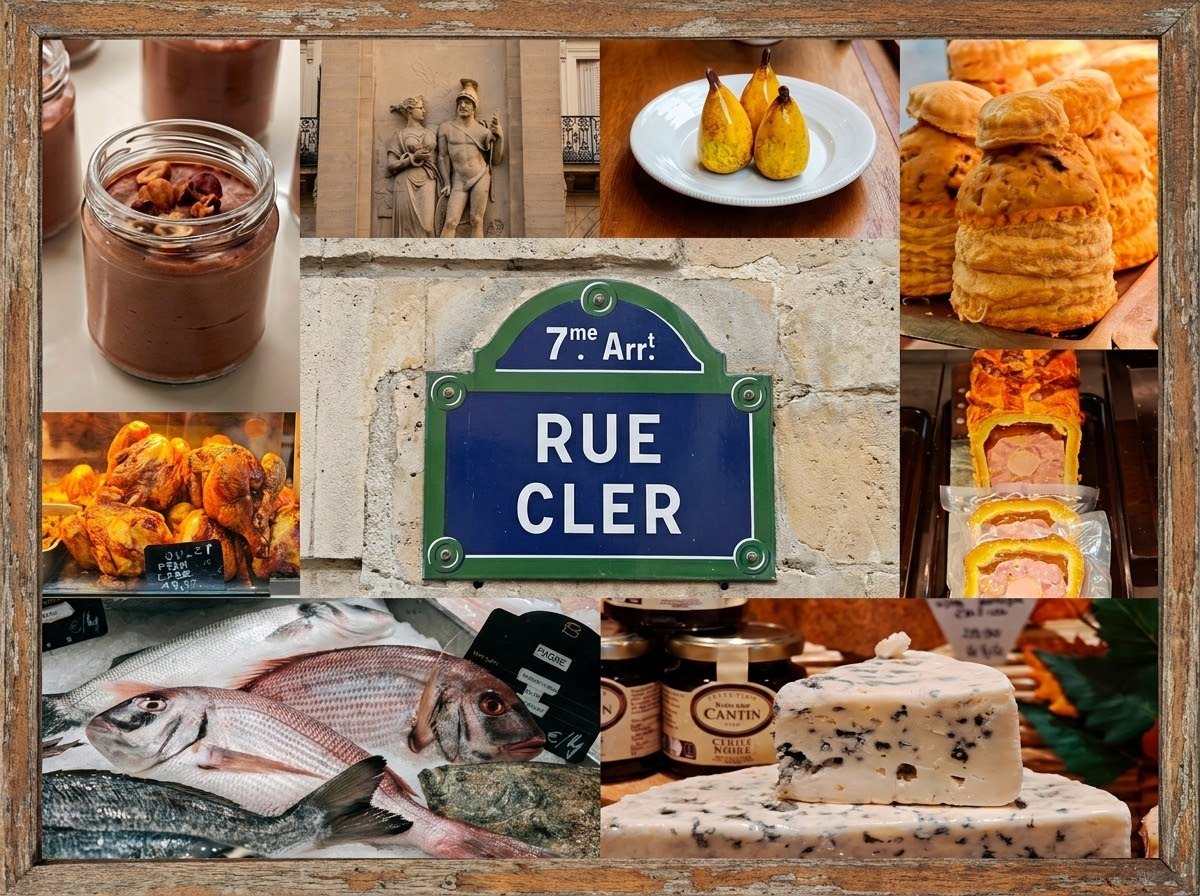
- What's there: An Italian delicatessen founded in 1913, a family-run charcuterie since 1937, a chocolatier operating since 1761, a fish shop with a tasting corner, a rotisserie, a patisserie, a produce shop, a cafe with a terrace, and a bistro since 1908.
- How to get there: Metro line 8, École Militaire stations at the southern end and La Tour-Maubourg at the northern end.
- When: Tuesday through Saturday morning, when almost all the shops are open. On Monday, some of the shops are closed, and on Sunday the street is mostly active in the morning.
- How long: A whole morning, from breakfast to lunch.
- In whose name: General Jean Joseph Gustave Keller, who was killed in the Battle of Magenta on June 4, 1859. The street received its name in 1864.
- history: The northern section opened in 1738 and was called “New Church Street,” and the southern section opened in 1826.
- Bonus: The 1806 Mars Fountain and the bistro La Fontaine de Mars, where Barack and Michelle Obama dined on June 6, 2009.
Rue Cler is named after a general who was killed in a storming of a bridge in northern Italy, and today the only battles fought there are over an empty table on the terrace of the corner cafe (and on Sunday mornings, over the last baguette in the bakery).
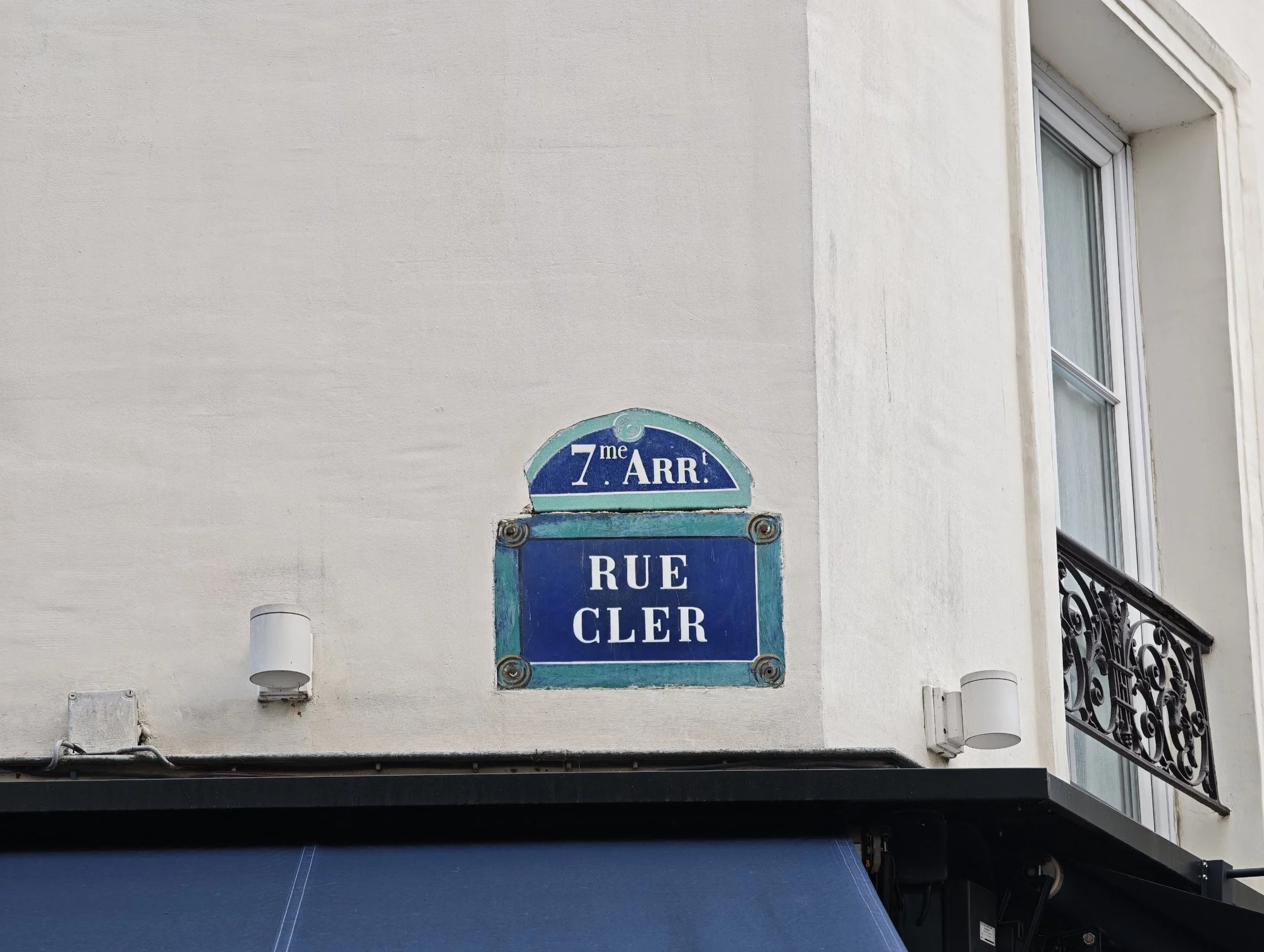
Rue Cler stretches for just 428 meters in the 7th arrondissement of Paris, halfway between the Invalides and the Champ-de-Mars, and almost all the shops in its southern, pedestrianized section sell food. There’s an Italian delicatessen founded in 1913, a family-run charcuterie from 1937, a chocolatier that’s been around since 1761, a young patisserie run by two former chefs from luxury hotel kitchens, and a café that opens its shutters at 7 a.m. Around the corner is a promezzerie that’s been around since 1950. For residents of the district, it’s the neighborhood grocery store, and for visitors, it’s a chance to put together a whole meal from five different shops, just like Parisians do.
However, Rue Cler is also the gateway to a neighborhood with its own history. According to tradition, at its northern end stood the rock that gave the Gros-Caillou neighborhood its name, along the street that crosses it there was built a hospital for the king's soldiers, and the street itself was called "Church Street" until 1864.
During this visit to Paris, I'm staying in a new Audi apartment on Rue du Gros-Caillou, a few minutes' walk from Rue Cler, so this street is my neighborhood grocery store (you'll find Audi apartments in the neighborhood in the accommodation section).
So before we set off and stroll down Rue Cler, let's talk about what you'll find in this article. I'll start with the practical information: how to get there, what days the shops are open, and how much time to allocate. From there, we'll embark on a culinary tour along the street, from the metro station to the Mars Fountain, stopping at every shop and restaurant worth visiting. After the tour, you'll find the history of the streets, from the rock that gave the neighborhood its name to the general who gave the street its name, and finally, accommodation recommendations and answers to questions you should know before visiting.
Practical information for visiting Rue Cler
How to get to Rue Cler
Rue Cler is on metro line 8. The École Militaire station is near the southern end of the street, and from there walk a few minutes along Avenue de La Motte-Picquet until the street opens up on the left. La Tour-Maubourg station, on the same line, is closer to the northern end, near Rue Saint-Dominique. I recommend getting off at École Militaire, because the route in the article goes from south to north and ends in front of the Mars Fountain.
Those coming from the right bank can also get off at the Pont de l'Alma station on RER Line C, which is close to the northern part of the neighborhood.
Opening days and hours at Rue Cler
The street itself is always open, but the shops are not. Each shop sets its own hours, and the exact hours can be found at the end of each stop on the route.
Monday is the problematic day: the delicatessen Davoli, Marie-Anne Cantin's promejeri, the fish shop La Sablaise and the patisserie Matthieu Pauline are closed on that day, and Jeusselin is closed on Tuesday. On Sunday, most of the street is active in the morning and empties in the afternoon, and Cantin's promejeri, for example, closes at 13:00 p.m.
On the other hand, À la Mère de Famille is open every day, and Café du Marché opens its terrace every morning at 07:00 AM and remains open until after midnight.
How long, and when to come?
The length of Rue Cler will not determine the duration of your visit, because 428 meters pass in a few minutes. The time is determined by the stops: a tasting at the patisserie, a queue at the prommezerie, a coffee on the terrace. A whole morning, from breakfast to lunch, is the right time.
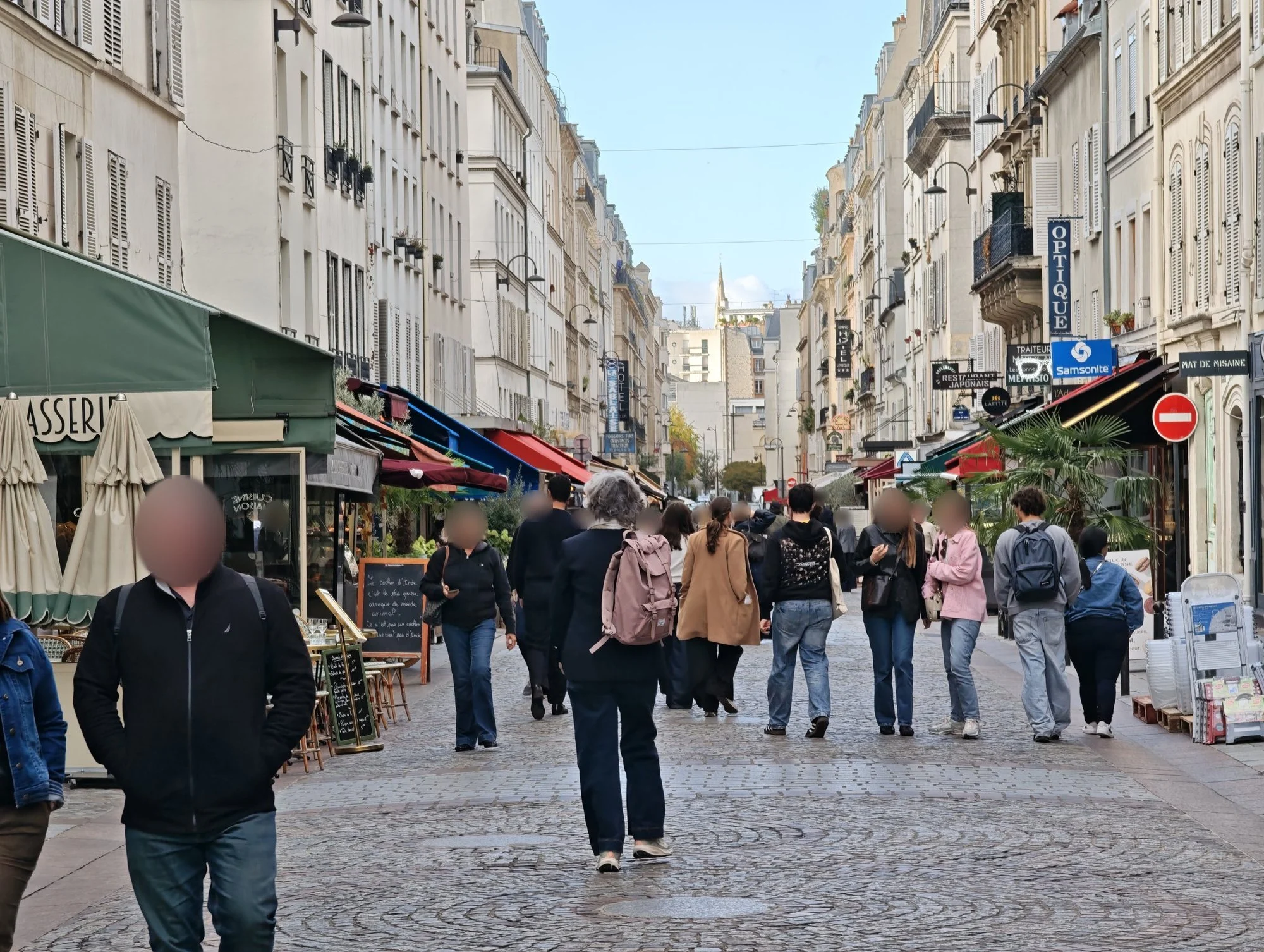
The recommended days are Tuesday through Saturday, when almost all the shops are open and the street is full of neighborhood residents shopping. If you only have Sunday, come as early as possible.
Planning a full day in the district? The route is easy to combine with the Eiffel Tower or the attractions of the 7th arrondissement , and the culinary route following Julia Child on the website also passes through this street. If you are combining the Eiffel Tower or the Invalides with the route, it is worth booking tickets in advance: tickets to the Eiffel Tower and tickets to the Army Museum at the Invalides.
Culinary route on Rue Cler: from the metro station to the Mars Fountain
The route goes from south to north: it starts at the end of the pedestrian zone, near Avenue de La Motte-Picquet, passes the shops in the order you encounter them, crosses Rue de Grenelle and ends at Rue Saint-Dominique, opposite the Mars Fountain. This direction is no coincidence: on the way north you also go back in time, from the section that opened in 1826 to the old section from 1738, and at the end a bistro awaits you for dinner.
Marie-Anne Canten: Cheeses around the corner
At the intersection with Rue du Champ-de-Mars, it's worth taking a slight detour to number 12, where Marie-Anne Cantin's cheese factory is located. Her father, Christian Cantin, opened the family cheese factory in 1950, and she continues it today with her husband, with the emphasis on cheeses made from unpasteurized milk from small farms.
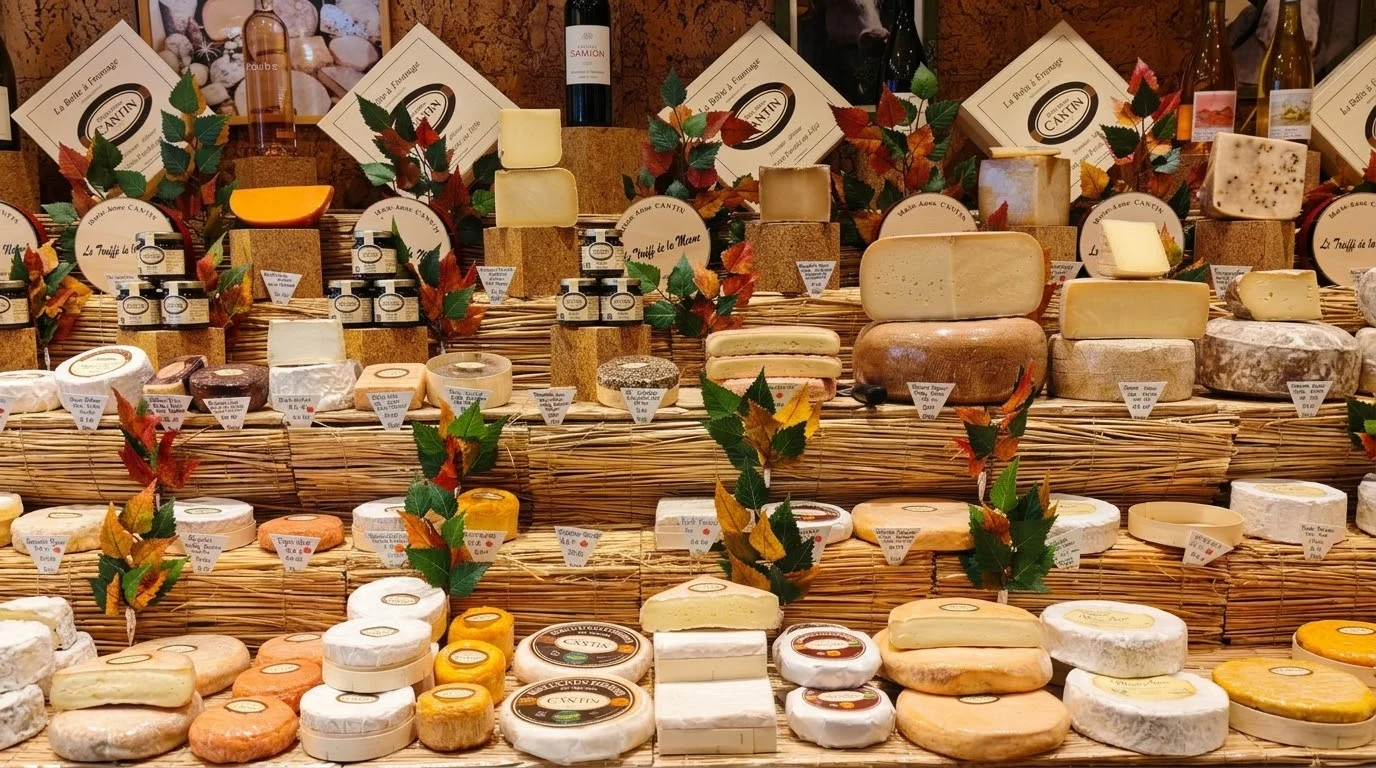
If French cheeses mean the world to you, read the guide to French cheeses before your visit , so you know what to ask for beyond Camembert.
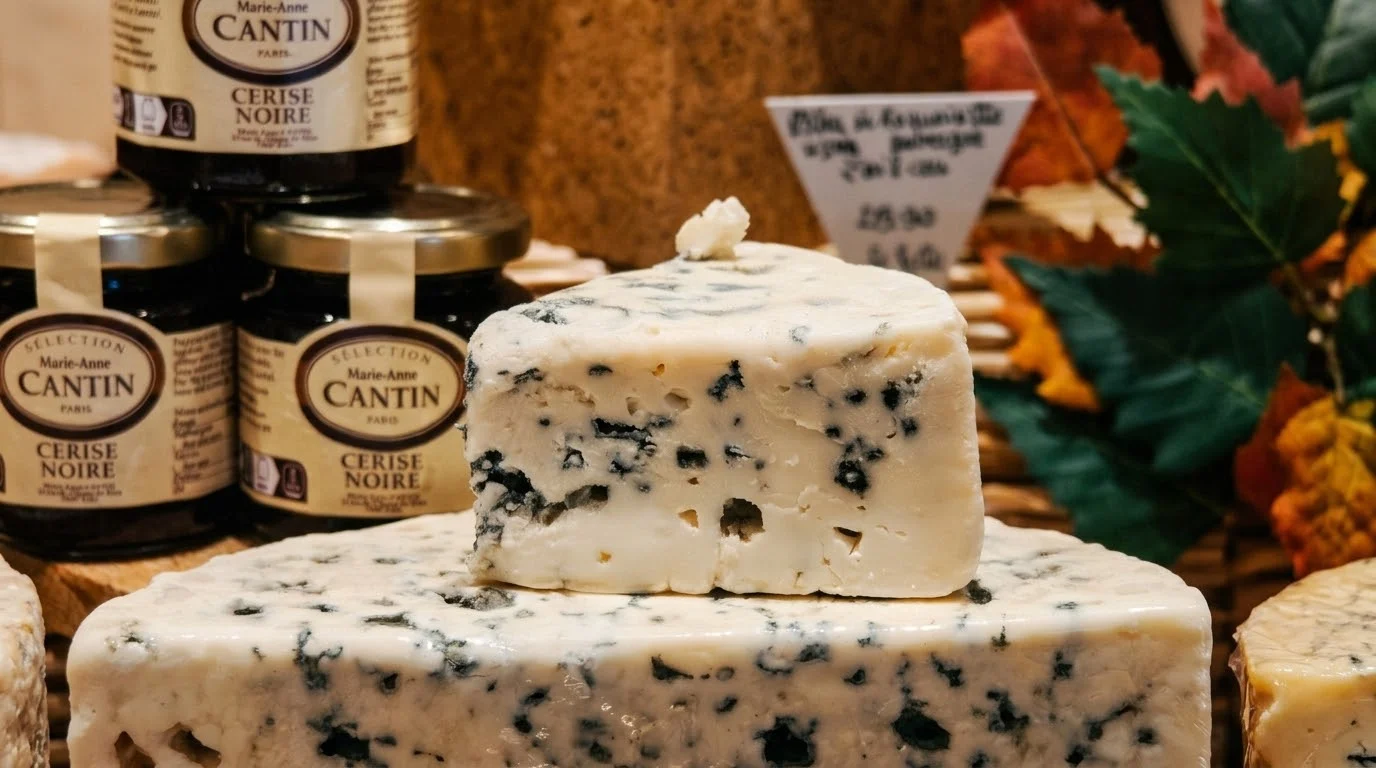
12 Rue du Champ-de-Mars . Open Tuesday to Saturday 08:30–19:30 and Sunday 10:00–13:00, closed on Monday. Phone: 01 45 50 43 94. For the Promezerie website
Café du Marché: The street terrace
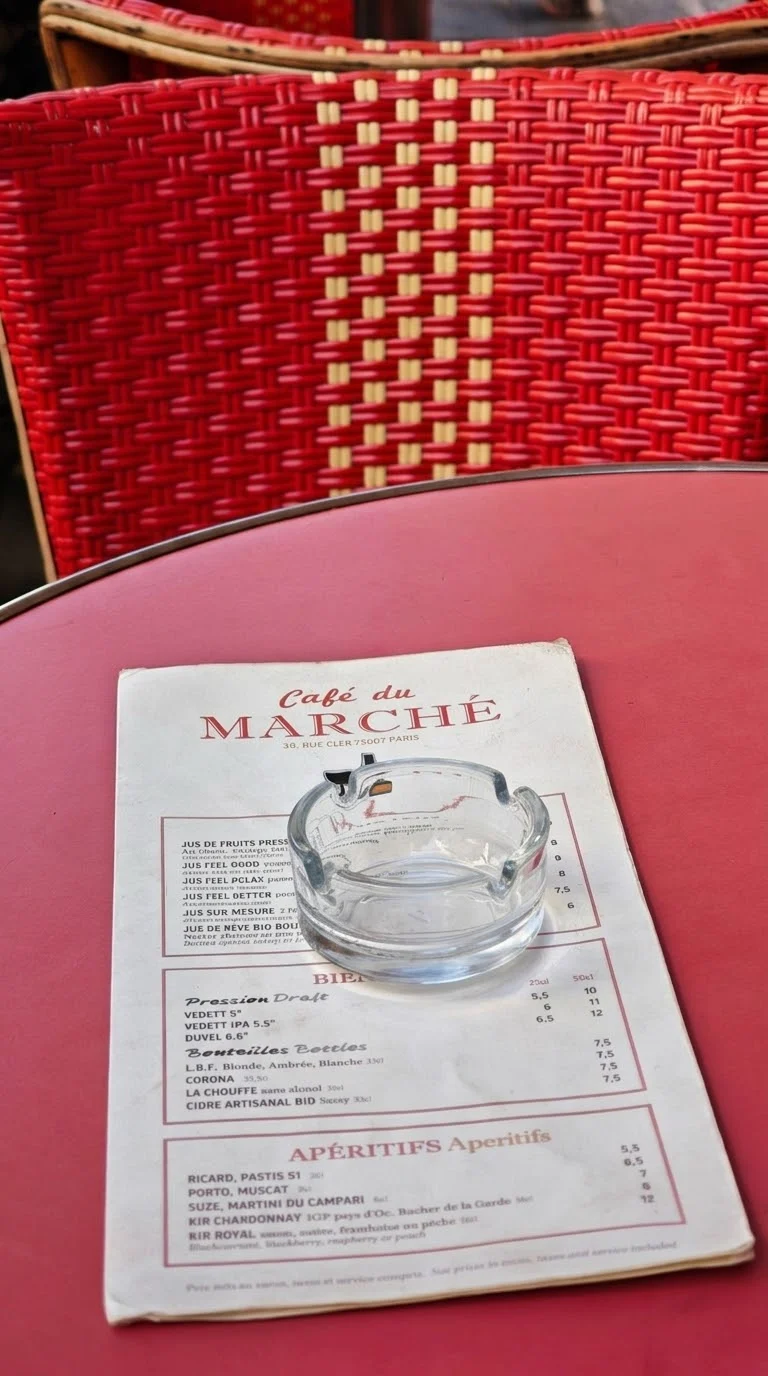
Back on Rue Cler, at number 38, sits Café du Marché, a café with a terrace facing the intersection. It's the place for a morning coffee, a quick lunch or a glass of wine in the evening, and its hours allow for all three.
The menu is structured like any classic Parisian brasserie, with the dish of the day, and the crowd is mixed: neighborhood residents at the regular tables and tourists who stop in mid-shopping.
38 Rue Cler . Open every day 07:00–01:00. Phone: 01 47 05 51 27. For the menu of Café du Marché
Davoli: The Italian Deli Since 1913
A few houses north, at number 34, is the delicatessen Davoli. The business was founded in 1913 by Francesco Cella, a butcher from Piacenza in Emilia-Romagna, and his first shop was on Rue de Passy. The delicatessen only arrived on Rue Cler in 1962, and has been one of the street's permanent addresses ever since.
In the 1930s, Davoli was voted the best Italian store in Paris, and some of the suppliers have remained from that period: the cold cuts and Parma ham have come from the same producers for decades. Alongside the charcuterie, there are ready-made dishes like lasagna, arancini and risotto, which you can take for a picnic on the Champs-de-Mars or for dinner in your apartment.
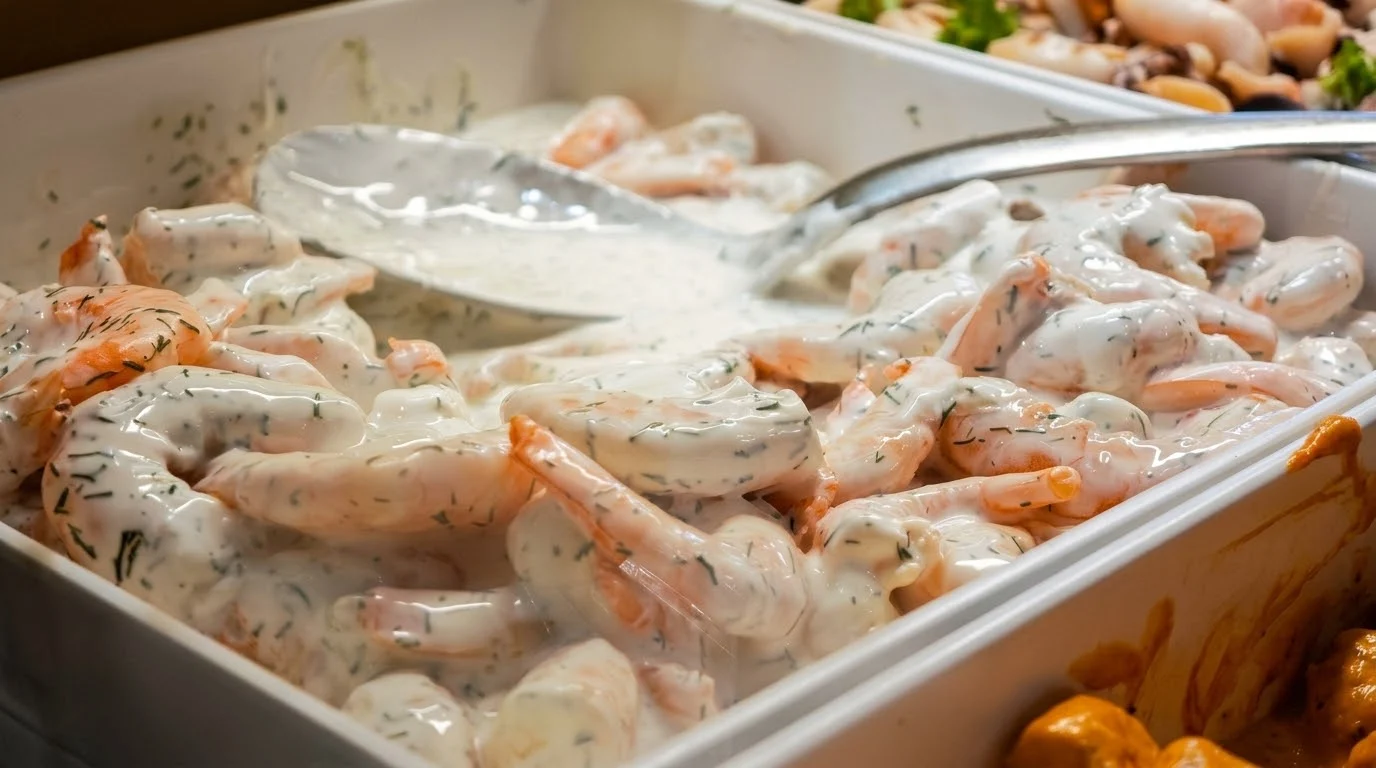
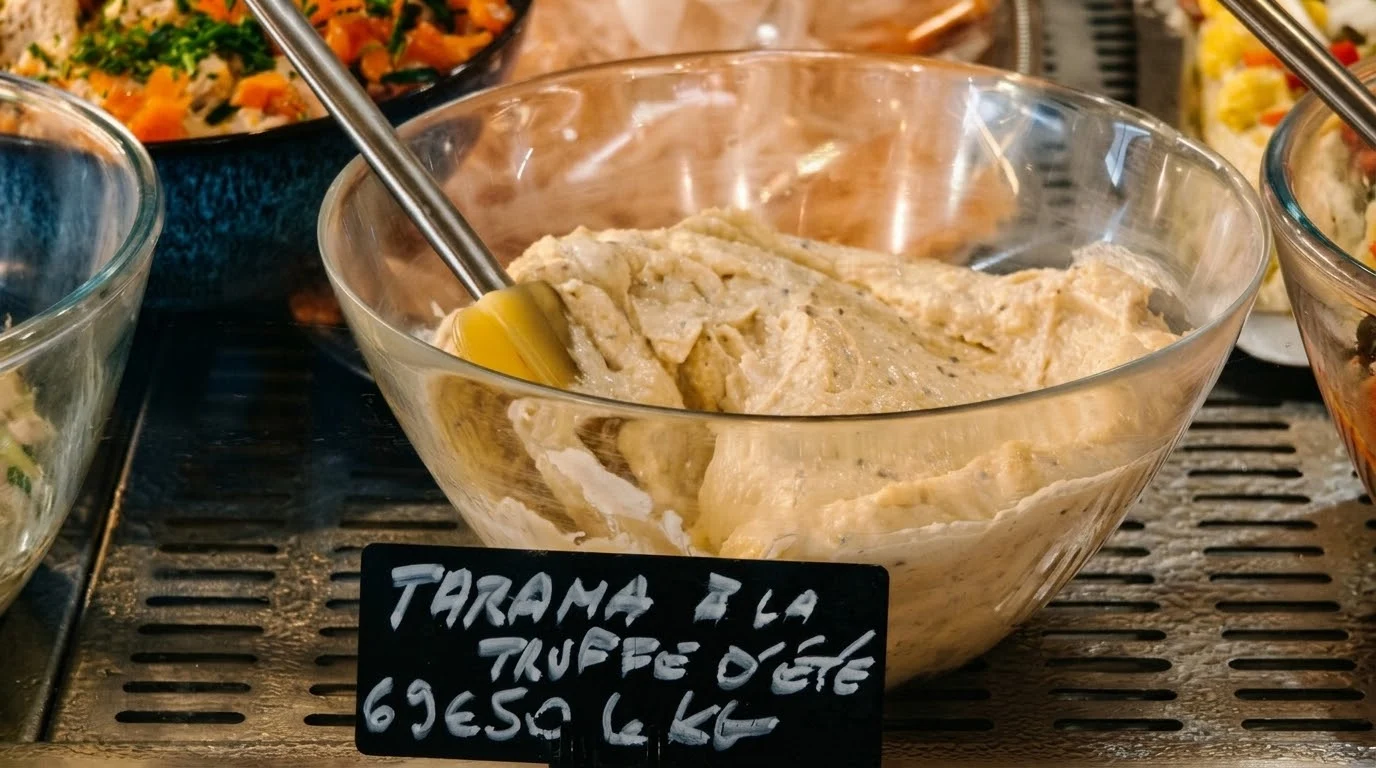
I bought shrimp in a cream and dill sauce and tarama with summer truffle (tarama à la truffe d'été) here for a corrupt breakfast in the apartment, and both were really delicious (tarama costs €69.50 per kilo, so this corruption is not cheap).
34 Rue Cler . Open Tuesday to Sunday, closed Monday. Davoli website
Jeusselin: Family-owned charcuterie since 1937
Right across from Davoli, at number 37, is Jeusselin, a family-run charcutier-traiteur that has been operating on Rue Cler since 1937. The place was founded by Francis, from whom it was passed on to Jean, and today it is run by Bruno Jeusselin, the third generation of the family.
According to the family, it is one of the last shops in Paris to make everything they sell on site. The flagship of the house is homemade foie gras, salmon slowly smoked over beech wood, jambon blanc and terrines, along with ready-made dishes such as pâté en croûte, navarin d'agneau, pot-au-feu and couscous on weekends, by reservation.
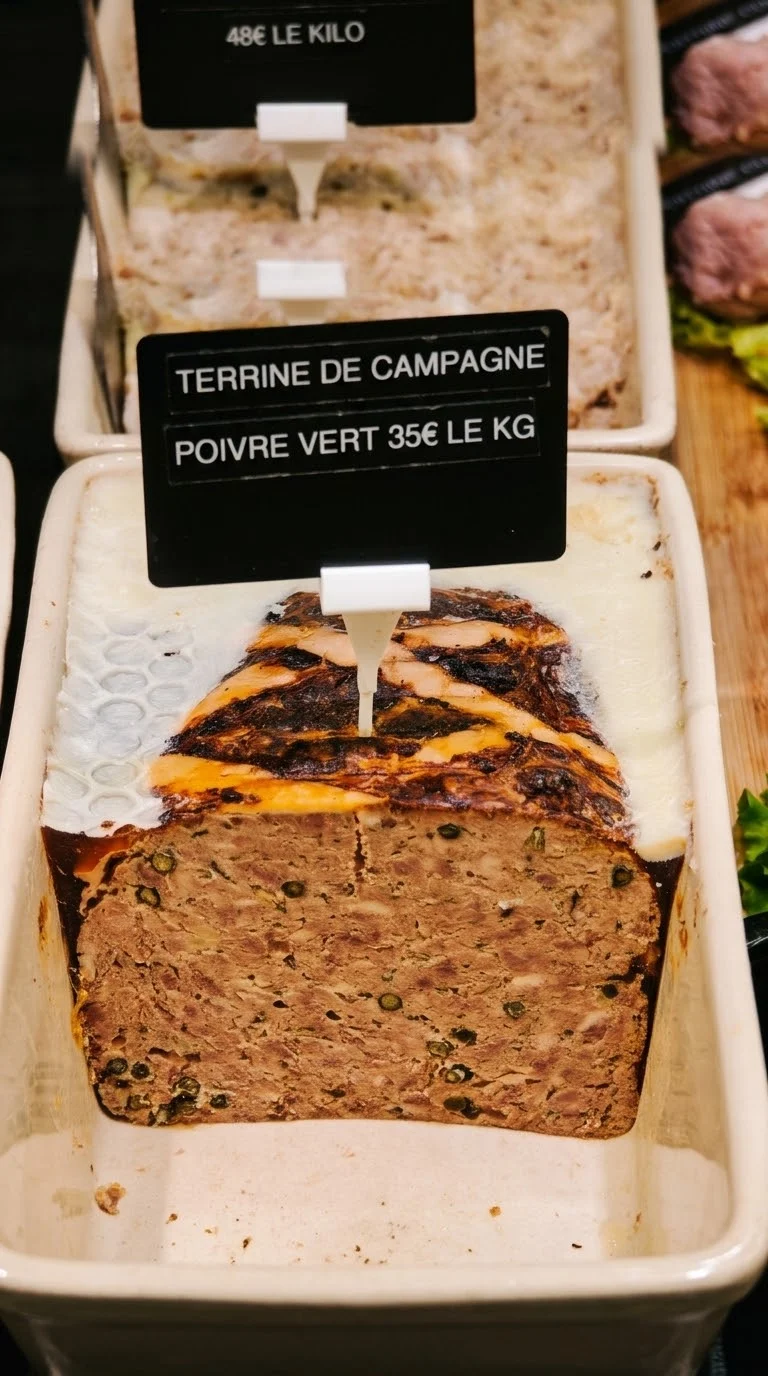
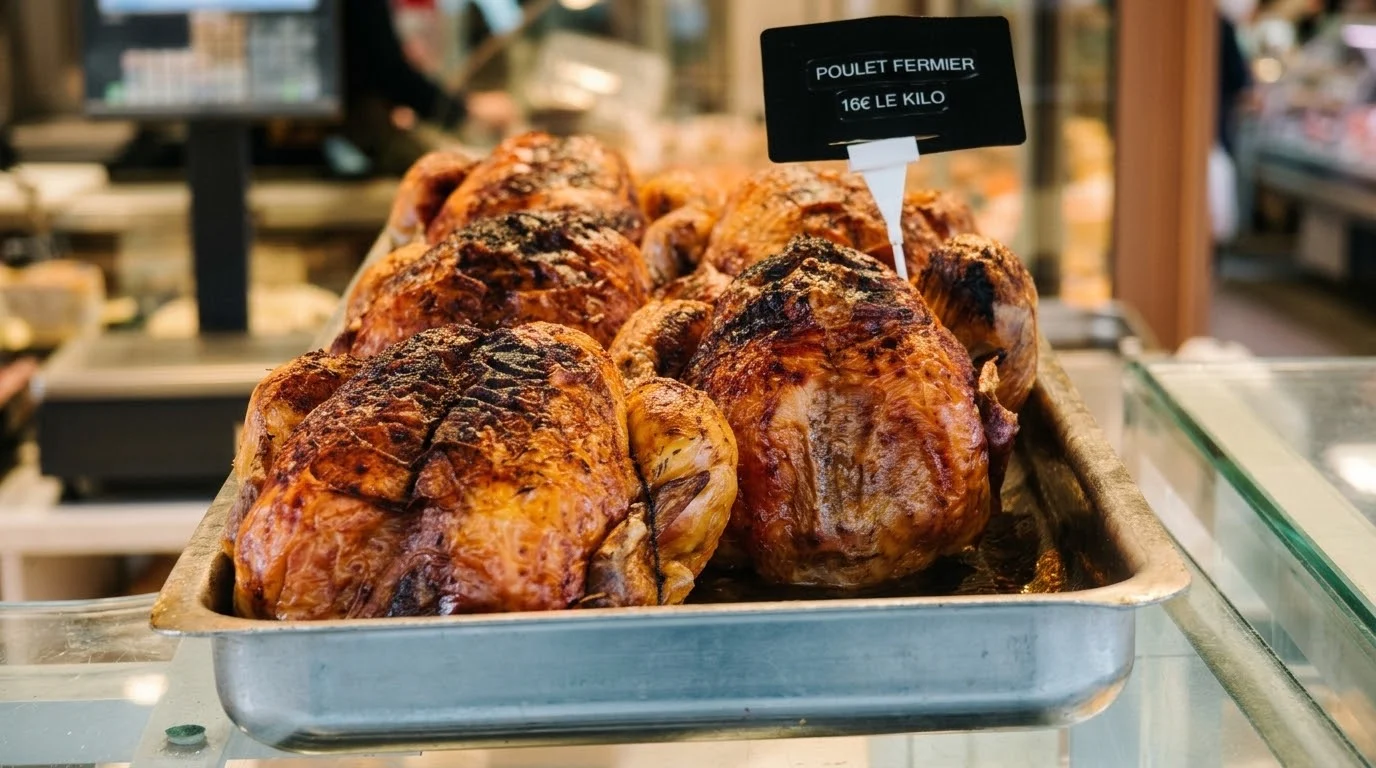
In the window I saw roasted free-range chicken (poulet fermier) for €16 per kilo, and terrine de campagne with green pepper (terrine de campagne au poivre vert) for €35 per kilo. If you're planning a picnic on the Champs-de-Mars, this is a great stop, and if you can't decide between Jeusselin and Davoli, you can just cross the street and shop at both.
37 Rue Cler . Open Monday and Wednesday to Saturday 09:00–15:00 and 16:00–19:30, Sunday 09:00–13:00, closed Tuesday. Phone: 01 45 51 22 74. Jeusselin's website
Little Davoli: Italian lunch opposite the deli
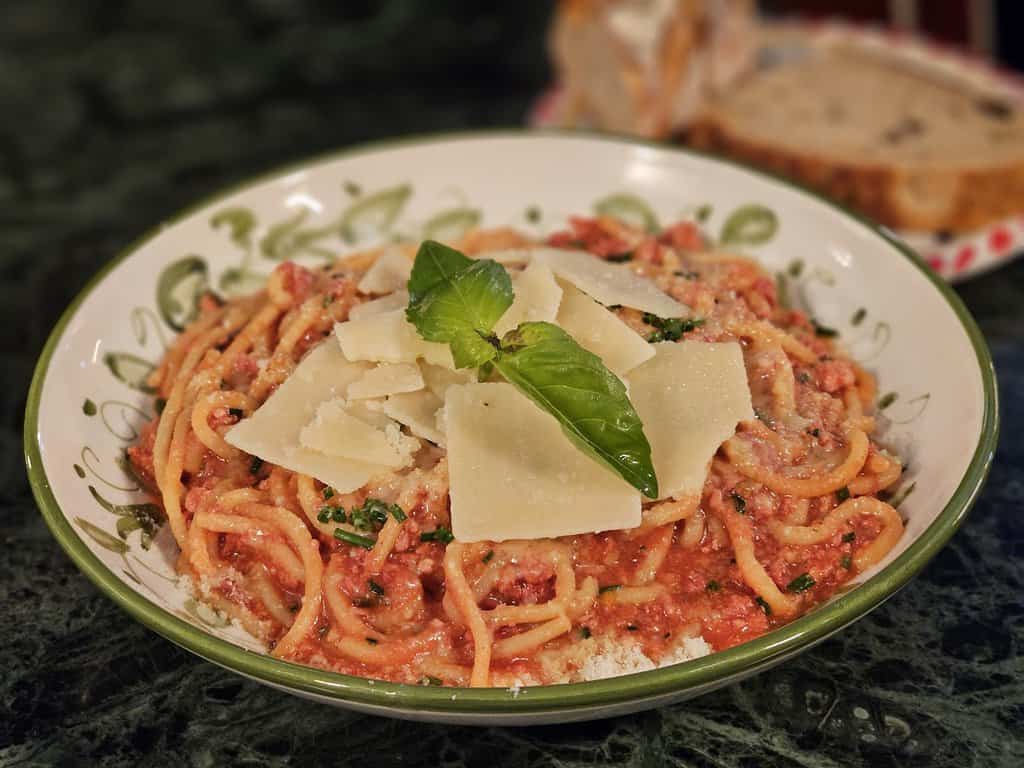
Across from the deli, at number 41, Davoli has opened Little Davoli, an Italian café and restaurant that serves what is sold in the shop across the street: Italian charcuterie, cheeses, antipasti and fresh pasta. The lasagna and tiramisu here are excellent.
There is a large terrace on the street, and this is one of the most convenient places for a meal near the Eiffel Tower, especially if you feel like sitting down in the middle of the route.
41 Rue Cler . Phone: 01 45 51 23 41. To the restaurant website
À la Mère de Famille and Stohrer: Two institutions under one roof
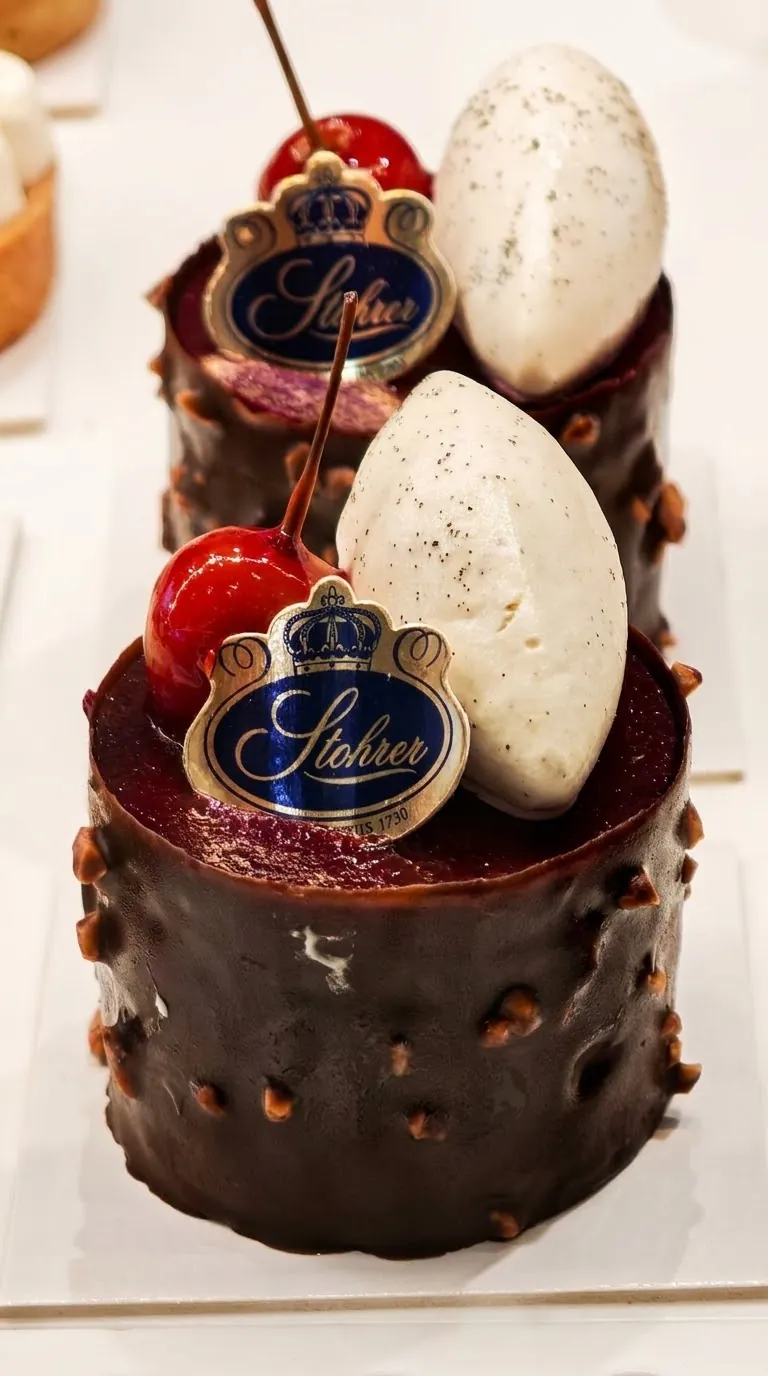
Directly opposite, at number 35, two Parisian legends share a shop. À la Mère de Famille, the oldest chocolatier in Paris, operating since 1761, was born on Rue du Faubourg-Montmartre, and Stohrer , the city's oldest patisserie, was born on Rue Montorgueil . The Rue Cler store is where they first came together.
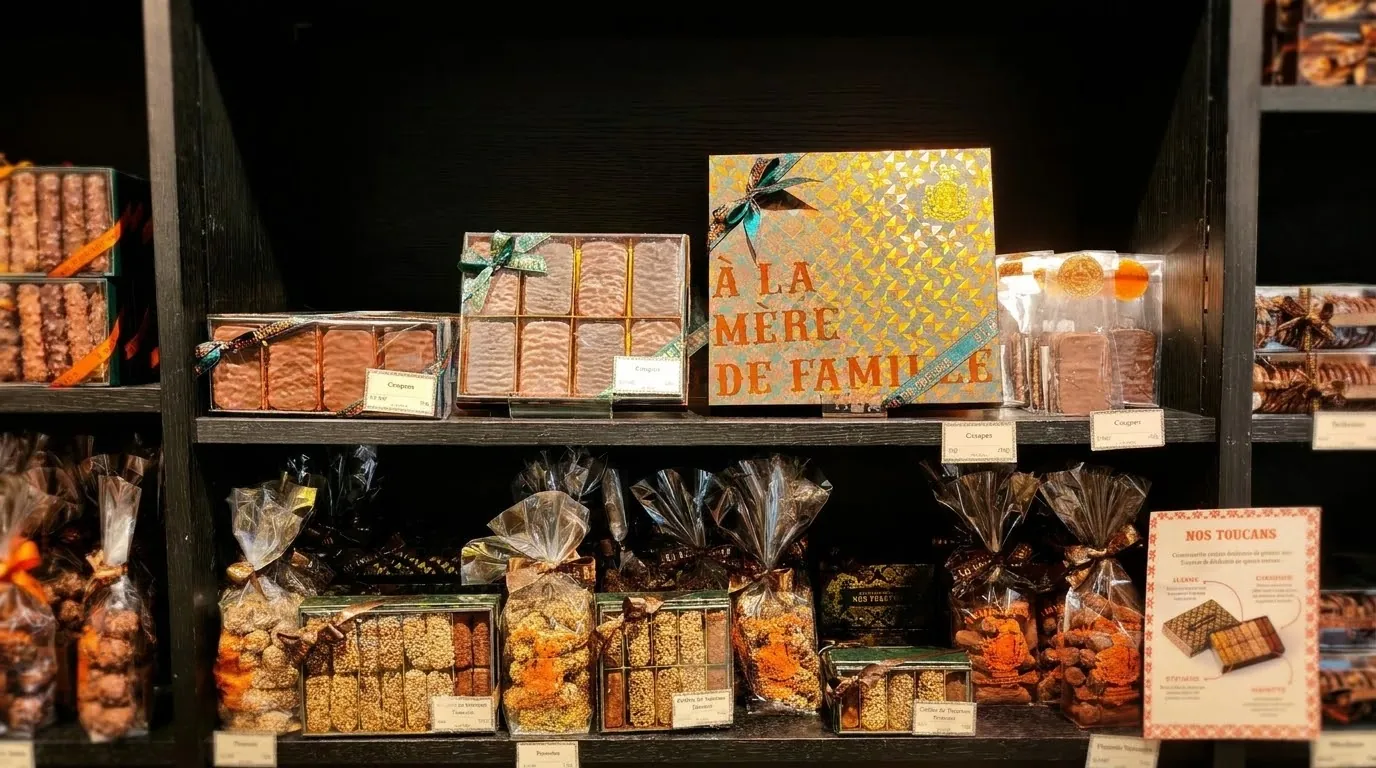
On the shelves you will find À la Mère de Famille's chocolates, candies, and jams alongside a selection of Stohrer's cakes and pastries, so you can buy both dessert and a souvenir for Israel here.
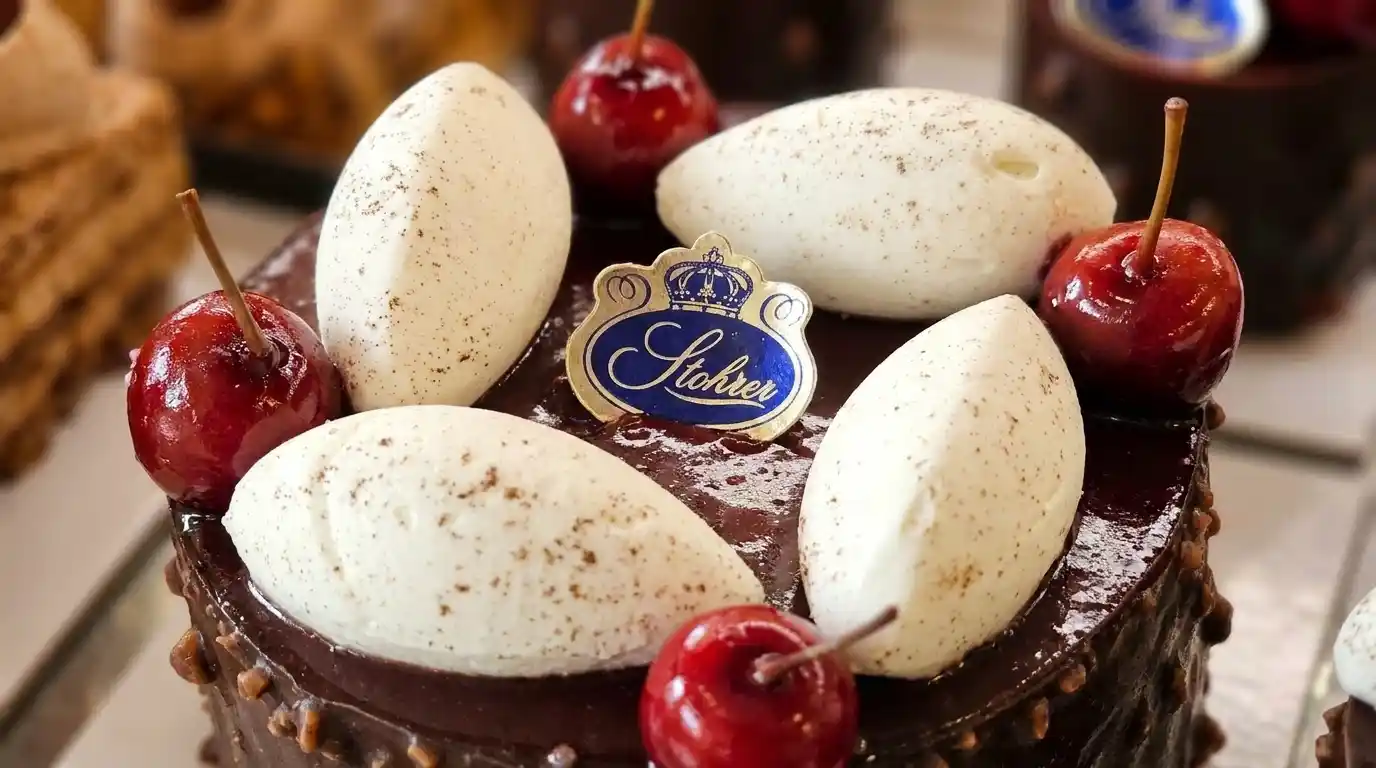
35 Rue Cler . Open Monday to Saturday 09:30–20:00 and Sunday 09:30–19:30. Phone: 01 45 55 29 74. To the store page
La Sablaise: fish in a former horse butcher shop
A few steps north, at number 28, look at the facade and not just the shop window. Between 1925 and 1930, a horse meat butchery (boucherie chevaline) opened here, and the facade with its ornate cast iron grille and white porcelain tiled interior walls have survived ever since. In 1984, the facade and interior decoration were declared a protected heritage site (monument historique), so the appearance of the shop cannot be changed (yes, the French Ministry of Culture also protects butcheries). In 1987, the place became a patisserie, and by 2013 it was already selling Greek delicacies. Today, La Sablaise, a fish and seafood shop, operates here.
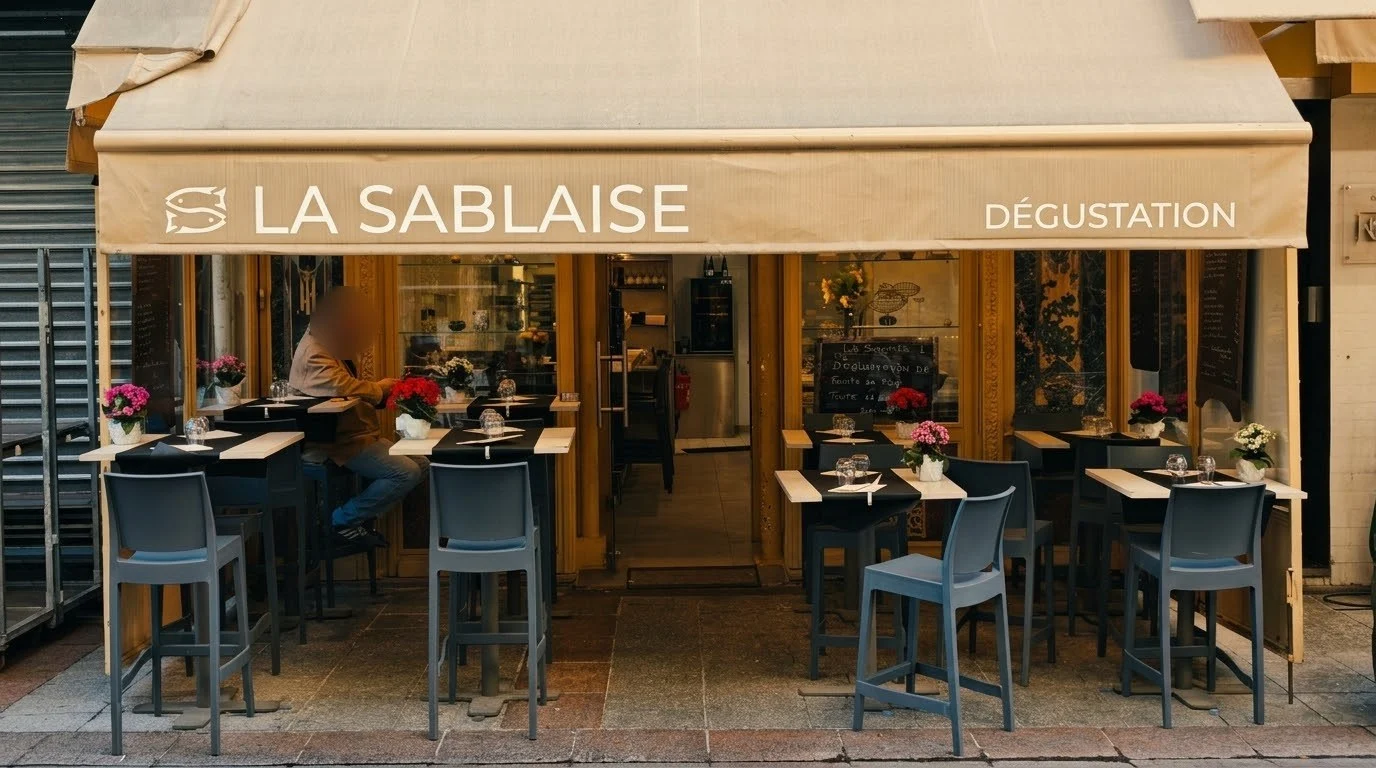
La Sablaise is a fish and seafood shop that Gault&Millau describes as “a beautiful fishmonger with fresh produce that arrives regularly.” The name is a nickname for a resident of Les Sables-d’Olonne, a port town on the Atlantic coast. On ice, you’ll find whole fish and fillets, oysters and Breton lobster, alongside prepared dishes like octopus salad, paella and sea bass fillet with fennel.
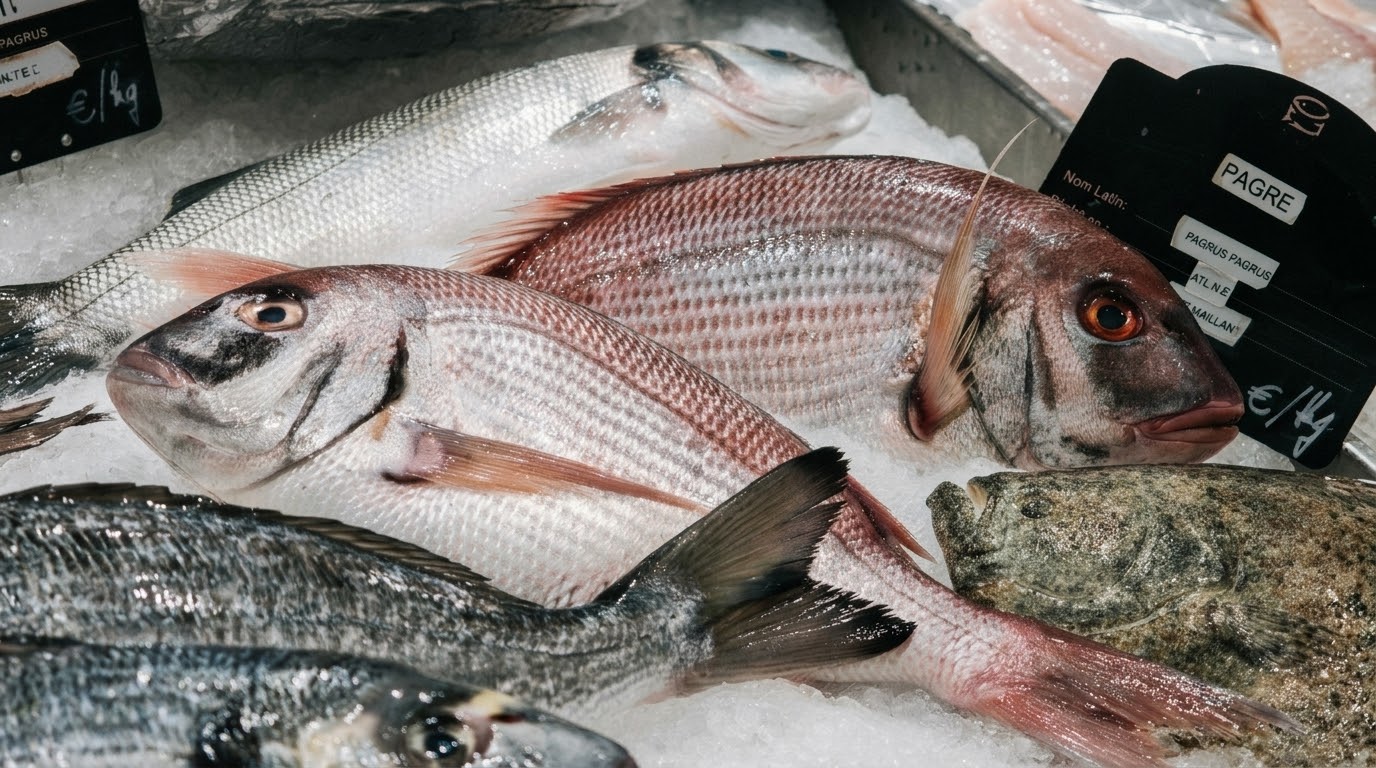
Adjacent to the store is a tasting area with a few tables on the sidewalk, where you can eat what the store sells: Gillardeau oysters, seafood platters with ingredients of your choice, and daily specials like tuna belly with ratatouille or haddock fillet with mashed potatoes. If you fancy a fish lunch in the middle of the trail, this is the place.
28 Rue Cler . The store is open Tuesday to Saturday 08:00–19:30 and Sunday 08:00–13:00, closed on Monday. Phone: 01 45 51 61 78. La Sablaise's Instagram
Mon Petit Poulet: Roasted Chicken from Opposite
Right across the street, at number 31, is Mon Petit Poulet, a small rotisserie that roasts free-range chicken with the Label Rouge quality mark, meaning chicken raised in open areas on natural, non-GMO food. Alongside the chicken, there is also grilled meat and cooked dishes that change every day, and you can take it home or sit at one of the few tables on the sidewalk.
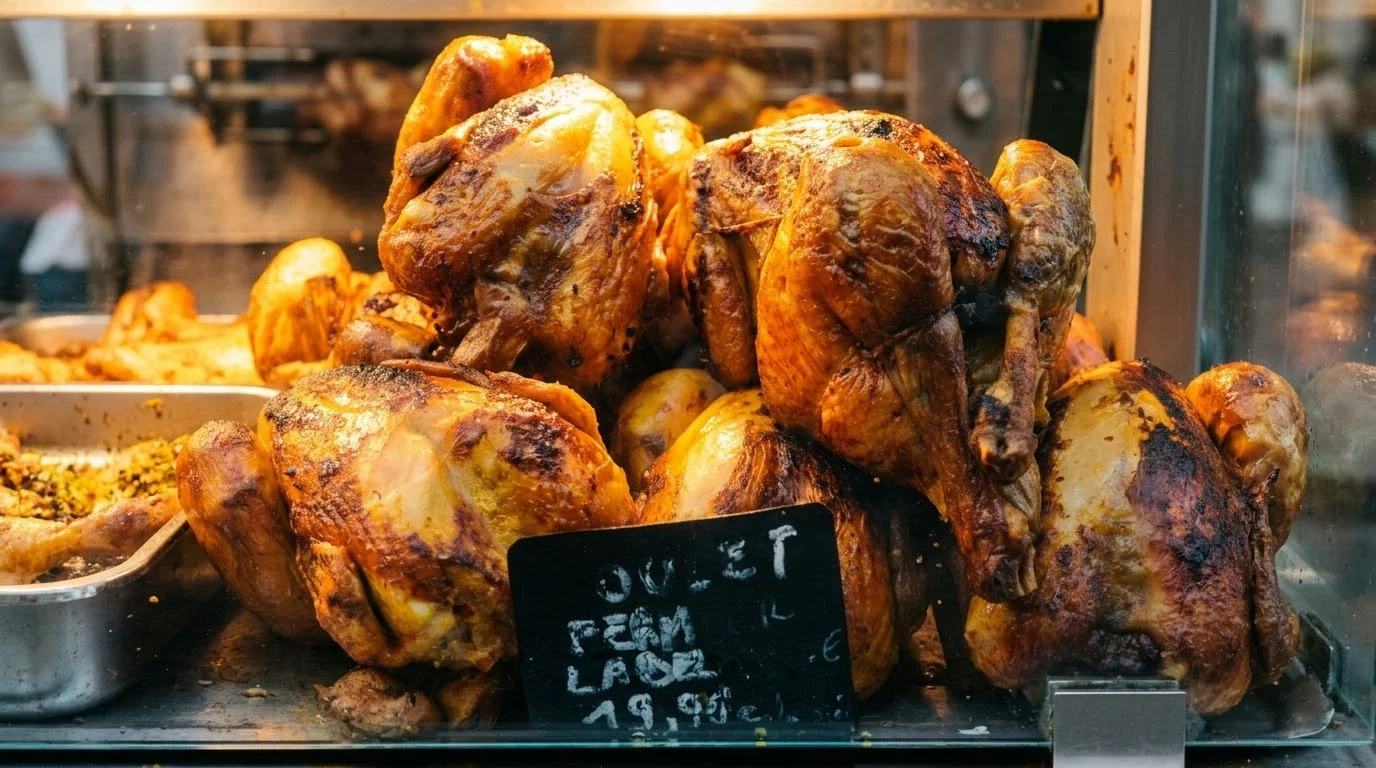
This is one of three Mon Petit Poulet rotisserie in Paris, and the chickens in its display case looked very tasty to me (and if you're planning a picnic on the Champs de Mars, a whole chicken solves the whole thing).
31 Rue Cler . Phone for reservations: 07 56 94 50 10. To the Mon Petit Poulet website
Matthieu Pauline: The new patisserie on the street
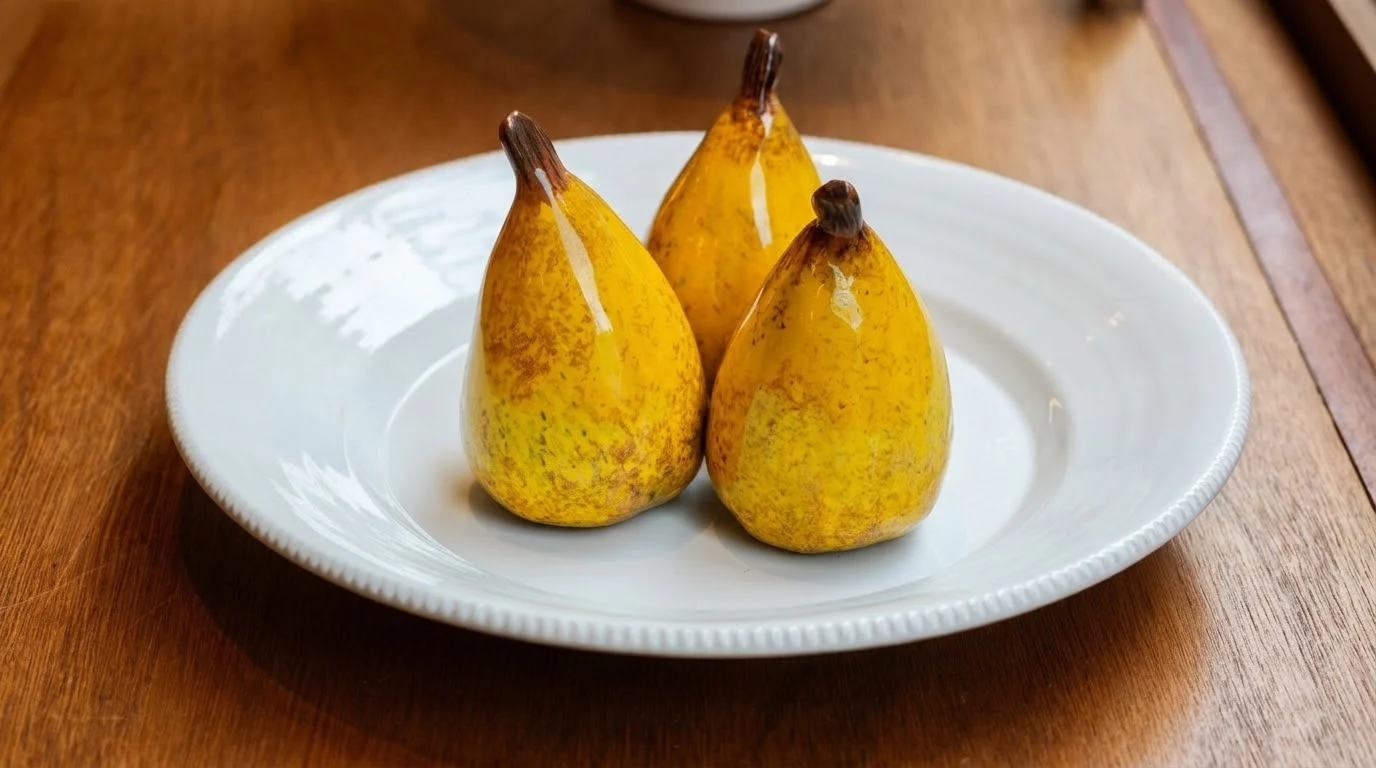
Back on the couple’s side of the street, at number 24, Matthieu Pauline, the patisserie of Pauline Zerouali and Matthieu Turin, opened in March 2025. Both had previously worked in the kitchens of the Georges V and Ritz hotels and Joël Robuchon (1945–2018), and for ten years ran a luxury catering company before finally opening their own shop.
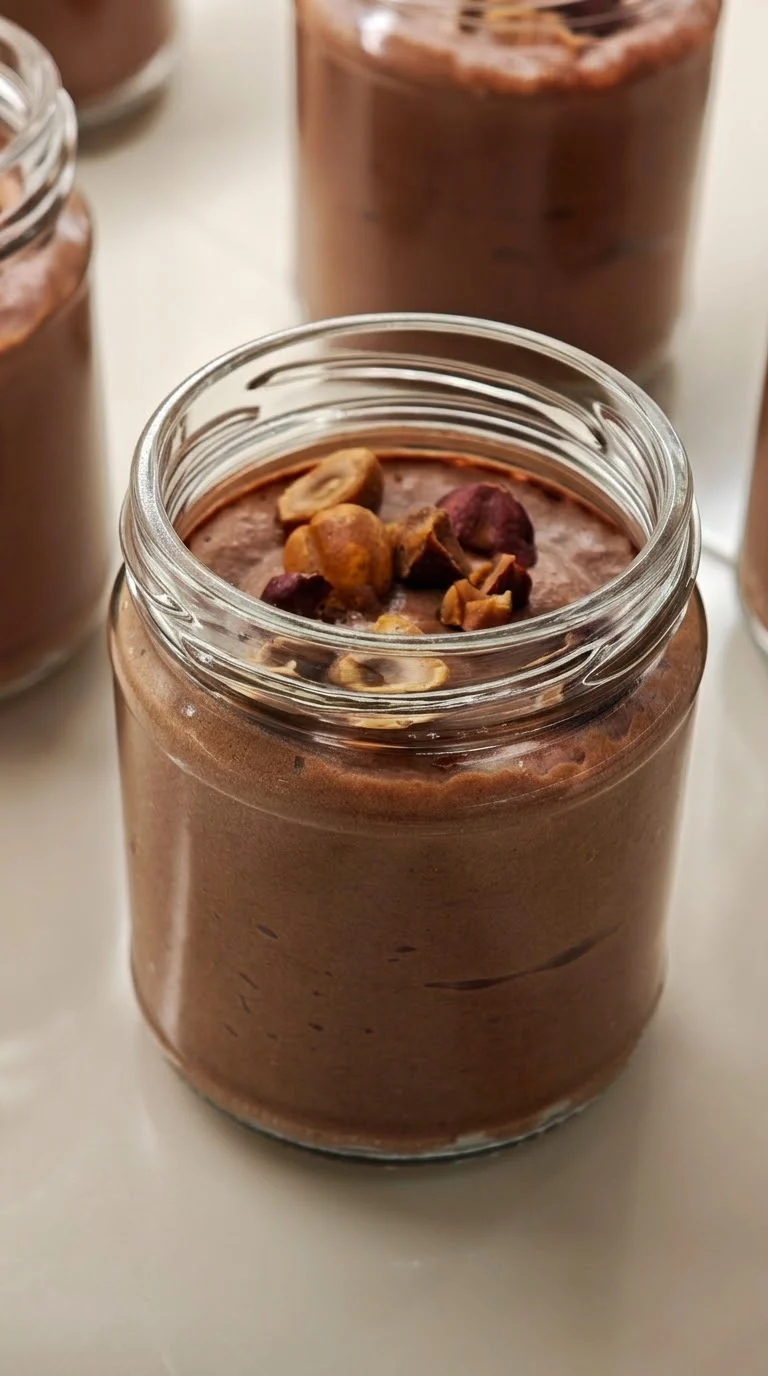
The line here is pastries and desserts that rely on French classics, with seasonal ingredients, and a morning spent here at the bakery is a good start to any day in the neighborhood. I can't say no to chocolate mousse, so I didn't leave here without the chocolate mousse with roasted hazelnuts, which is sold in a glass jar.
24 Rue Cler . Phone: 01 42 73 18 92. To Matthieu Pauline's website
The northern section and the church of the Gro-Cayo
After Matthieu Pauline you cross Rue de Grenelle, and the pedestrian zone ends. The section from here to Rue Saint-Dominique is the oldest part of the street, the one that opened in 1738 and was then called Rue Neuve-de-l'Église, meaning "New Church Street." The church for which the street is named stands at the end, right in front of you, at number 92 Rue Saint-Dominique.
The current Saint-Pierre-du-Gros-Caillou church was built between 1822 and 1830, and has been protected as a heritage site since 1914. Under the floor of the church lie the remains of Jean-Sylvain Bailly (1736–1793), the first mayor of Paris, who was executed during the Revolution.
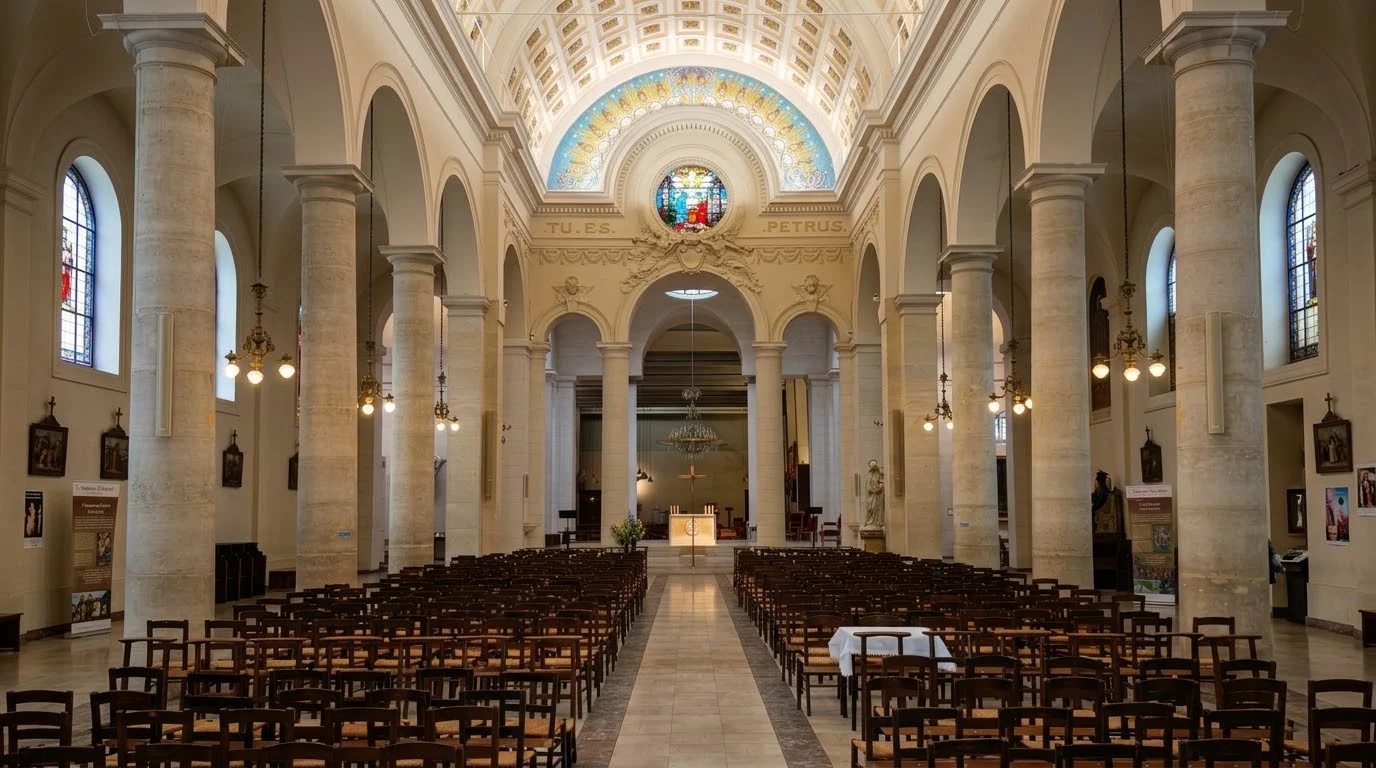
In this corner, according to tradition, also stood the large rock that gave the neighborhood its name. You will read its story below.
La Fontaine de Mars: The Fountain, the Bistro and the President
From the church, turn left on Rue Saint-Dominique and walk west, towards the Eiffel Tower. On this stretch, between the beginning of Rue Cler and the fountain, is also Udi's apartment on Rue Saint-Dominique, which I recommend in the accommodation section, so that those who live there can do the entire route without getting on the metro.
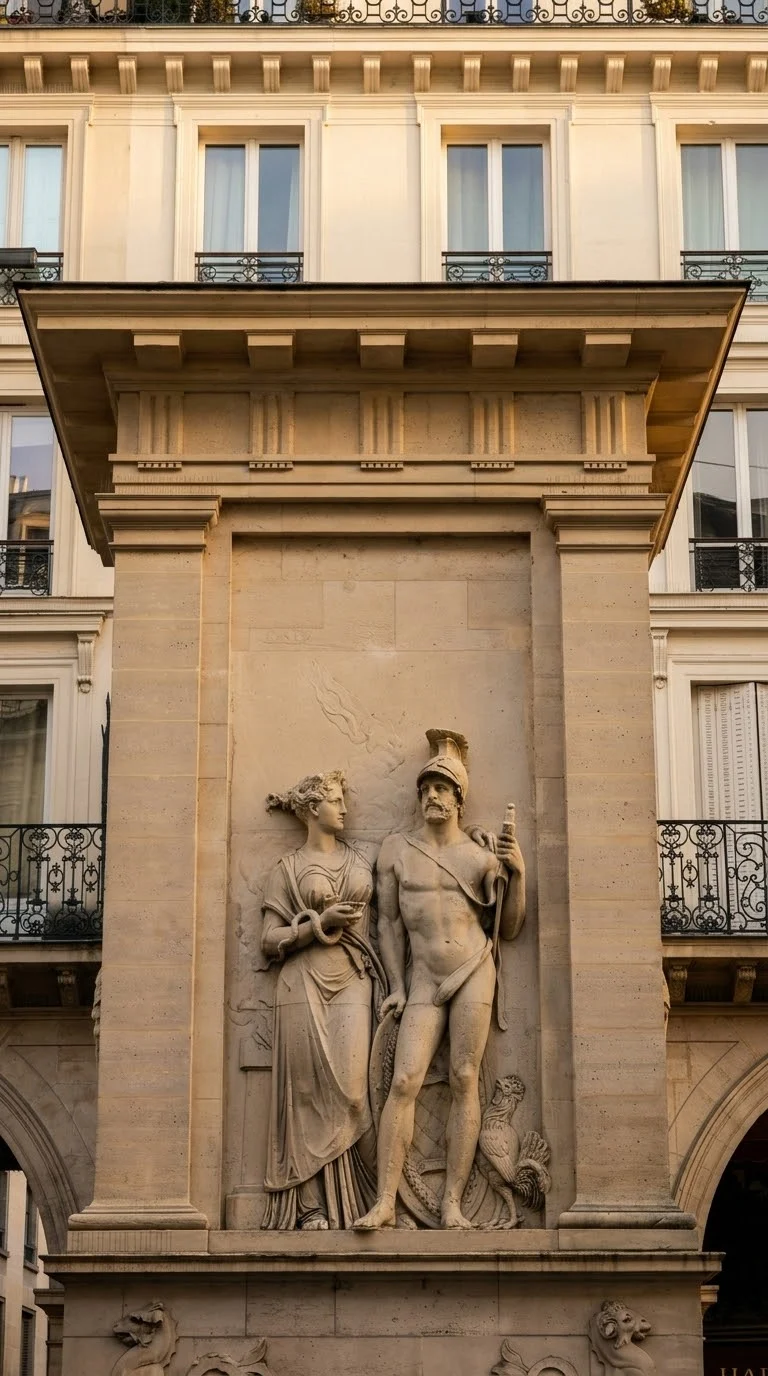
The Fontaine de Mars, at number 129, was built between 1806 and 1808, one of the fountains commissioned by Napoleon by decree of 1806. It stands in a small square surrounded by arches, and in the relief on its front, Hogue, the goddess of health, gives water to Mars, the god of war. The choice of this pair is not accidental: the fountain stood opposite the entrance to a military hospital.
Under the arches, the bistro La Fontaine de Mars, with its red-and-white checkered tablecloths and southwestern French cuisine: cassoulet, duck confit and foie gras, has been open since 1908. It has been owned by three families over the years, and since 1991 it has been run by the Boudon family.
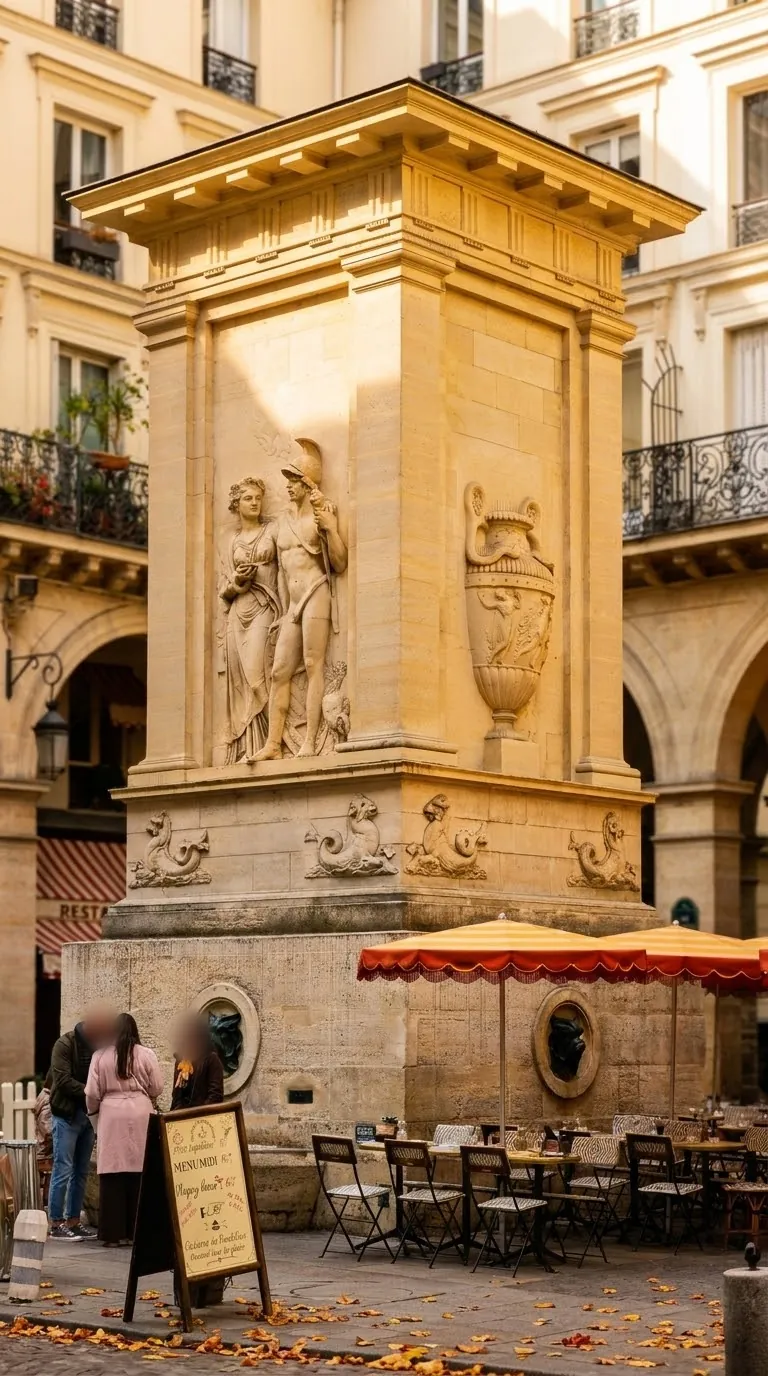
On June 6, 2009, the 65th anniversary of the Normandy landings, Barack Obama (born 1961) and Michelle Obama (born 1964) came here for dinner after the memorial services on the beaches of Normandy. They sat in one of the small dining rooms on the upper floor, and a sign near the entrance to the room commemorates the visit to this day. The president, by the way, ordered lamb gigot (gigot d'agneau) and floating island (île flottante).
129 Rue Saint-Dominique . Open every day for lunch and dinner. Phone: 01 47 05 46 44. For the restaurant website and to reserve a table
You can find additional restaurants in the area in the guide to restaurants near the Eiffel Tower and on the page of recommended restaurants in Paris.
The history of Rue Cler and the Gros-Caillou neighborhood
From the 14th Century to the Revolution: Through the Cows, the Rock, and the Church
Long before there was a street, there was a road. Rue Saint-Dominique, where the route ends, was for centuries a dirt road that crossed fields and vegetable gardens on the way from Paris to Issy. It changed names almost every generation: in 1355 it was called Chemin de la Longue Raye, in 1433 the “Vine Road” (Chemin des Treilles), and around 1542 it was simply called “Cow Road” (Chemin aux Vaches). The lands on either side of it belonged to two large monasteries, the Abbey of Saint-Germain-des-Prés and the Abbey of Sainte-Geneviève.
In 1631, Dominican monks settled at the eastern end of the road, and received permission from the Saint-Germain-des-Prés monastery to place marble slabs at both ends with the inscription “rue Saint-Dominique jadis des Vaches.” The cows, it seems, were not particularly bothered by having the street’s name taken from them…
By the end of the 17th century, almost no one lived here. The construction of the Invalides complex during the reign of Louis XIV attracted craftsmen and workers to the area, who settled along Rue Saint-Dominique and Rue de Grenelle. Thus was born a small village on the outskirts of the city, which took its name from a rock.
According to tradition, a huge rock stood at the corner of today’s Cler and Saint-Dominique streets, marking the border between the lands of the two monasteries. It was popularly called “the Big Stone” (le Gros Caillou), and the name spread to the entire neighborhood. There is a less ecclesiastical version, according to which the rock was actually used as a sign for a brothel, and the church was built exactly in its place (if this is true, history certainly has a sense of humor).
The villagers belonged to the parish of the Church of Saint-Sulpice , and the way there was long, so their own church was built for them. The cornerstone was laid in the 1730s, and in 1738 the street leading to it from Rue de Grenelle, the “New Church Street”, which is the northern section of today’s Rue Cler, was opened. At that time, according to tradition, the rock was blown up with explosives.
In 1759, a hospital for soldiers of the Gardes-Françaises, a regiment of the royal household guard, was established on Rue Saint-Dominique, between today's house numbers 106 and 114. The initiative was taken by the regiment's commander, the duc de Biron (Louis-Antoine de Gontaut-Biron, 1701–1788), and the king made up to 300,000 livres available to him for the purchase of the houses and grounds. In 1788, the hospital had 264 beds.
With the completion of the École militaire and the Champs de Mars around 1780, the village began to fill with houses along Rue Saint-Dominique and Rue de Grenelle. In the same decade, a steam pump (pompe à feu) was built on the banks of the Seine, which raised water from the river to the fountains of the neighborhood and the faubourg Saint-Germain.
The revolution closed the church. It was abolished in 1792, sold as national property in 1798 and demolished shortly afterwards, and the street named after it remained, for a while, a street leading nowhere.
From 1792 to 1858: Tobacco, a fountain and a new church
In the same year that the church closed, a tobacco factory opened in the neighborhood, on the banks of the Seine, that was to define its character for the next century. The factory grew rapidly after the Empire imposed a government monopoly on tobacco and became one of the symbols of the neighborhood.
In 1806, Napoleon issued a decree for the construction of new fountains in Paris, and one of them was built between 1806 and 1808 in front of the entrance to the military hospital on Rue Saint-Dominique. The plan was drawn up by the engineer François-Jean Bralle (1750–1832), and the reliefs were sculpted by Pierre-Nicolas Beauvallet (1750–1818). Because of the proximity to the hospital, an unusual theme was chosen for the fountain: Hogue, the goddess of health, watering Mars, the god of war.
The fountain received its water from the steam pump of the Gros-Cailloux, and was therefore initially called the “Fountain of the Gros-Cailloux”. It received its current name from the nearby Champ de Mars. In 1822 the cornerstone of a new church was laid to replace the one that had been demolished, and it was completed in 1830. Thus “Church Street” once again had a church at its end.
On August 9, 1826, the southern section of the street, from Rue de Grenelle to today's Avenue de La Motte-Picquet, was approved by royal decree. This is the section where most of the shops are located today, and is almost 90 years younger than the northern section.
On August 31, 1838, Rue Saint-Dominique was finally unified. Until then, it had been divided into two separate streets on either side of the Esplanade of the Invalides, Rue Saint-Dominique-Saint-Germain on one side and Rue Saint-Dominique-au-Gros-Caillou on the other, each with its own house numbering.

In the 1850s, Baron Haussmann's (Georges-Eugène Haussmann, 1809–1891) renovation plans also arrived here. The Pont de l'Alma and two new avenues, Avenue Rapp and Avenue Bosquet, connected the Gros-Caillou to the rest of the city, and Avenue Bosquet, opened in 1858, swallowed up a small street that ran alongside the hospital.
That same year, the steam pump, which had never been particularly profitable, was finally abandoned due to the poor quality of the water (the goddess of health, one might assume, was not impressed). The fountain itself was then surrounded by the small, arched square that still stands today.
June 4, 1859: The general who gave the street its name
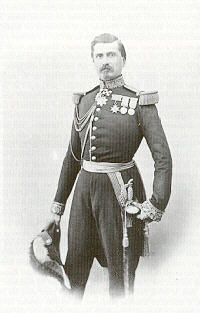
A year after the pump closed, on a battlefield in northern Italy, the man for whom Rue Cler is now named was killed. Jean Joseph Gustave Cler (1814–1859) was born in Salins-les-Bains, the son of a senior official in the town's salt factory, and studied at the Saint-Cyr military school.
His career began as a mapmaker in Perpignan, but in 1841, after being stationed in Paris, he requested to be sent to Africa. There he commanded a company, and in his spare time he conducted archaeological excavations around Carthage, donating the findings to the museum of his hometown. By 1853 he was already commander of the 2nd Zouave Regiment (2e régiment de zouaves).
He distinguished himself twice in the Crimean War. At the Battle of Alma, on September 20, 1854, he led the capture of the telegraph tower on the hill, and at the Siege of Malakoff, on September 8, 1855, he replaced a wounded general. On December 29, 1855, he returned to Paris in a triumphal procession, already with the rank of general.
In 1859, France, under the command of Napoleon III, went to war with Austria on the side of the Kingdom of Sardinia, and Keller commanded a brigade of the Imperial Guard that included the Zouaves and the Grenadiers. On June 4, the brigade reached the Ponte Nuovo bridge over the Naviglio Grande canal, near the town of Magenta. After several unsuccessful assaults, in one of the next assaults, at the head of his troops and with a drawn bayonet, Keller was mortally wounded. He was 44 years old.
According to the story, his body was found only three hours later, when the battle was already over, without the sword, without the epaulettes and without the decorations. Thanks to the intervention of Napoleon III, the body was returned to Salen-les-Bains in September 1859, and the city held an official funeral for him. The battle itself ended in a French victory, and, incidentally, the color magenta is also named after him.
Five years later, Paris remembered him. By decree of August 24, 1864, the “Church Street” of the Gros-Cailloux, which had meanwhile lost the “new” in its name, was given the name Rue Cler.
From 1867 to the Present: Exhibitions, Horses, and Presidents
From 1867, the Champs de Mars became the scene of the World's Fairs, and the neighborhood adjacent to it was filled with visitors. The street in front of the Mars Fountain is still called Rue de l'Exposition, after the 1867 Fair, and the 1889 Fair left behind the Eiffel Tower.
During those years, the tobacco factory reached its peak. In 1870, it employed almost 2,000 workers, most of them women, and it supplied about a third of France’s cigarette and cigar consumption. Alongside it, metal and construction factories operated in the neighborhood, and many women also worked here sewing clothes and shirts. The military hospital, which by now was called the “Military Hospital of the Gros-Cailloux,” closed in 1892 when it was already outdated, and was demolished in the 1890s. New streets were paved on its site and stone buildings in the Haussmann style were built. The Mars Fountain, which was adjacent to it, remained.
In 1905, the tobacco factory closed, and three years later, in 1908, the bistro La Fontaine de Mars opened opposite the fountain. Between 1925 and 1930, a horse meat butcher shop opened at 28 Rue Cler, and in 1962, the Italian delicatessen Davoli arrived on the street, becoming one of the addresses most associated with it.
In 1984, the facade and interior decoration of the butcher shop were declared a protected heritage site, three years before the shop became a patisserie. In 1991, the bistro La Fontaine de Mars passed into the hands of the Boudon family, who still run it today. In recent decades, Rue Cler has also become a sought-after address for those who run France. François Bayrou (born 1951), who later served as prime minister, lived at number 20 since 1997, and Emmanuel Macron (born 1977) lived in a rented apartment at number 15 until 2017, the year he was elected president.
Accommodation near Rue Cler: Audi Apartments and hotels in the neighborhood
Most visitors come to Rue Cler for a few hours, but the neighborhood is particularly convenient as a base for a few days: the Eiffel Tower and Les Invalides are within walking distance, metro line 8 passes here, and below the house the bakery, the promejeri, and the delicatessen await.
Audi's apartments near Rue Cler
During this visit, I am staying in a new apartment by Audi from EDLA Paris on Rue du Gros-Caillou, a few minutes walk from Rue Cler. I am the first to live there, so it does not yet have a booking page (as soon as it is up, I will add a link here). In the meantime, I recommend two other apartments by Audi, on Rue Saint-Dominique and Rue de Grenelle, both of which are really close to my apartment and Rue Cler. You can find more of his apartments on my recommended apartments page.
-

The apartment on Rue Saint-Dominique
An apartment on Rue Saint-Dominique, on the stretch between Rue Cler and the Mars Fountain, so the entire route in the article is done on foot. It was renovated from the ground up according to an architect's plan, and has a separate bedroom with a king bed and another king bed in the living room. Each of the rooms has air conditioning and a smart TV, the kitchen is fully equipped, and for Shabbat observant people there is a Shabbat grill and Shabbat kettle. The reservation is for a minimum of 3 nights, and the price starts at 270 euros per night.
Nearest metro station: La Tour-Maubourg (line 8)
- Balcony, elevator and 2nd floor
- Champ de Mars and Eiffel Tower within walking distance
- Air conditioning in every space, grill and Shabbat kettle
- Facing the street side
- One bedroom only
-

The apartment on Rue de Grenelle
Apartment on Rue de Grenelle in the 7th arrondissement, within walking distance of Champs-de-Mars and the Eiffel Tower. It has a separate bedroom and an extra bed in the living room, a balcony, an elevator and air conditioning. The kitchen has a Shabbat frying pan and a Shabbat kettle, making it a convenient option for Shabbat-observants.
Nearest metro station: École Militaire (line 8)
- Balcony and elevator
- Champ de Mars and Eiffel Tower within walking distance
- Shabbat frying pan and kettle
- Facing the street side
- One bedroom only
Hotels near Rue Cler
-
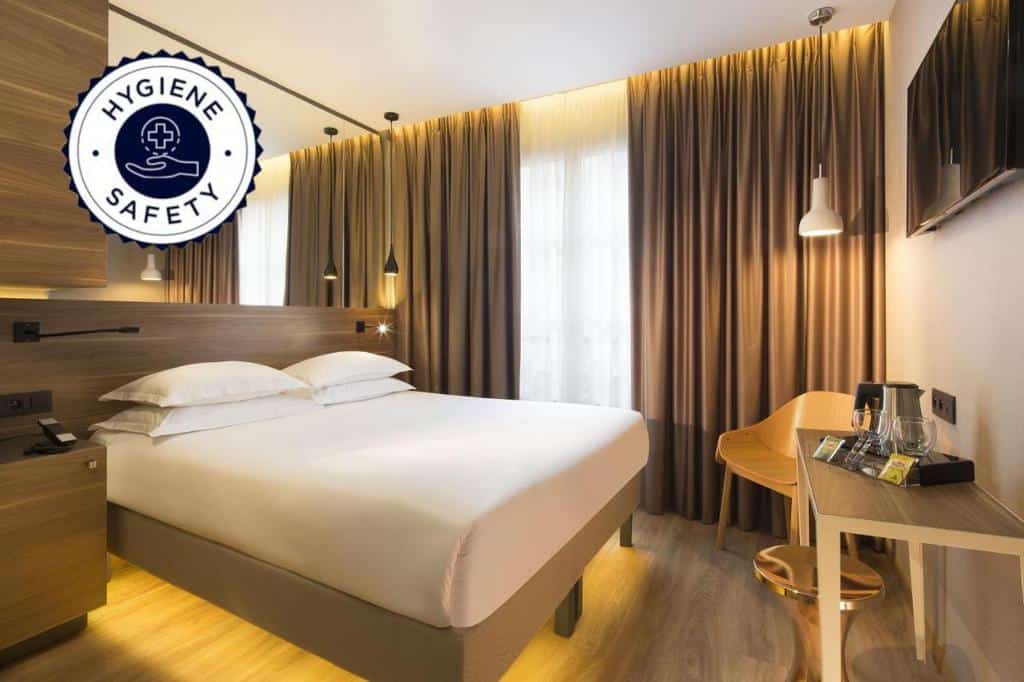
clerk hotel
Those who want to sleep on the street itself will find 26 rooms here, which underwent a major renovation in 2014, with large rain showers, smart TVs and a lobby with a fireplace and a library of design and travel books. Breakfast is served between 07:00 and 10:30 in a glass room overlooking the patio. If you want to see the Eiffel Tower from your window, specifically ask for a deluxe room on the top floor.
- On Rue Cler itself
- Renovated rooms with rain showers
- Eiffel Tower view only from the deluxe rooms on the top floor
-
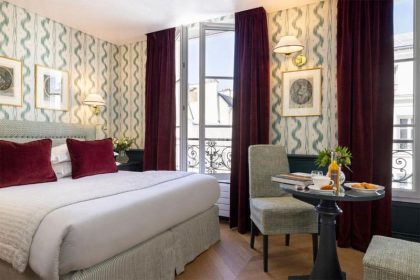
Champ de Mars Hotel
A 25-room family-run hotel on Rue du Champ-de-Mars, the small street that flows straight into Rue Cler. The decor is rustic and Provencal, the rooms are named after flowers, and breakfast includes croissants, fresh baguette and Mariage Frères tea, which can also be taken in the room. Two rooms open onto private flower-filled courtyards. The rooms are a bit smaller than usual, and there is no air conditioning, only fans, so in an August heatwave this can be a challenge. I recommend asking for a superior room, which is the most spacious.
- A small, quiet street, a step from Rue Cler
- Can breakfast be served in the room?
- No air conditioning, only fans
- Smaller than usual rooms
-
Hotel of peace
A 23-room hotel on Rue du Gros-Caillou, a quiet, semi-pedestrian street, about 250 meters from Rue Cler (and the name of the neighborhood is already in the address). Breakfast is a buffet for an additional fee and is served between 07:00 and 10:30, but with all the boulangerie and cafes on the street next door, I tend to skip it. La Tour-Maubourg station is about a seven-minute walk away, and the Eiffel Tower about fifteen minutes. The rooms are a bit smaller than usual, so I recommend upgrading to a larger room if you're coming for a week.
- Quiet semi-pedestrian street
- About 250 meters from Rue Cler
- Smaller than usual rooms
You will find additional options on the page of recommended hotels in the 7th arrondissement , on the page of recommended apartments in the 7th arrondissement , and in the article Where to sleep in Paris.
Questions and Answers about Rue Cler
How do I get to Rue Cler?
What days is it best to visit Rue Cler?
Is Rue Cler a market?
Who is Rue Cler named after?
Where to eat in and around Rue Cler?
More on the subject