in short
- What's on the route: 17 stops in the northern 9th arrondissement, between Impressionist cafes, cabarets and André Breton's apartment.
- Where to start: place Pigalle, Pigalle metro station on lines 2 and 12.
- Where do you finish: 16 rue Chaptal, at the Museum of Romantic Life.
- How long: Two and a half to three hours, and another hour if you enter the museum.
- When: In the morning, between nine and eleven, and not on Mondays when the museum is closed.
- The highlight: 42 rue Pierre Fontaine, the apartment where André Breton lived for forty-four years and wrote the Surrealist Manifesto.
- And bonus: The colorful basketball court on rue Duperré, one of the most photographed places in the district.
Today, Place Pigalle welcomes visitors in the most unflattering way possible: a traffic intersection, neon signs, adult shops and buses that stop for a moment. It's hard to believe that it was here, around a single fountain, that the painters, poets and singers who invented Parisian bohemia sat for fifty years.
This route goes up from Place Pigalle up Rue Pierre Fontaine to Place Blanche, and then down Rue Blanche and Rue Chaptal to the Museum of Romantic Life. 17 stops, about three hours, and at almost every one of them a building that looks completely ordinary until you know what was in it. A cafe where “Absinthe” was painted, an apartment where the Surrealist Manifesto was written, a cabaret where Josephine Baker danced, a theater that made the audience faint with terror, and one building where Georges Bastille composed “Carmen” and died before he realized it was a success.
It's important for me to say up front: This is not a route of sites. Almost nothing on this route is open to visitors from the inside, except for the last station. It's a route of facades, memorial plaques, and old signs, and it's intended for those who enjoy standing in front of a door and knowing who enters through it.
So before we get going, let's talk about what you'll find in this article. First, the practical information: how to get there, what days to go, and how much time to allocate. Then the route itself, stop by stop, in the order in which you encounter them on foot. Finally, a section on accommodation in the area, and answers to questions I receive about the 9th arrondissement.
Practical information for the route in the north of the 9th district
How to get there
The starting point is the Pigalle metro station, on lines 2 and 12. Both exits lead directly to the square, and the difference between them is which side you find yourself on: choose the exit facing boulevard de Clichy, because from there you can see the entire square at once.
The finish is at rue Chaptal, and from there it's a two-minute walk to the Saint-Georges station on line 12, or five minutes to the Blanche station on line 2. The entire route is within a rectangle of less than a square kilometer, so there are no intermediate trips.
What days to go?
The last stop, the Museum of Romantic Life, is closed on Mondays like most of the city's museums. If you want to end up inside and not in front of a closed gate, go Tuesday through Sunday.
The rest of the route is always open, simply because it's all on the street. There's a surprising advantage to a Sunday morning: it's a nighttime district, and the morning after is the only time you can stand in the middle of Place Pigalle and look up without being jostled.
How long, and when to come?
A continuous walk without stopping takes about an hour. With reading at each stop, taking pictures, and peeking into the courtyards whose doors happened to be open, allow two and a half to three hours. If you also go into the museum at the end, add an hour.
The best time is in the morning, between nine and eleven. The light then falls on the east side of rue Pierre Fontaine, where most of the interesting facades are, and the streets are still quiet. In the afternoon the area fills up, and in the evening it becomes something else entirely.
Route: 17 stops from place Pigalle to rue Chaptal
The route goes from north to south, and it is not arbitrary. It starts in the square where bohemia sat in the late 19th century, enters the streets of cabarets in the early 20th century, reaches its peak in André Breton's apartment, and then descends to the quiet streets where those who were already successful lived. In other words, the further south you go, the higher you climb the social ladder.
Instead of a map: Under the title of each station is its address, and each address is a link. Click on it, and the place will immediately open in Google Maps.
The square where they hired models
The square was created in the first quarter of the 19th century and was initially called place de la Barrière de Montmartre, after the customs house that stood here. It only received its current name in 1864, after the sculptor Jean-Baptiste Pigalle (1714–1785), whose studio was on the nearby street. The fountain in the center was built in 1863 by the architect Gabriel Davioud (1824–1881), on the site of the demolished customs house.
Around this fountain, until the early 20th century, the Foire aux modèles, the model market, was held. Painters would come down here in the morning and hire men and women to pose for them in their studios. It sounds strange today, but it was a real job exchange, with fixed prices and regular customers.
The two cafés that gave the square its name are no more. At number 7, on the corner of rue Frochot, stood Le Rat Mort, which began its journey under the respectable name Grand Café de la place Pigalle. According to one version, the nickname stuck to it from the smell of wet plaster after renovation, and according to another, a dead rat was actually found under the bench, or in the beer tap. The customers adopted the name, the owner gave in, and the ceiling was decorated with a painting of a giant rat. Today, a bank branch sits there.
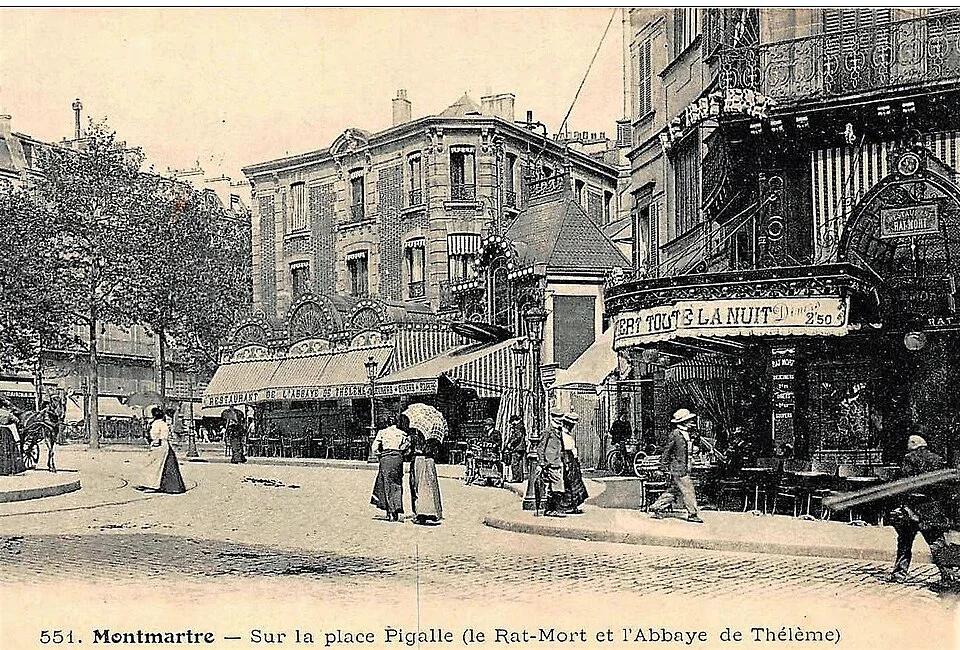
At number 1, a cabaret called L'Abbaye de Thélème, named after Ravelle's fictional abbey, opened on May 22, 1886. The waiters wore monk's robes, the waitresses dressed as nuns, and at the entrance guests were greeted by stone monsters in the shape of pig heads. The building was demolished in 1960.
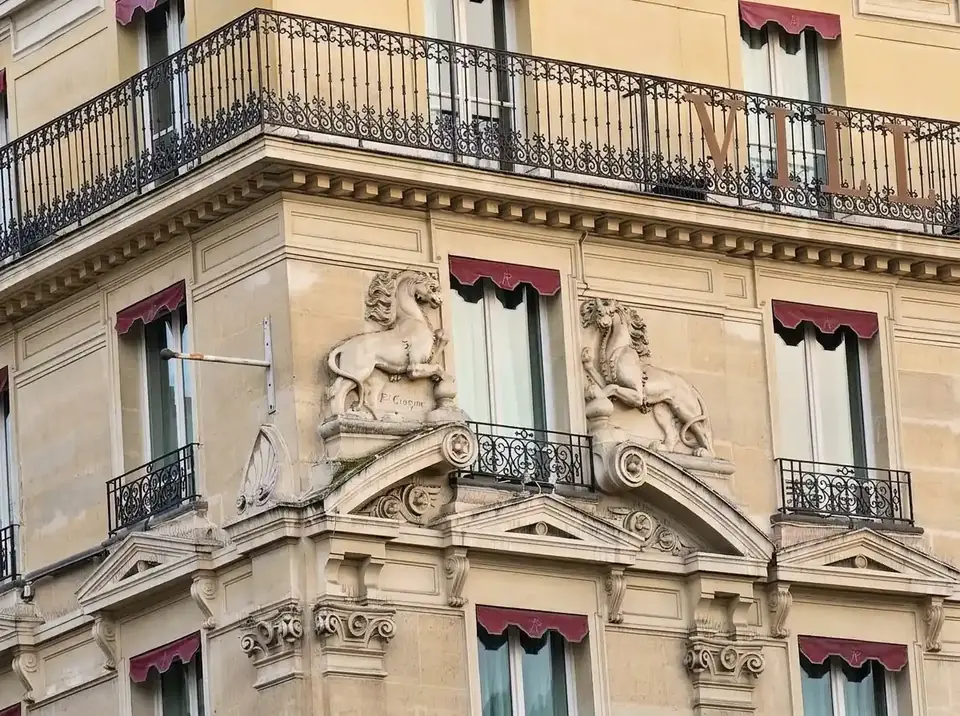
In the 20th century, the square lost its painters and gained a completely different reputation in their place. Around the place Pigalle, along the boulevard de Clichy to the rue Jean-Baptiste-Pigalle, one of the largest and most open centers of prostitution in Paris developed, with clubs, brothels and hotels that rented rooms by the hour. American soldiers who spent their vacations here after World War II called this corner Pig Alley, and the nickname stuck.
This image was immortalized by one song more than any tourist guide: “Les p'tites femmes de Pigalle” by Serge Lama (born 1943), with his own lyrics and music by Jacques Datin (1920–1973). It was released in February 1973 on the B-side of the record “Je suis malade”, won the French Singer Prize a year later, and Datin died that year without seeing the success.
Speaking of which, Dr. Orna Lieberman wrote on the site about this song and other French songs that deal with loves that didn't work out, and you can read it in the article Stormy, Disturbing, Disturbed Loves in French Songs.
The cafe where Impressionism was born
Here stood the Café de la Nouvelle Athènes, named after the neoclassical quarter around it. From 1871 until the end of the century it was the meeting place of the painters then called “the Uncompromising”, and only later were they called Impressionists. After the Franco-Prussian War and the Commune, the previous group that met at the Café Guerbois dispersed, and some of them reconvened here.
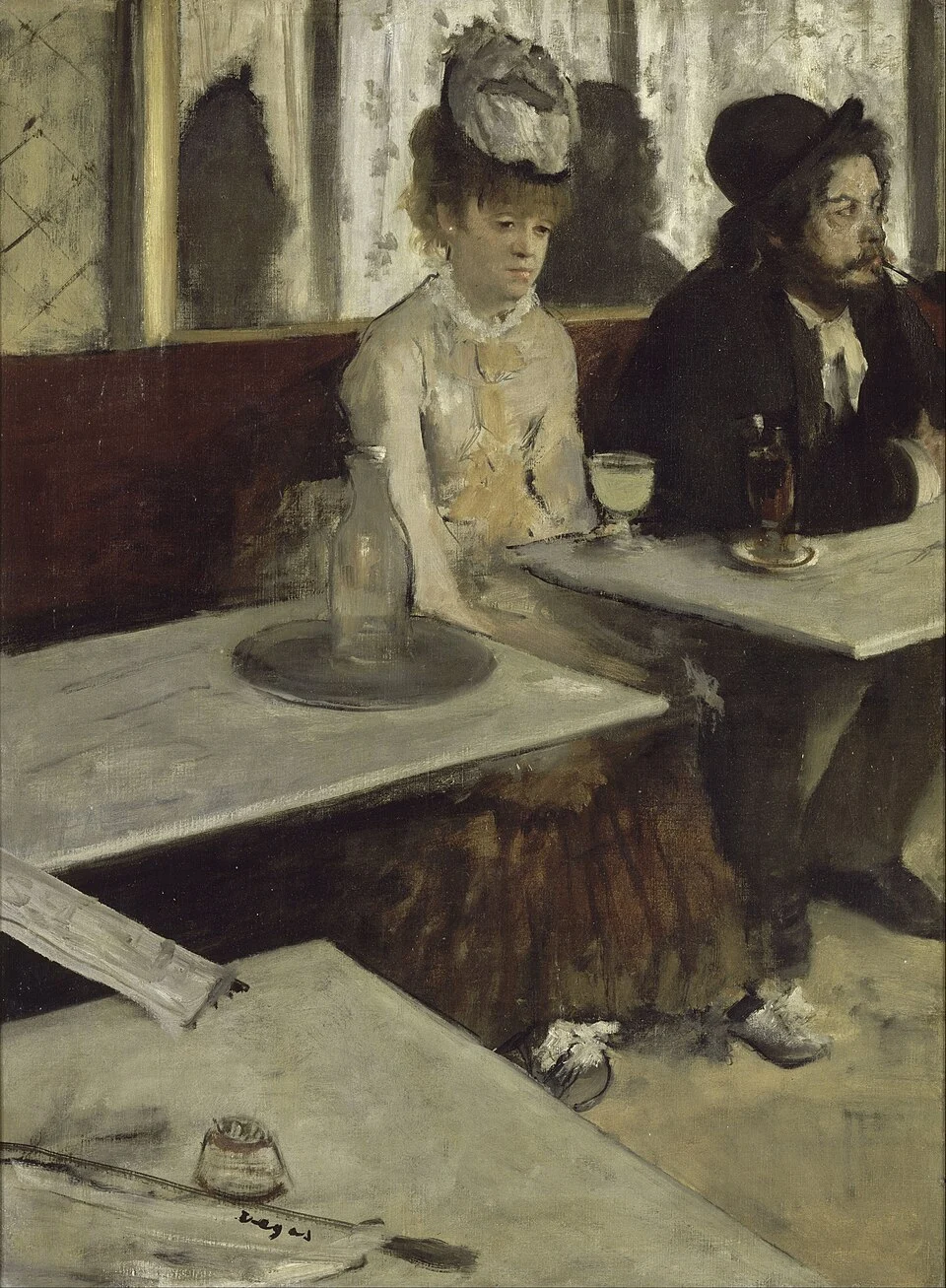
Two famous paintings were painted in this hall. Edgar Degas (1834–1917) painted “In a Café” between 1875 and 1876, known throughout the world as “Absinthe,” and Édouard Manet (1832–1883) painted “The Plum” in 1878. The same model, actress Ellen Andrée (1857–1925), sat on the same moleskin benches for both, and next to her in Degas’s room was the engraver Marcellin Desboutin (1823–1902).
The building you see is brand new. The original structure was demolished in 2005, not without public outcry, and the building that replaced it took the name of the historic café. This is perhaps the strangest moment on the tour: standing in front of a sign that says exactly what used to be here, and none of it exists anymore.
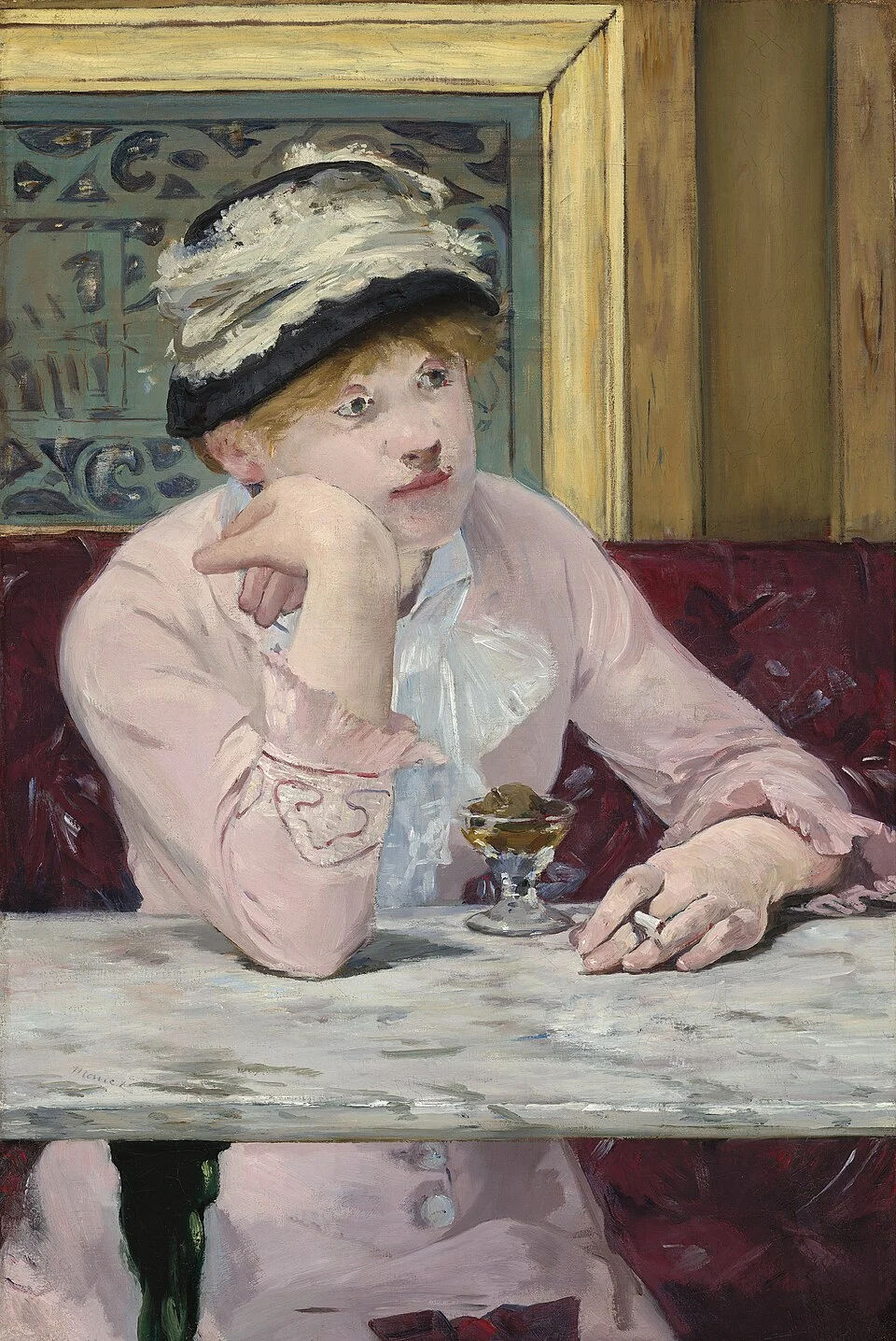
The model who sat in both paintings did not remain a model. Alain André had a long career on the stage, acting in nearly thirty plays, including works by Georges Courtelin, Jules Renard, and Sacha Guitry, and also continued to sit for painters. She can be recognized, among other things, in Renoir’s “The Luncheon of the Sailors.”
The artists' house that became a discotheque
11 place Pigalle , and the second entrance is 77 rue Jean-Baptiste-Pigalle
Behind the covered façade of the Folie's Pigalle lies one of the most original buildings in the area. It was built in 1846 by Louis-Aimé Becq de Fouquières, a relative of the equestrian painter Alfred de Dreux (1810–1860). The idea was to group 11 studios of the artists of the period and eight apartments where they lived around a courtyard, so that the artists could live and work together.
The idea worked. Jean-Jacques Henner (1829–1905), who was famous for the pale skin and red hair of his figures, worked in one of the studios here, and according to one version, the Barbizon School painter Narcisse Diaz de la Peña (1807–1876) also lived in the building. Later, the building became a theater, then a cinema, and since 1991 it has been a nightclub.
Anyone standing across the road and looking over the commercial facade will still see the studio's row of tall windows. The building is listed as a listed building and is empty today.
Girls' school and basketball court
In 1882, a school of applied arts for girls, founded by Élisa Lemonnier (1805–1865) as part of a long struggle for the right of women to learn a trade and not just sew at home, moved here. The municipality bought the school from her in 1906, and it still bears the street name, École Duperré, even after it moved to the third arrondissement.
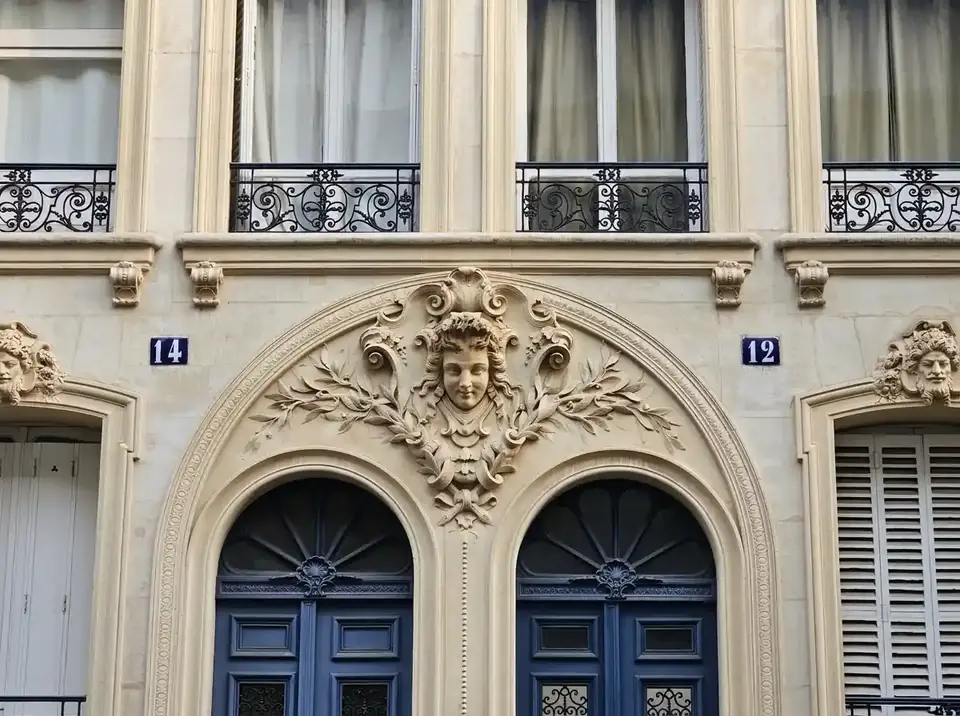
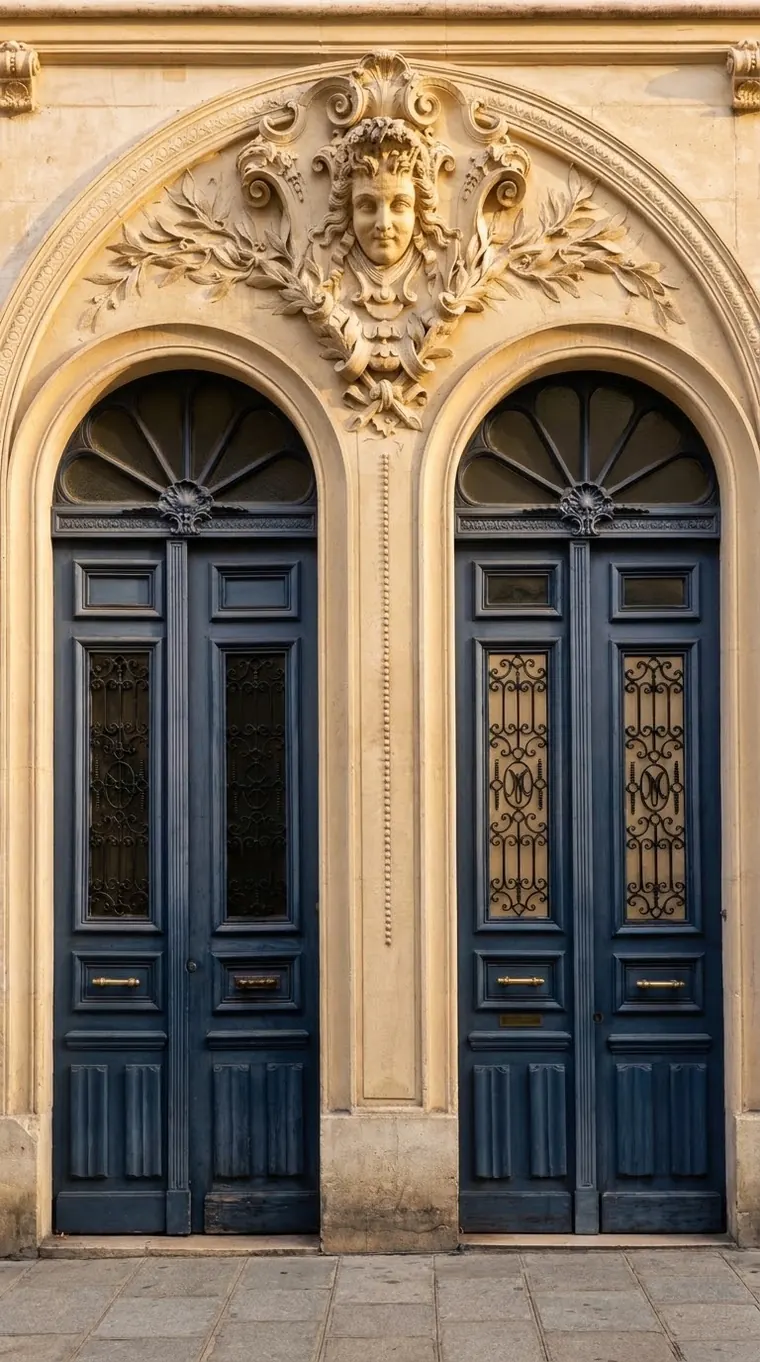
Between numbers 20 and 22 there is something completely different today: Playground Duperré, a tiny, colorful basketball court squeezed into a courtyard between two buildings. It was redesigned in collaboration with a local brand, and is one of the most photographed places in the district. If you're wondering what happened to the spirit of education and art on this street, the answer is that it moved to the court.
The building where “Carmen” was written
34 rue Duperré , where the entrance to Café Carmen is located, and on the other side 26 rue Pierre Fontaine
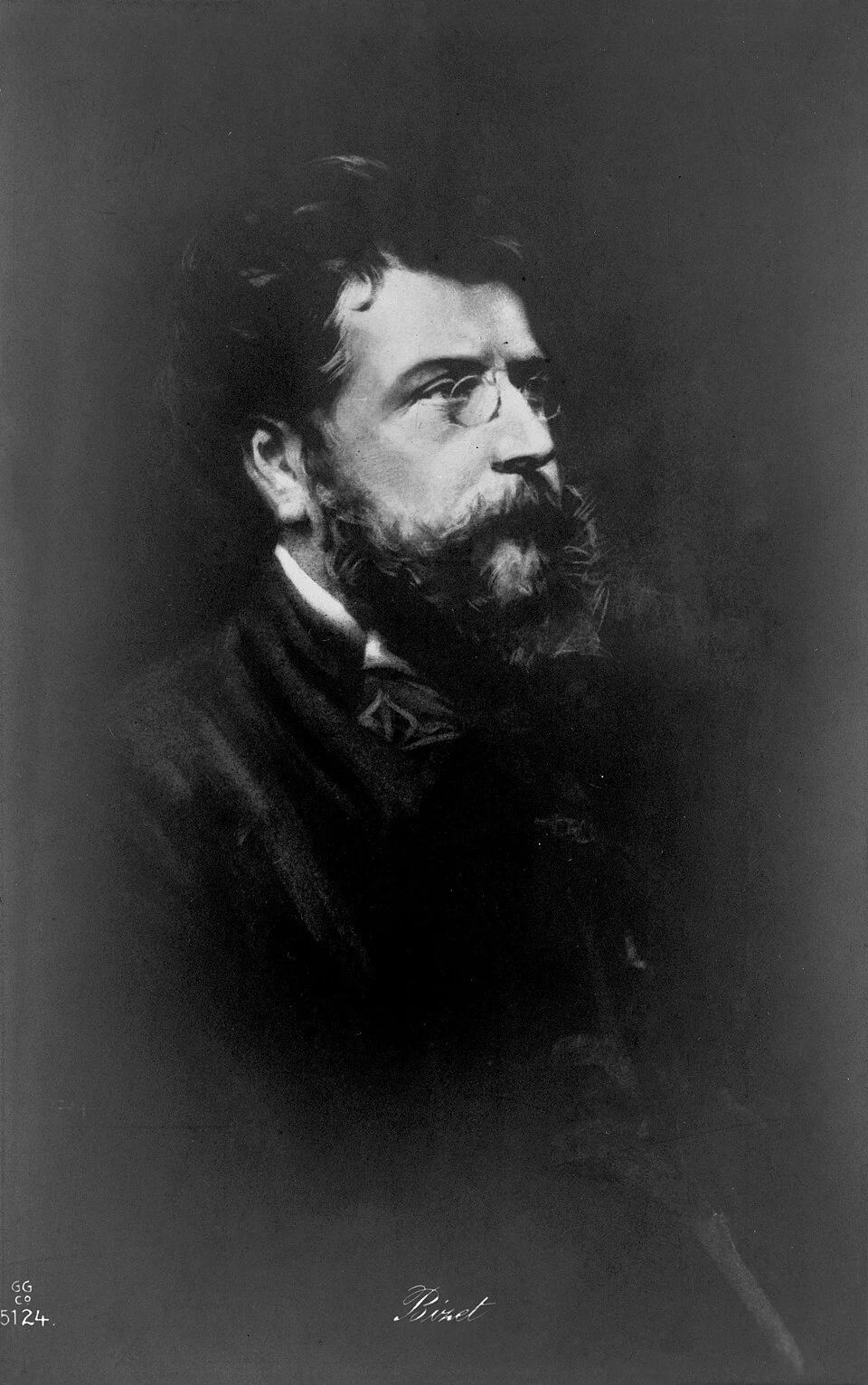
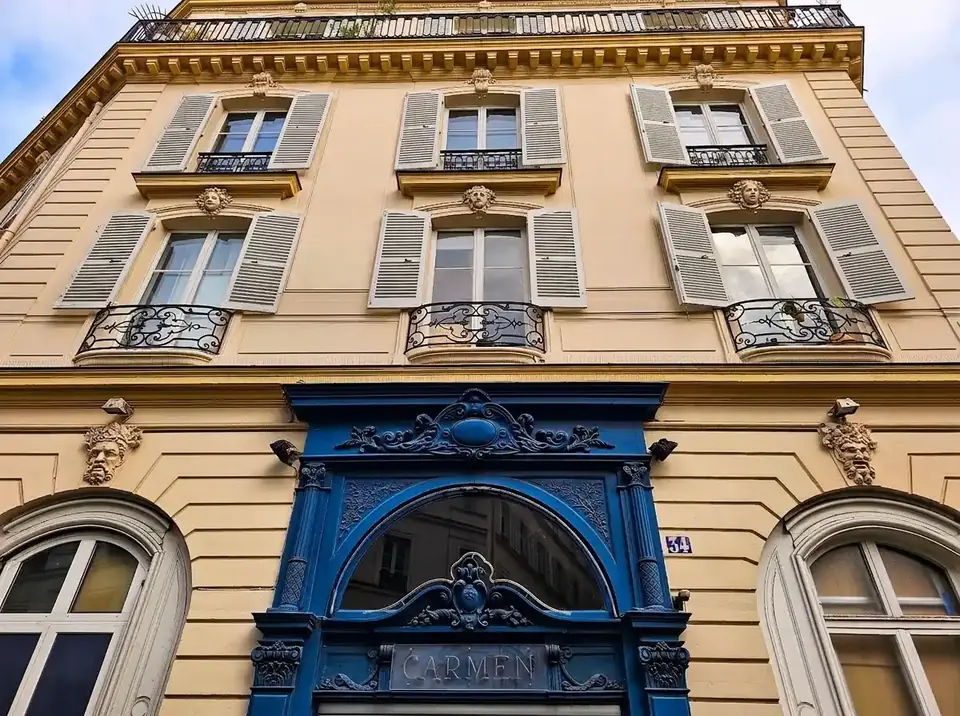
The large building that takes up the entire corner is the Hôtel Halévy, a listed heritage site. This is where the composer Georges Bizet (1838–1875) lived after marrying Geneviève Halévy (1849–1926), the daughter of his teacher. In the apartment on the second floor, he composed a large part of “Carmen.”
The premiere, in March 1875, was a failure. The critics were disgusted by a heroine who smoked, worked, and cheated, and the bourgeois audience of the Opéra-Comique did not know how to react. Three months later, Bizet died, at the age of 36. He did not know that the work that buried him would become the most performed opera in the world.
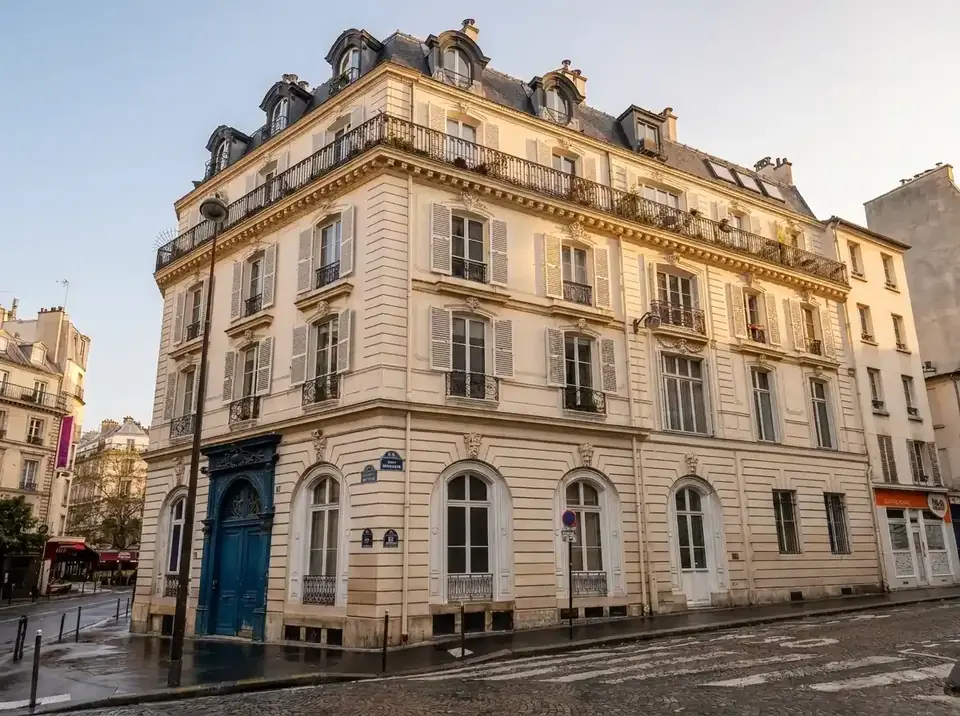
The ground floor of the building now houses a café called Carmen, which has retained its turn-of-the-century design with its high ceilings and mirrors. It is perhaps the only place on the route where you can have coffee inside the story itself.
By the way, you can read about the opera itself, the failed premiere, and the way it became the most performed work in the world in Shlomi Keinan's lecture, The Story of "Carmen . "
The Academy that admitted women, and Van Gogh's paint shop
At number 28, with an additional entrance from rue Fromentin, Rodolphe Julian (1839–1907) opened one of the studios of the academy that bore his name. The Académie Julian was a private school of painting that did not require an entrance exam, and therefore those who the official academy did not want passed through it: Matisse, Duchamp, Viard, Jean Dubuffet.
More importantly, she was one of the first to admit women to serious painting classes, in separate classes. Women were allowed to paint men almost naked, while men painted women fully naked. Partial equality, we might say, but in 1880 even that was considered revolutionary.
A few doors up, at number 31, was the paint shop Tasset et Lhote. Van Gogh bought paints and canvases there while he was living with his brother Theo, and continued to order from them even after he moved to Arles. Degas, who lived next door, was also a regular customer. It’s a good reminder that a district of painters is first and foremost a district of suppliers.
The hotel that remains from the days of Louis Philippe
The building is set back from the street, leaving a small courtyard in front of it, which is exactly what gives away its age. It was built during the reign of Louis Philippe (king from 1830 to 1848), when the area was still a new and respectable neighborhood, and it has retained its original stucco decorations and cast iron railings. It is protected as a heritage site.
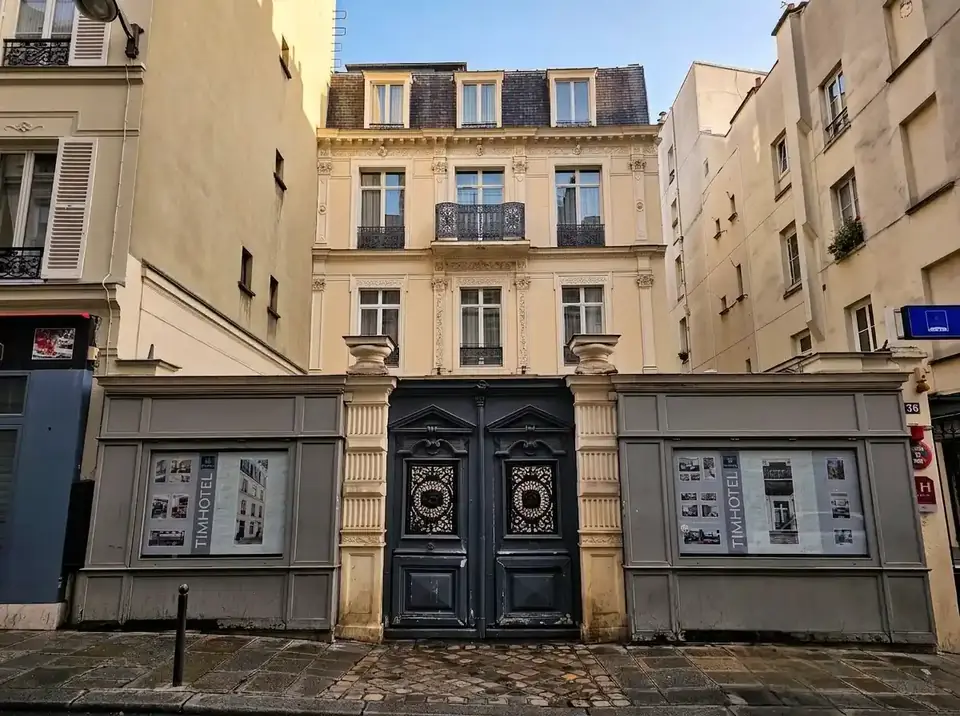
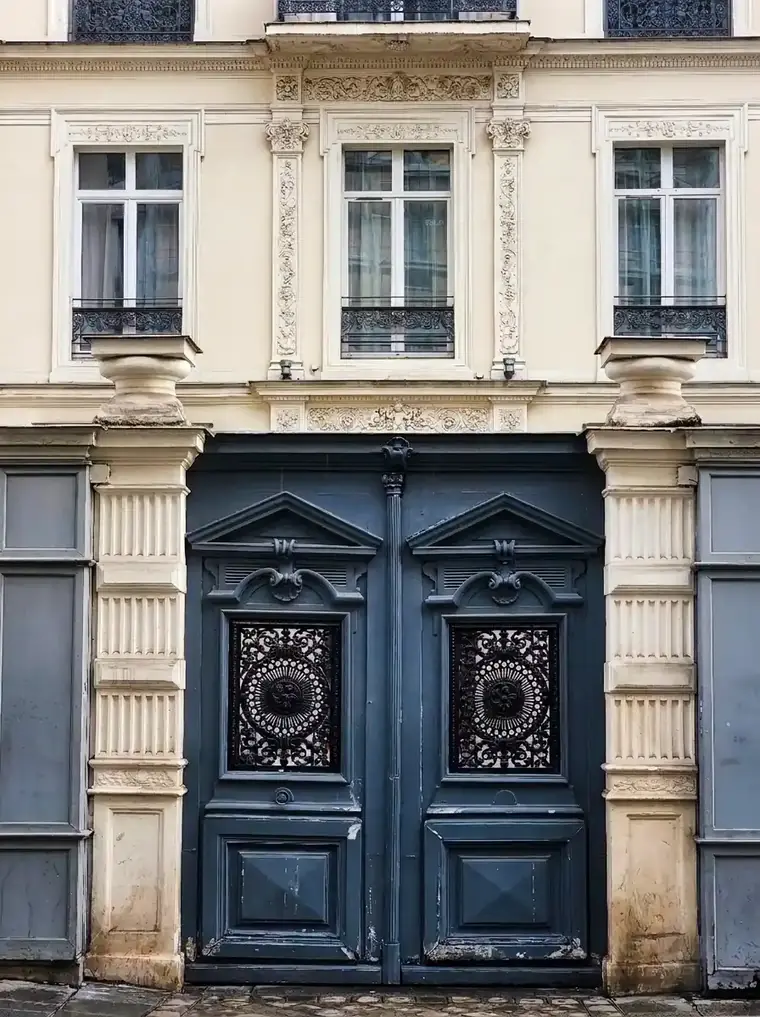
Such houses were built here for what the era called Loretos, young women who lived under the protection of wealthy men and who gave the district much of its reputation. If you've ever wondered how the square evolved from painters' cafes to the neon signs of today, the answer begins right here.
Josephine Baker's Cabaret
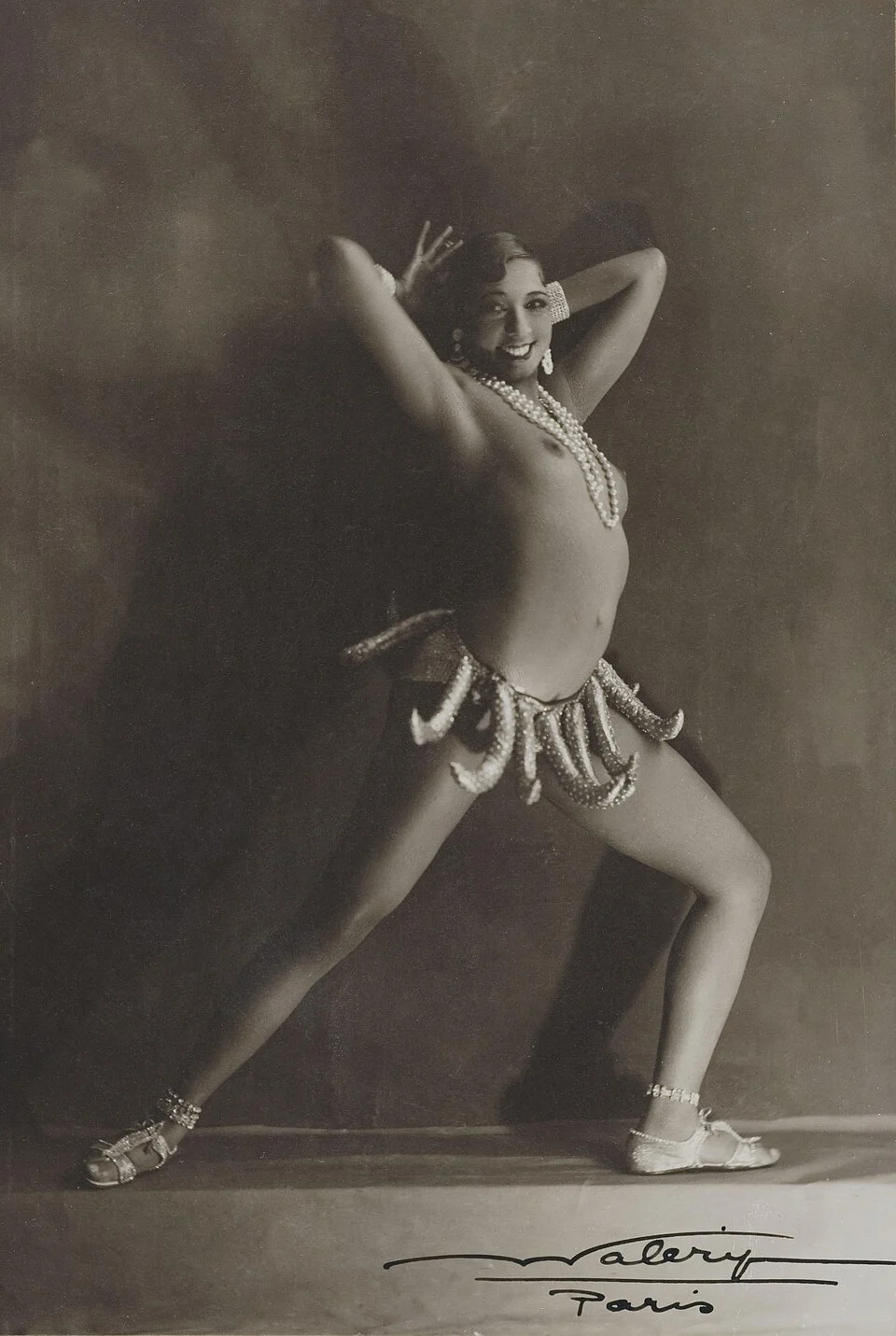
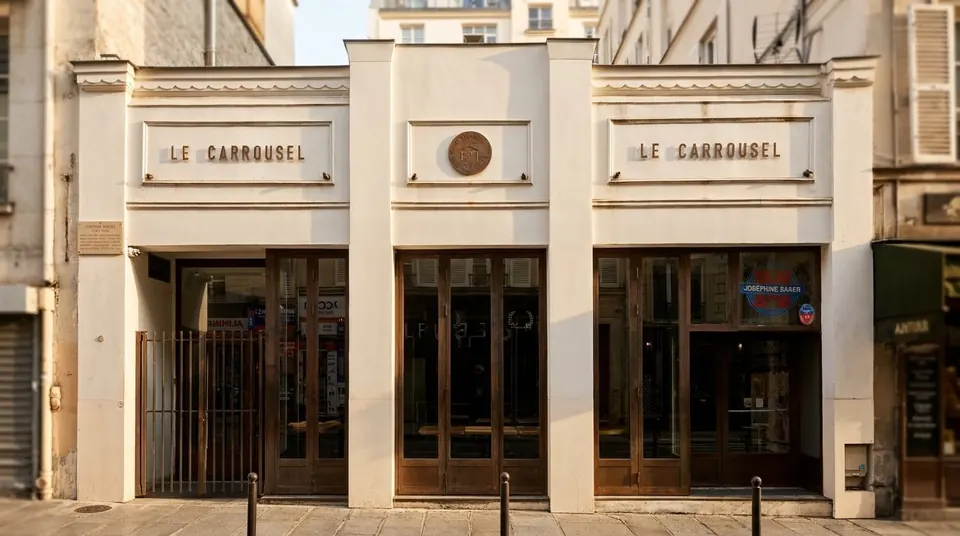
In December 1926, the promoter Giuseppe Abtino, who called himself Count and was known as Pepito, opened a cabaret here called Chez Joséphine for his star, Joséphine Baker (1906–1975). She had arrived in Paris the year before with La Revue Nègre, taken the city by storm within weeks, and now had a club bearing her own name.
After the war, the place took on a completely different life, as Le Carrousel de Paris. Between 1947 and 1961, it was the most expensive club in Paris, and its show featured transgender and transvestite performers, led by Coccinelle (1931–2006). The police repeatedly closed the place, with an order banning “costume shows,” and the club’s performers began taking hormones and growing their hair out so they wouldn’t be accused of it. The club continued to operate, apparently because someone paid the right people.
The apartment where surrealism was invented
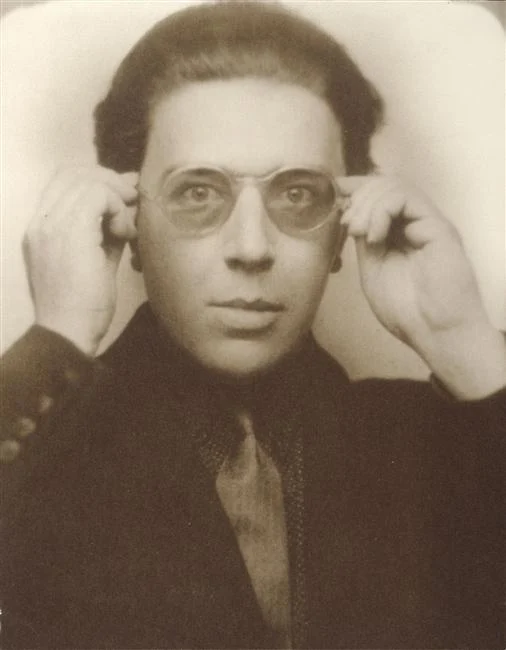
This is the central station of the route. In 1922 André Breton (1896–1966) moved here, and remained at the same address until his death in 1966, forty-four years. The apartment and studio were at the end of the courtyard, staircase B, fourth floor, and above them a skylight overlooking the boulevard de Clichy.
Here, in 1924, the “Surrealist Manifesto” was written, and here the group that turned this word into a movement gathered: Paul Éluard (1895–1952), Louis Aragon (1897–1982), Giorgio de Chirico (1888–1978). On the door hung a small sign with the number 1713, which was neither a year nor an address: Breton saw in 17 and 13 the graphic form of the letters A and B, his initials.
Over those forty-something years, the apartment had accumulated some forty thousand items: paintings, African and Oceanic masks, stones, insects, manuscripts, and objects that Burton picked up on the street because they seemed right to him. In 2003, after the state refused to purchase the entire collection, it was sold at an auction that lasted days, scattering the “universe of objects” throughout the world. The wall of his study was moved to the Pompidou Center.
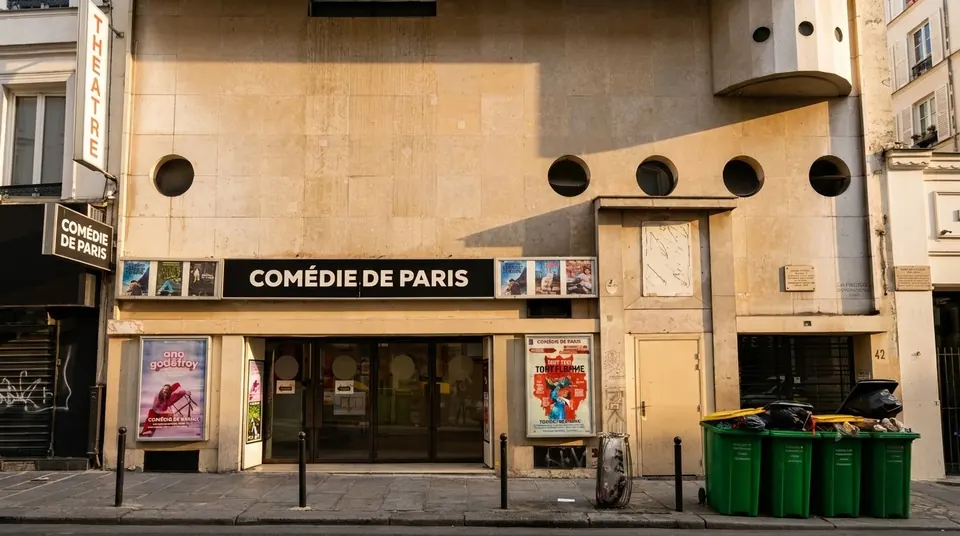
The same building has housed the La Comédie de Paris theater since 1929, built by architect Georges-Henri Pingusson (1894–1978) and then called Les Menus Plaisirs. It is also protected as a heritage site. The memorial plaque to Breton hangs on the facade, and it is impossible to miss.
The writer who died poor on this street
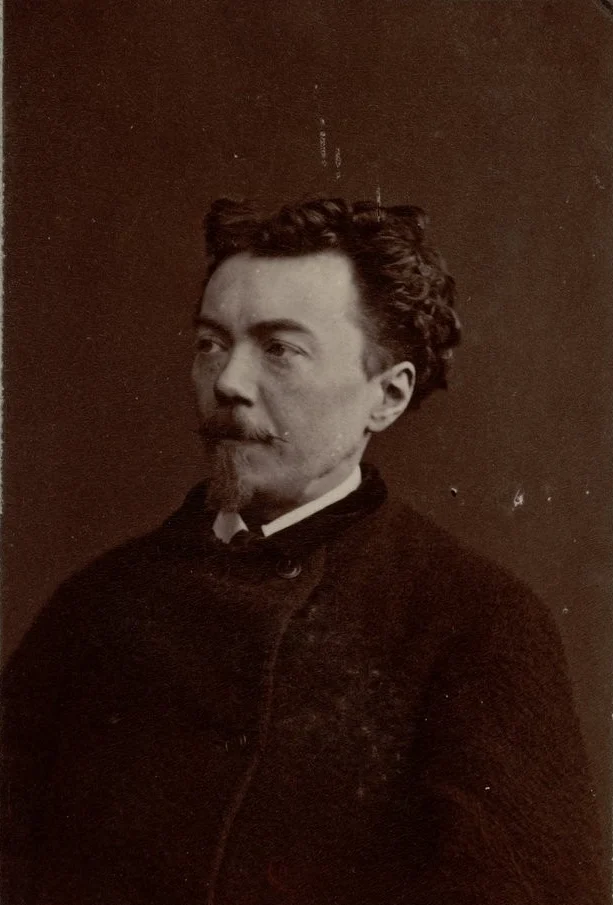
The modest building opposite tells the other side of bohemian life. The writer Villiers de l'Isle-Adam (1838–1889), author of "Cruel Stories," who was descended from an old noble family and spent his life in utter poverty, lived here from 1862. When he fell ill with cancer, his friend Stéphane Mallarmé (1842–1898) started a public fundraiser to finance his treatment.
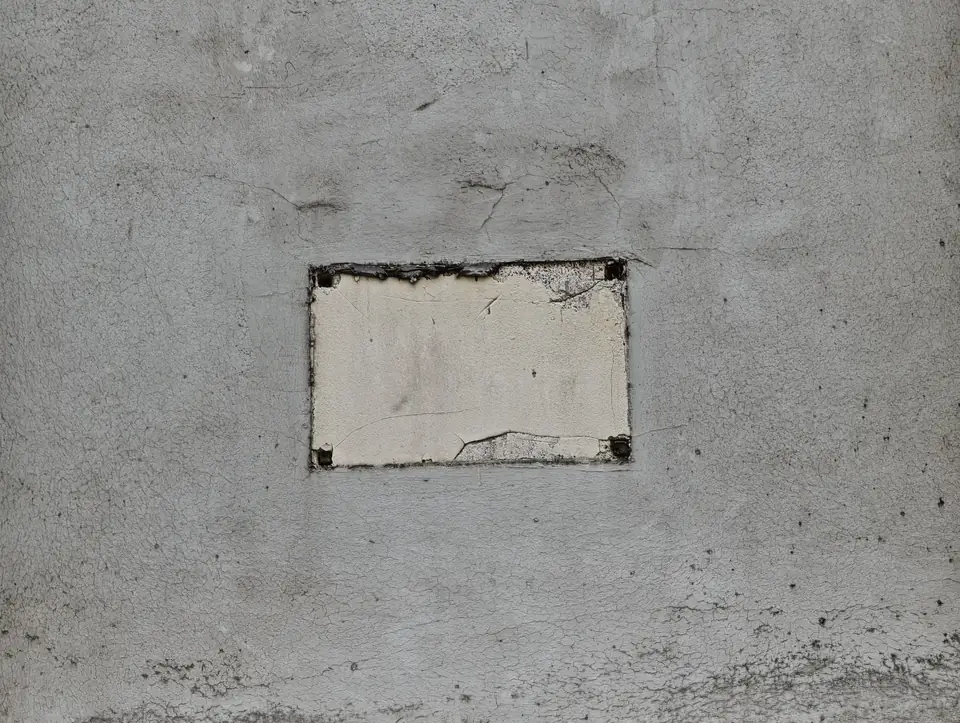
The memorial plaque that was here has been removed, leaving only a gray stain on the stone. Perhaps that's for the best, because there was an amusing mistake in its wording: it preceded Willier's death by a full twenty years.
The square of the red mill, and of the barricade
The name comes from the gypsum. For centuries, carts from the Montmartre quarries came down here, and the white dust that fell from them colored the square and the street leading off it. Hence place Blanche, and hence also rue Blanche.
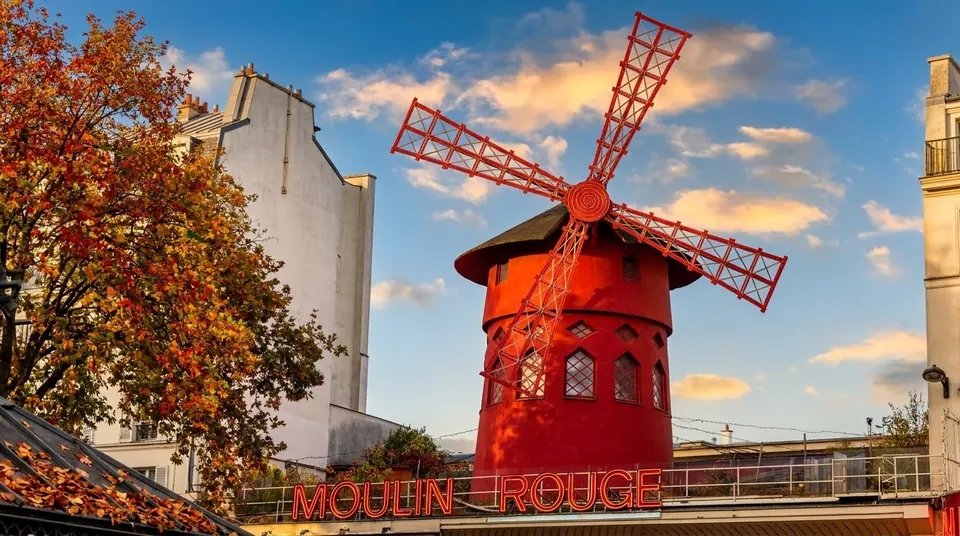
At the end of May 1871, in the last days of the Commune, one of the barricades etched into French memory stood here, the barricade held by women. Rue Pierre Fontaine stopped right at it. Across the road, directly opposite this spot, eighteen years later the Moulin Rouge opened with its red windmill. If you want to come back here in the evening, tickets for the Moulin Rouge show can be booked here.
This square was also where Burton's group took their famous group photo, a few dozen meters from his apartment. Three completely different stories, civil war, cabaret and avant-garde, on the same fifty meters of sidewalk.
The brothel that became a five-star hotel
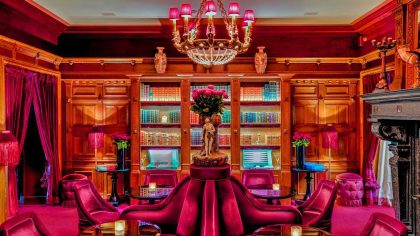
A short detour west of Place Blanche, on a completely quiet street, stands a building with two red iron lanterns on either side of the door. The lanterns are not a design, they are a quote: between 1871 and 1880 a girls' school called École Paulin operated here, and in 1905 Madame Socca opened a small, discreet brothel in its place. From 1907 the building became a regular hotel.
In 2013, the building was purchased and underwent a two-year renovation, and in 2015 it opened as Maison Souquet , a five-star hotel with 20 rooms and suites. The interior was designed by Jacques Garcia (born 1947), and each room is named after a courtesan from the Belle Epoque. Even those who are not sleeping there can go into the bar and order a cocktail, which in my opinion is the only solution that allows you to see the lobby without paying for a night.
The architect who rebuilt the city hall
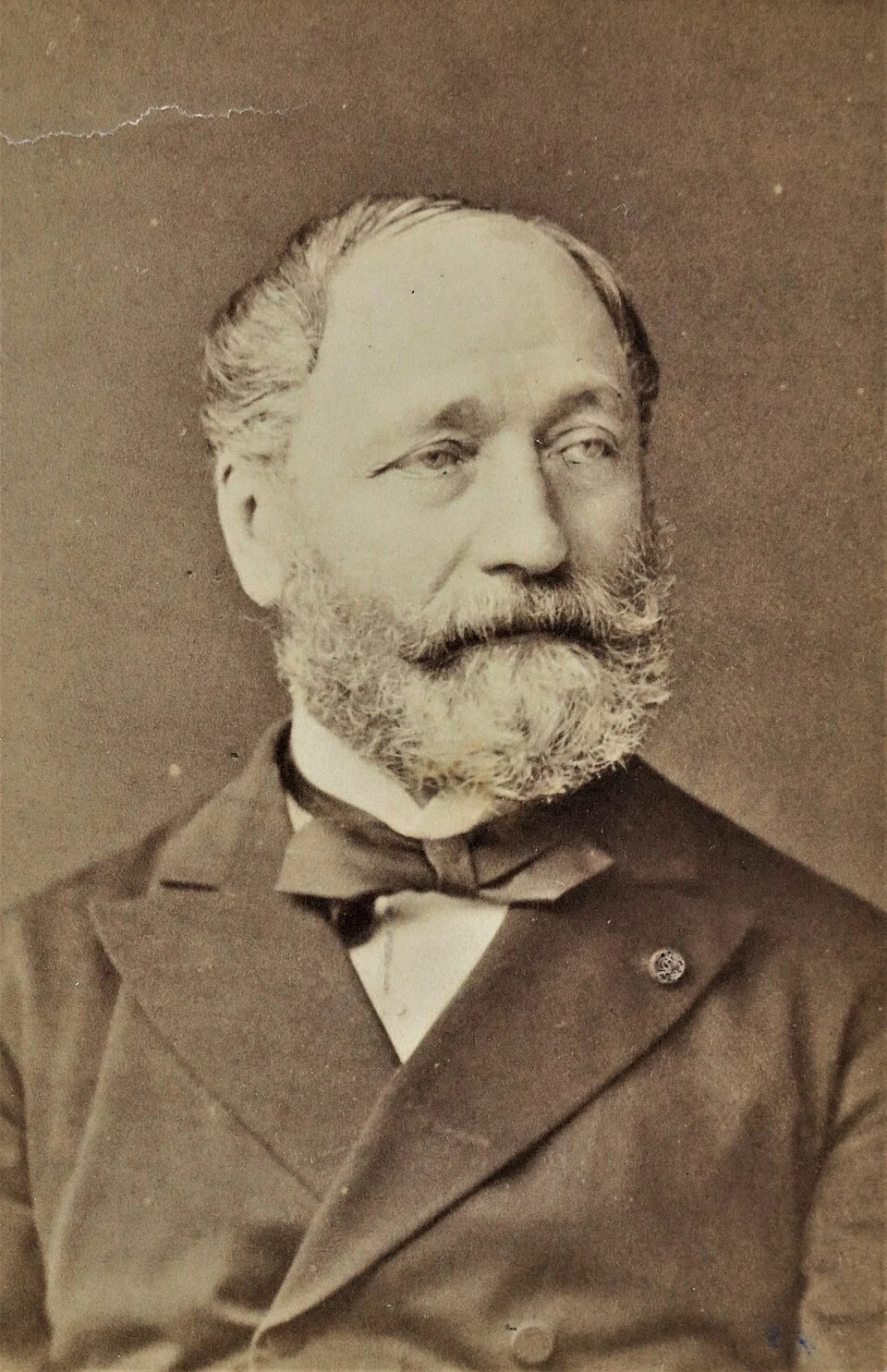
This busy neo-Renaissance façade belongs to the house where the architect Théodore Ballu (1817–1885) lived and died. He built the church of La Trinité at the southern end of the street, and after the Commune burned down the Paris City Hall in 1871, he was entrusted, along with Edmond Deperthes (1833–1898), with its reconstruction.
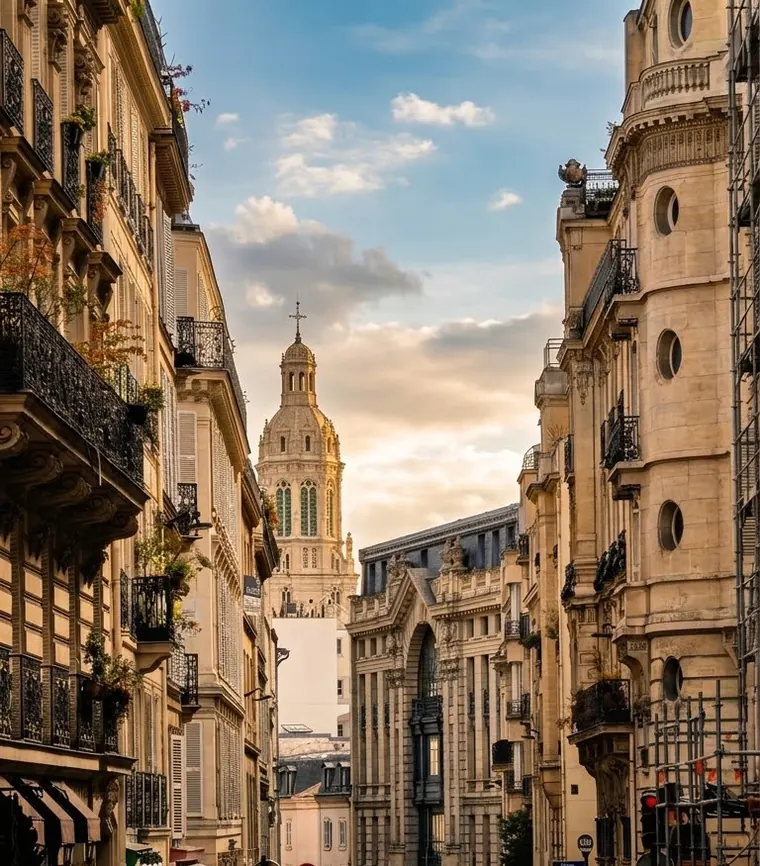
Right here, at number 77, was Edgar Degas' studio until 1870. These two buildings opposite each other explain something about the district: the official architect of the Republic and the painter who refused to exhibit in the official salon lived on the same street, and perhaps even ignored each other on the same sidewalk.
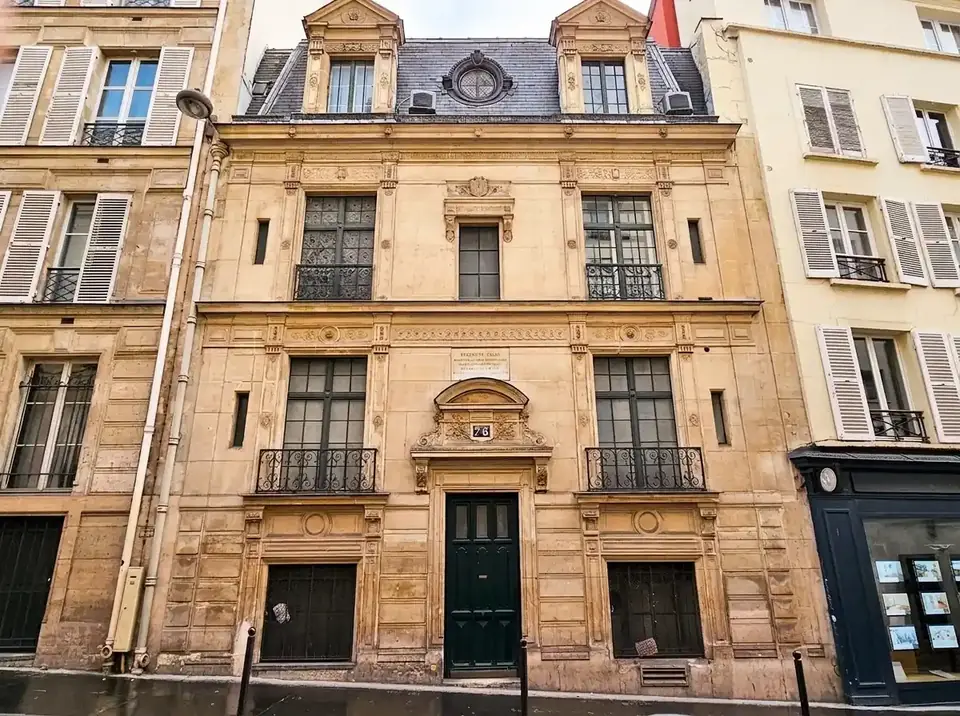
The memorial plaque on the facade says everything you need to know: Chief architect of the Hôtel de Ville and the Church of La Trinité, born in Paris on June 8, 1817, died in this house on May 22, 1885. Four lines that sum up an entire career.
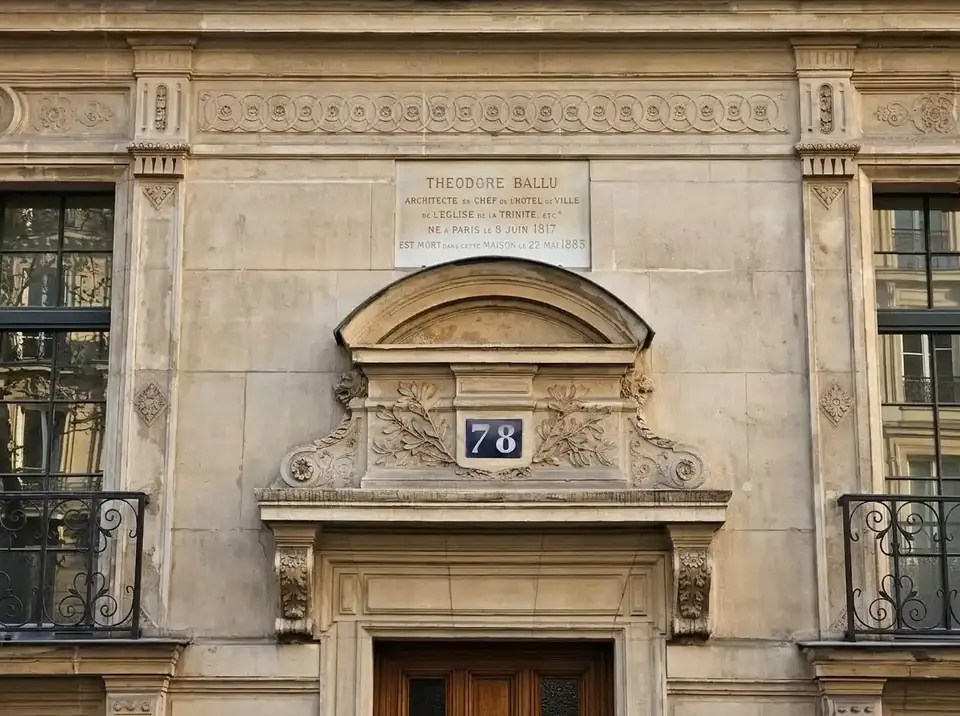
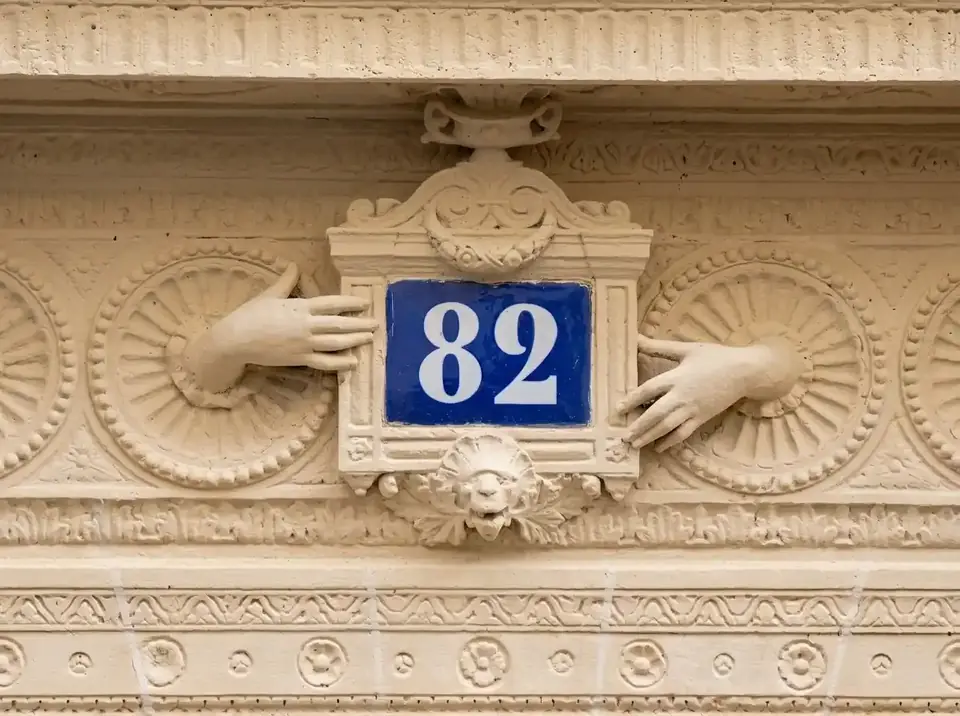
It's also worth looking up at the neighboring houses. At number 82, two houses away, the blue house number is placed between two sculpted hands holding it on either side. It's the kind of detail that no one ordered and no one asked for, and it's stayed there for a hundred and fifty years.
When Beaumarchais was dealing with copyright
Rue Ballu is of course named after the neighbor from the previous stop, and is one of the most beautiful streets in the district. At number 11 bis stands the Hôtel de Blémont, a private hotel built in 1858 for a banker and later bought by the poet Émile Blémont (1839–1927).
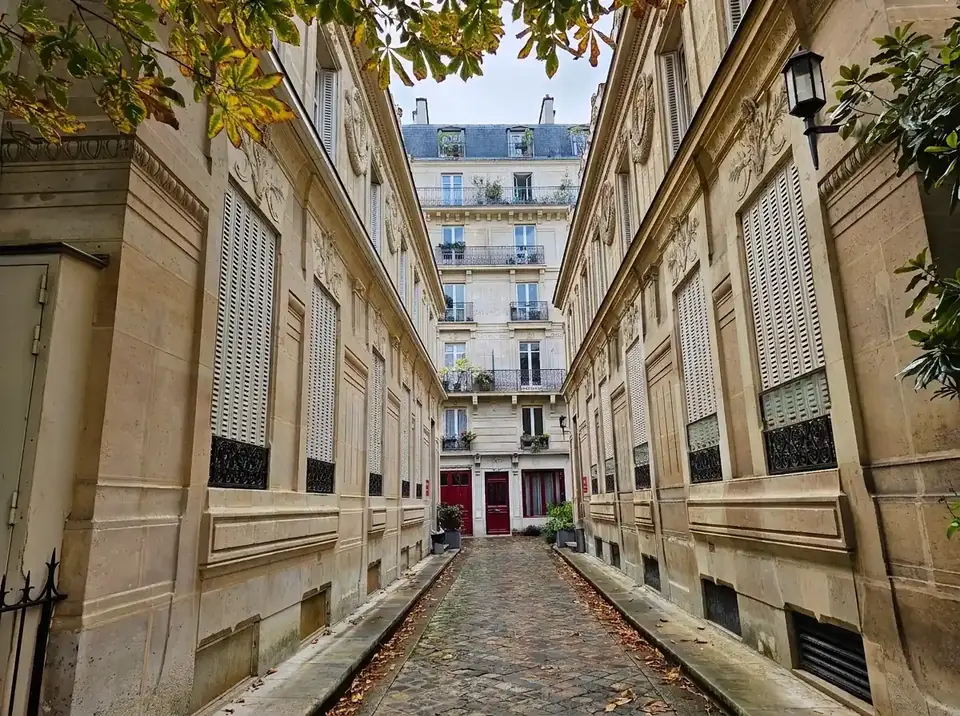
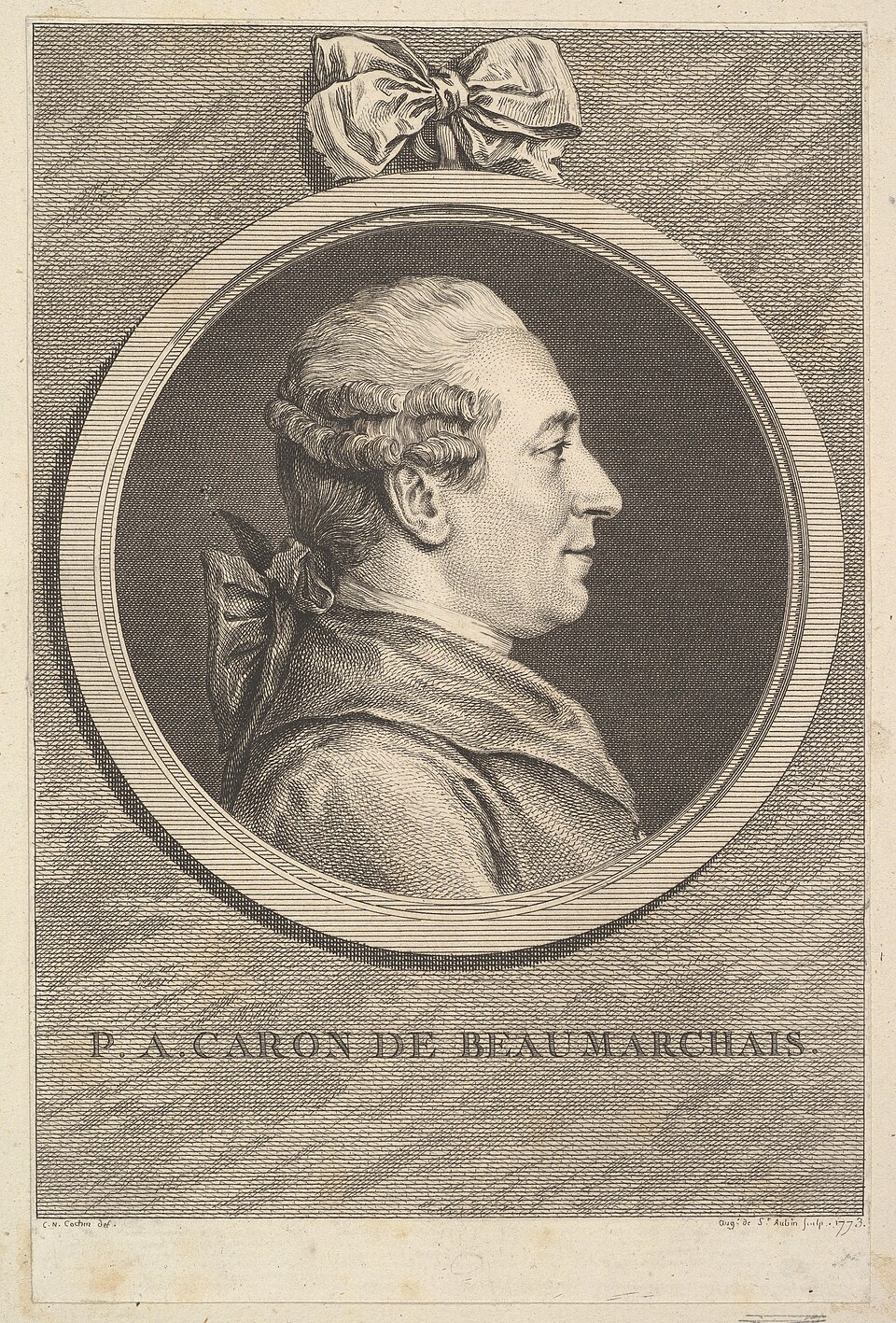
The SACD, the Society of Dramatic Authors and Composers, has been based here since 1932. The society was founded in 1777 by Pierre-Augustin Caron de Beaumarchais (1732–1799), author of “The Marriage of Figaro,” after he became fed up with theaters showing his plays without paying him. It is one of the oldest copyright societies in the world, and has been operating continuously ever since.
If the gate is open, it's worth taking a peek inside. Behind the facade is a quiet courtyard with double staircases and a ginkgo tree that turns completely yellow in the fall. A narrow paved passageway also leads to the complex, starting a few houses away, at 5-7 rue Ballu, and is one of the most beautiful hidden corners in the district.
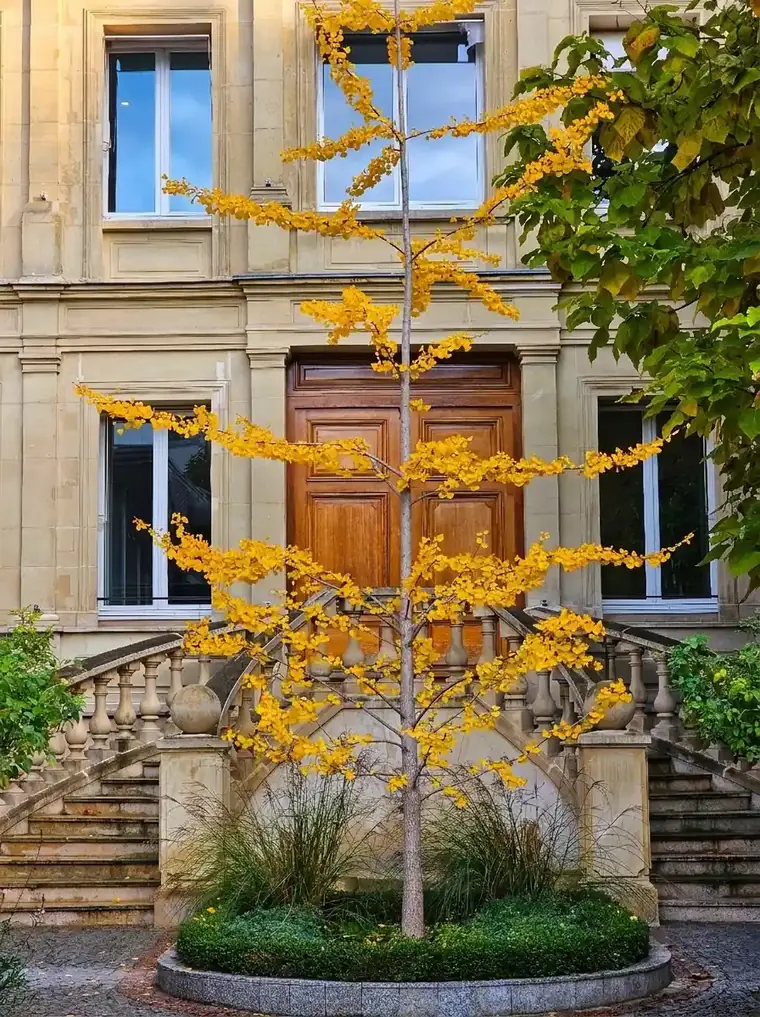
The courtyard itself is the reason to enter. In its center stands a young ginkgo tree in front of double stone steps, and in October and November its leaves are completely yellow. A friends' association housed in a private house with a garden is exactly the kind of thing Beaumarchais would appreciate.
The gallery that fired Van Gogh
In 1857, the art dealer Adolphe Goupil (1806–1893) bought the plot at number 9 and built a luxurious private hotel on it, including a studio, a printing house and an exhibition hall. Between 1860 and 1890, Goupil & Cie, one of the largest art firms in Europe, was located here, selling paintings and prints from London to New York.
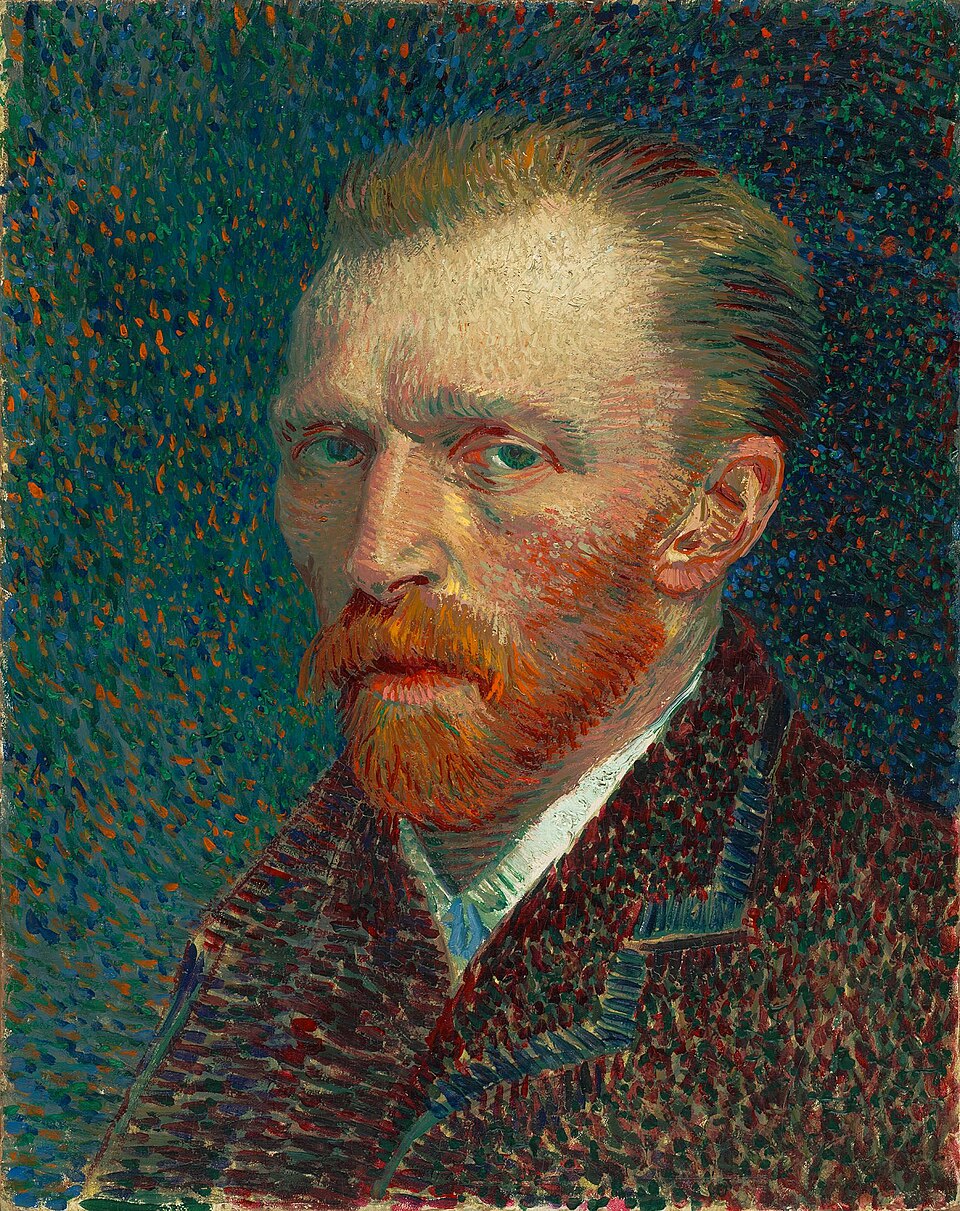
Between May 1875 and April 1876, a young salesman named Vincent van Gogh (1853–1890) worked here. It didn’t work out. He refused to sell customers works he didn’t like, told them what he thought of their taste, and was fired. His brother Theo, who worked for the same company, stayed and made a career.
The composer Iannis Xenakis (1922–2001), who was also an engineer and architect and collaborated with Le Corbusier, lived in the same building from 1970 until his death in 2001. He has a memorial plaque here. And opposite, at number 11 bis, a boy named Lucien Gainsbourg, who would become Serge Gainsbourg (1928–1991), grew up between 1932 and 1947. His kindergarten was in the building across the street.
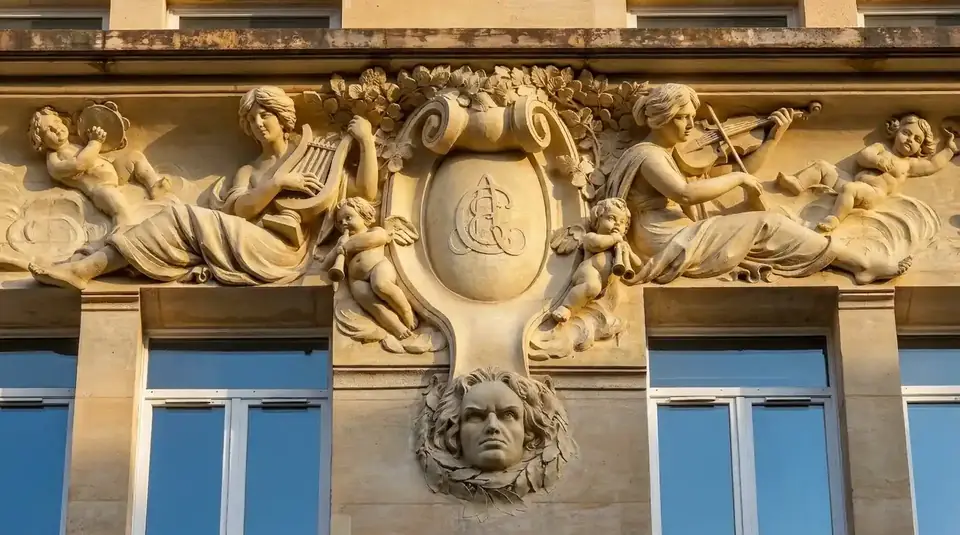
Opposite, at number 10, sits a building connected to that world. On its cornice is a relief of two muses, one with a lyre and one with a violin, cherubs between them and below them the head of Beethoven. This was the historic home of SACEM, the Society of Authors, Composers and Publishers of Music.
The horror theater that made viewers faint
20 bis rue Chaptal , at the edge of the Cité Chaptal
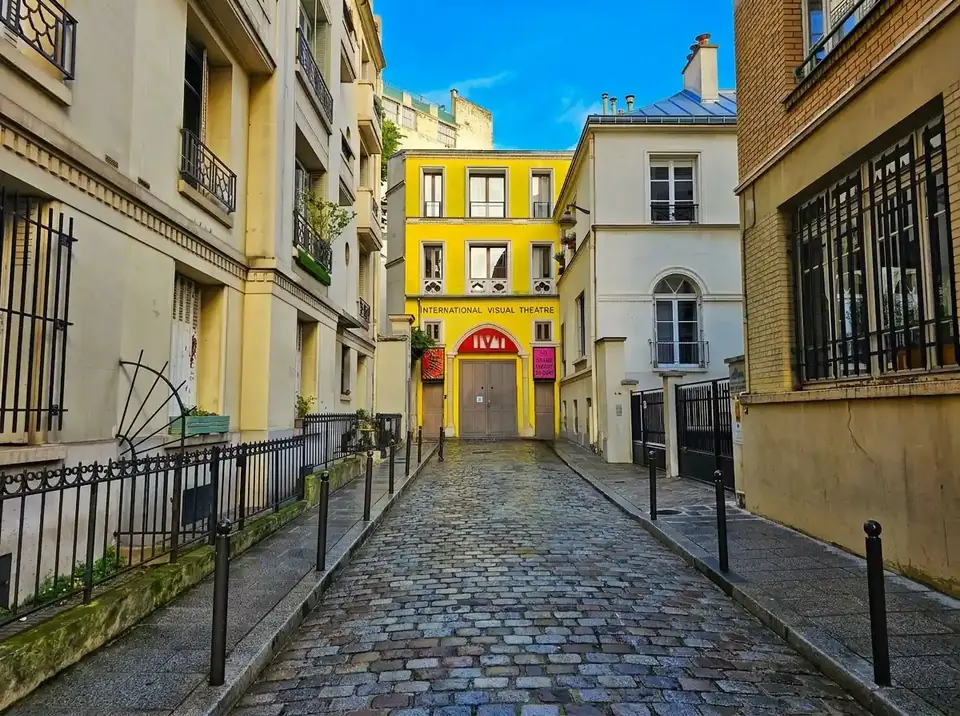
In the small alley that opens from the street, the Théâtre du Grand-Guignol, the theater that invented the art of horror on stage, operated between 1897 and 1962. The hall itself was originally a chapel, with Gothic wooden beams and wooden angels that remained on the walls, which gave the shows an effect that no one had planned.
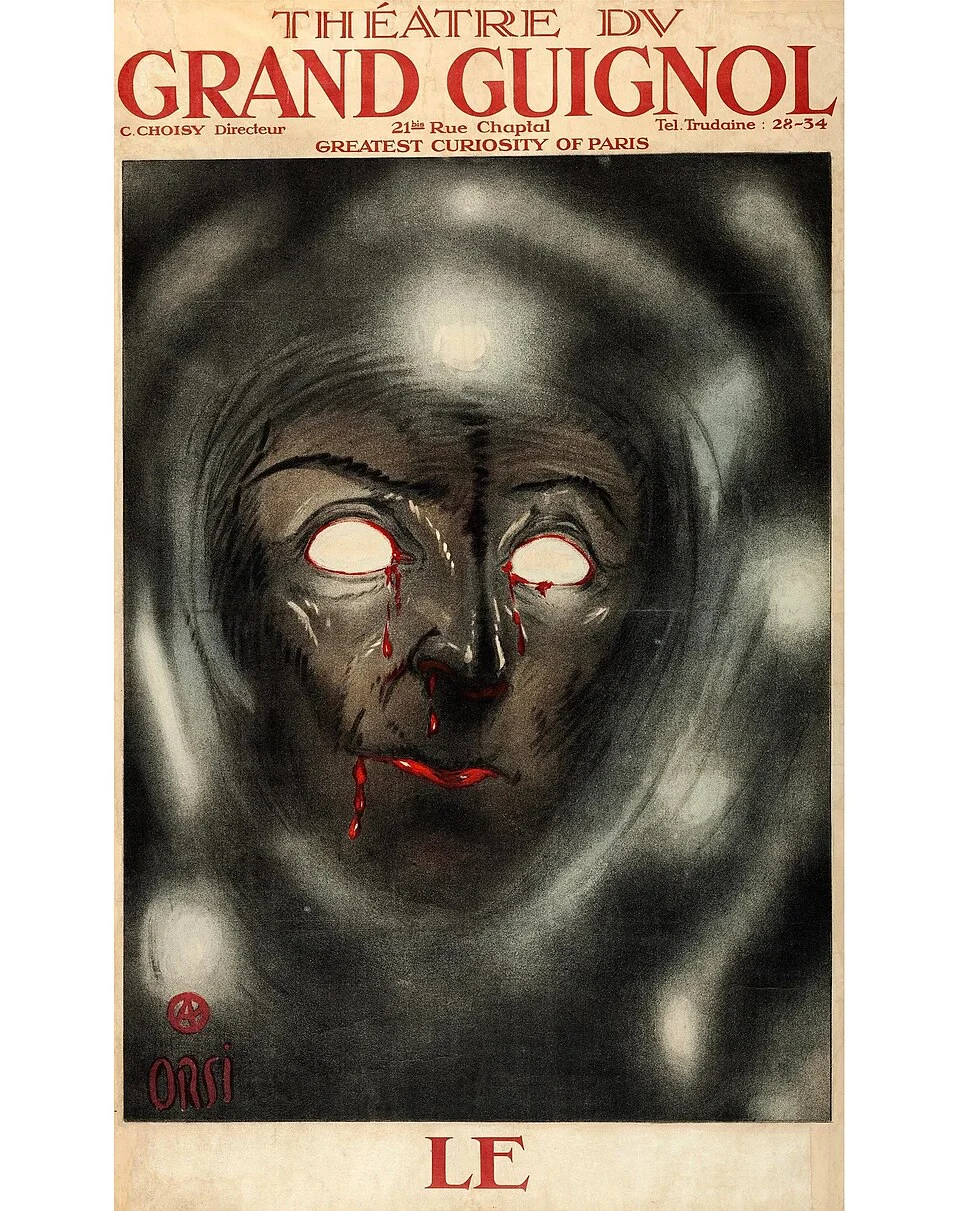
The shows were short and brutal: gouging out eyes, acid, surgeries gone wrong. The stage developed special methods for artificial blood that clotted correctly according to temperature, and the theater kept a doctor on duty in the hall. The number of fainting spells per evening was the official measure of success, and the theater management made sure the press knew it.
The theater closed in 1962. The explanation given by the last director was simple: after what happened in Europe in the 1940s, it was no longer possible to scare audiences with invented horror.
Today, the same place houses the International Visual Theatre, a theater that performs in sign language. The contrast is both difficult to digest and pleasant: the place that built Monitino on screams now presents plays without sound at all.
The living room where Chopin played
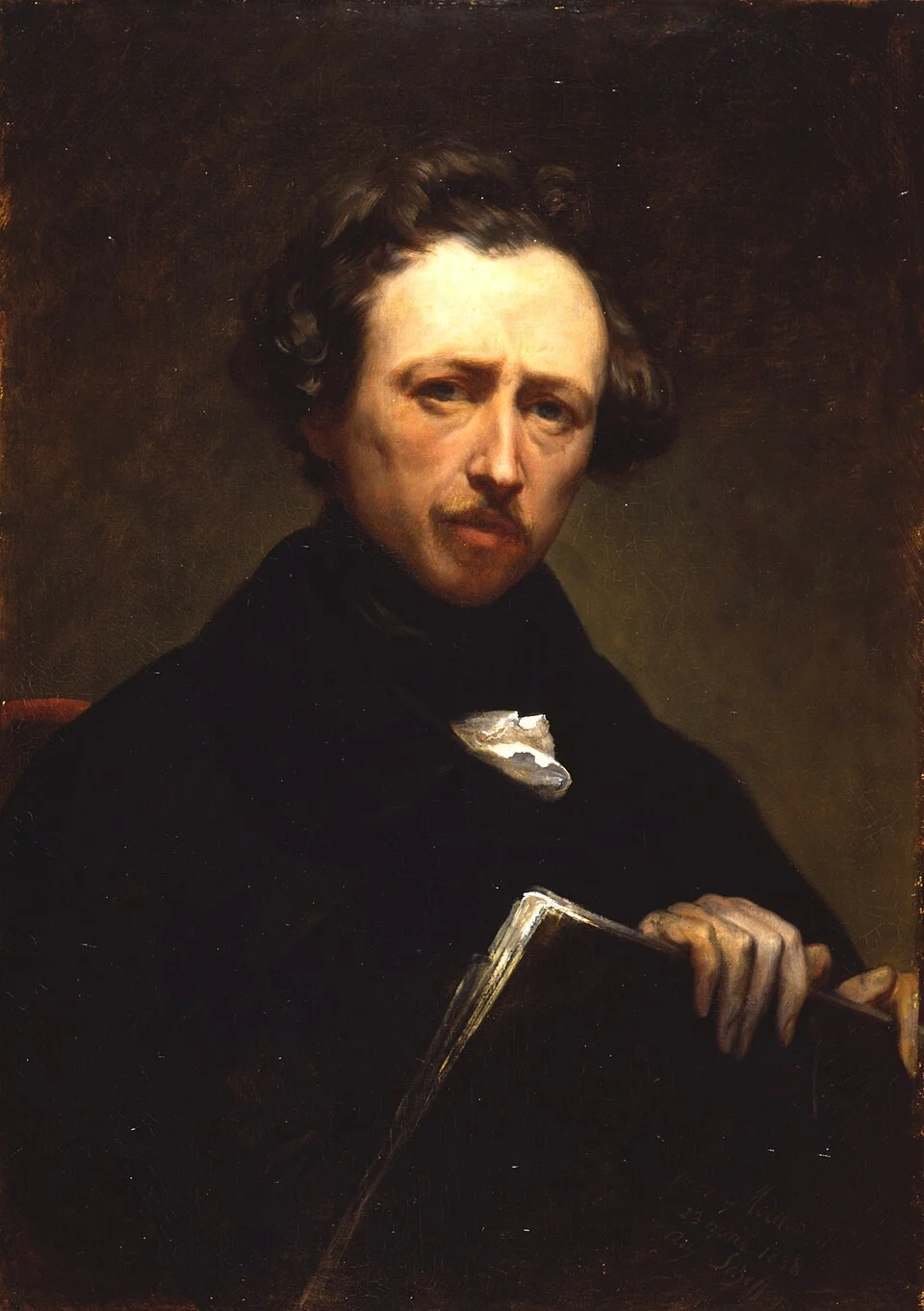
The path ends at a green gate that leads to a paved path, and at the end is a pink shuttered house with a small garden. This was the home of the painter Ary Scheffer (1795–1858) from 1830 until his death, and today houses the Museum of Romantic Life.
On Friday evenings in Schäfer, George Sand (1804–1876), Frédéric Chopin (1810–1849), Franz Liszt (1811–1886), Eugène Delacroix (1798–1863), the singer Pauline Viardot (1821–1910) and Rossini passed through here. After the sidewalks of Pigalle, this courtyard gives the impression of a completely different world, and that is exactly what it was.
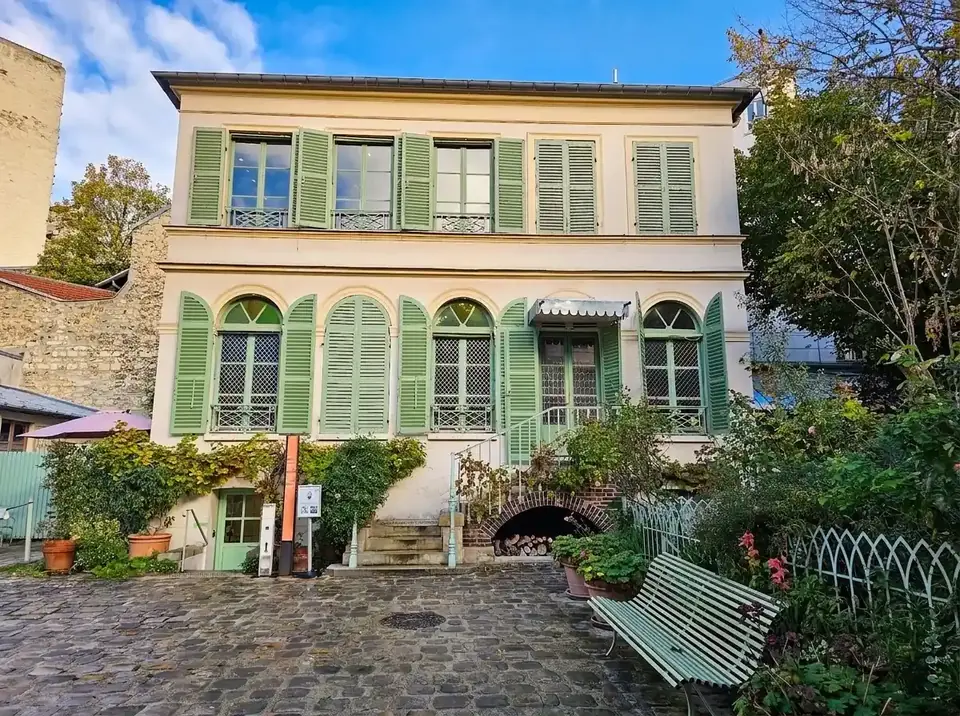
By the way, you can read more about the house, the collection, and the garden in the article about the Museum of Romantic Life . Admission to the permanent collection is free, and a teahouse operates in the garden during the warm season.
If you have any legs left, the Nouvelle Athènes walking route starts right from this gate , which goes down south from here to the streets of actors, painters and Chopin. You can do both in a row on the same day, and it's a full day on one continuous route.
Where to sleep in the track area
The 9th arrondissement is the district with the most hotels in Paris, but only a few of them are right on this line. These three are within walking distance of the starting point, and each represents a different approach to the neighborhood.
-
House Souquet
Station 12 on the route, and you can also sleep there. A brothel from 1905 that was turned into a five-star hotel designed by Jacques Garcia, with an indoor pool, hammam, and winter garden. Very expensive, very intimate, and not suitable for those traveling with children.
-
Libertel Montmartre
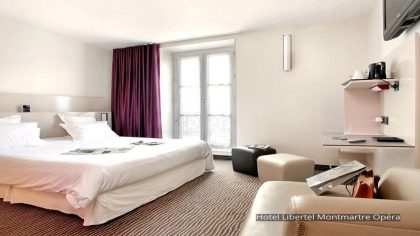
Located on rue Duperré itself, between stations 3 and 4. A simple and reasonably priced hotel, and its advantage is that you can walk out the door and start your route without the metro. The disadvantage is exactly the same advantage: it's a nightlife street.
-
Saint-Louis Pigalle
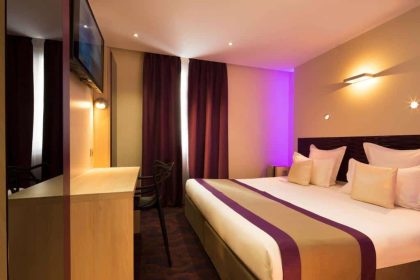
The balanced option of the three. Close enough to Place Pigalle to start the morning without driving, and far enough from the noisy thoroughfare to sleep at night. Suitable for those who want the neighborhood without the price of Maison Souquet.