
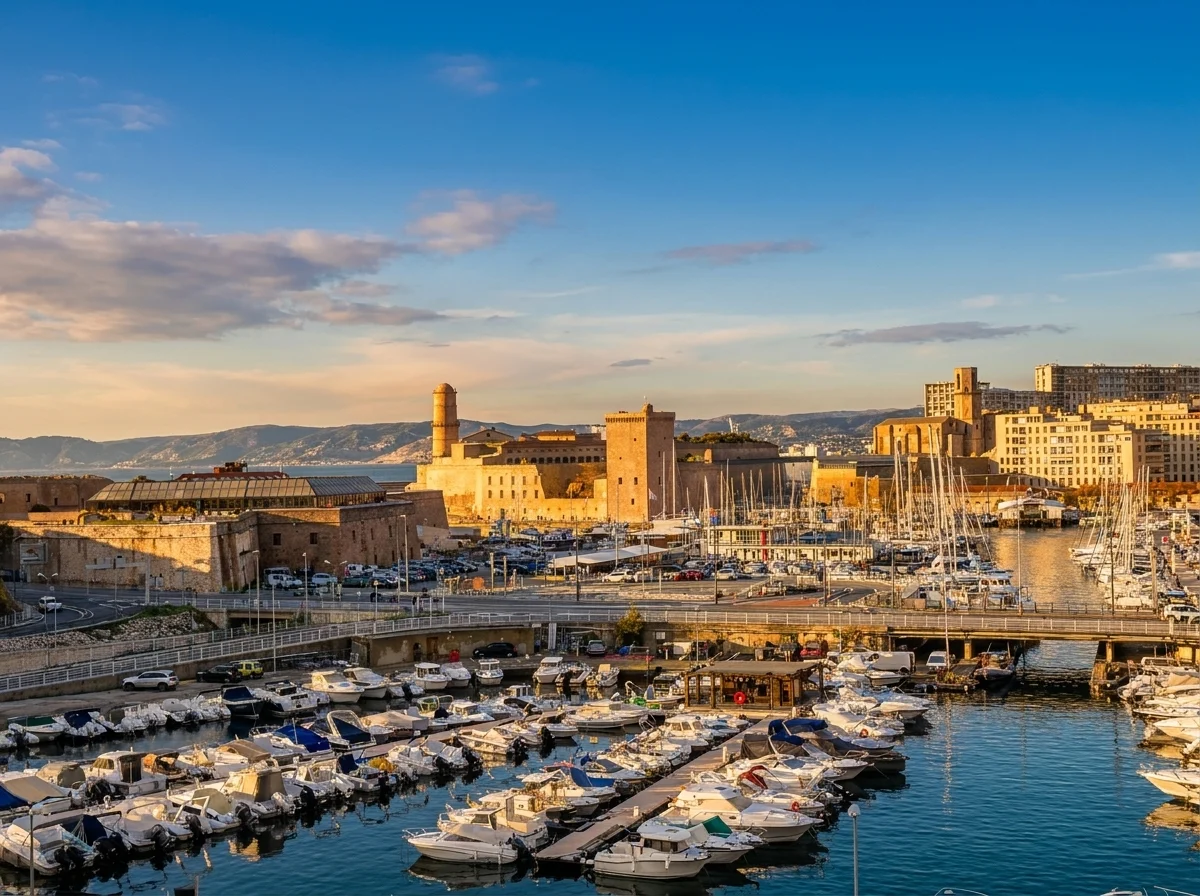
in short
- What's there: A 2,600-year-old ancient port, the Basilica of Notre Dame de la Garde, the historic district of La Fannie, the MuCEM museum, the reconstruction of the Cuscard cave, the Château de If and the Calanques.
- status: The oldest and second largest city in France, the historic capital of Provence, and the European City of Culture 2013.
- How to get there: Up to 24 direct trains a day from Paris, three hours and four minutes on the express line, or a flight to Marseille Provence Airport and a 25-minute A1 shuttle to Saint-Charles station.
- City transportation: Two metro lines, three tram lines and about 80 bus lines. 72-hour pass for 10.80 euros, free for up to 11 years old and over 65 years old.
- How long: Two days for the city itself, three with the Clans or islands, four as a base for day trips in Provence.
- When: April to June and mid-September to October. July and August are hot, busy, and with entry quotas in the Kalnaks.
- And bonus: The ferry boat has been crossing the Old Port in three minutes since 1880, and is included in a standard RTM ticket.
Marseille has a reputation as a city to skip. A port city, they say, dirty, noisy, dangerous after dark, a city that lacks the tenderness of Aix-en-Provence and the light of the Riviera. Whoever says these things has probably never been there. Or has been there for an hour and a half between trains, measured the street in front of Saint-Charles station, and decided he knew.
Marseille is the oldest city in France. In 600 BC, when Paris was a nameless tribal swamp, Greek sailors from Phocaea in Asia Minor arrived here, saw a sheltered bay between white stone hills, and founded Massalia here. From that name, via Roman Massilia and medieval Marseille, the name you pronounce today is derived. A 2,600-year-old city, every layer of it is still visible: the fortress of François I, a 19th-century basilica built on a Crusader watchtower, and a concrete building by Le Corbusier that the Marseilles called “the madman’s house.”
What makes it a different experience from any other French city is not just its antiquity. Marseille is the least Parisian city in France, and it is proud of it. Here people speak loudly, here Arabic, Comorian, Italian and Armenian are heard at the same bus stop, here the fish are still fluttering on the ice at eight in the morning on the Quai des Belges, “Quai des Belges”, now called Quai de la Fraternité, “Quai de la Fraternité”. There is a roughness to this city that deters some visitors, and there is a vitality that is unmatched between Nice and Barcelona. Add to that the fact that the clearest water on the French Mediterranean coast is within its municipal boundaries, in a national park, one bus ride from the center, and you have a destination worthy of three days rather than an hour and a half.
So before we set off and visit Marseille, let's talk about what you'll find in this article. I'll start with practical information, how to get to the city by plane, train, and car, and how to get from the airport to the center. From there, I'll move on to the question of where to live, and which neighborhood is best for which type of visitor. Then I'll talk about public transportation, which is a topic that's worth understanding before you arrive, not after. I've devoted the bulk of the article to what you must see, divided by what fits into two days and what requires more. At the end, questions and answers for those who have already set dates.
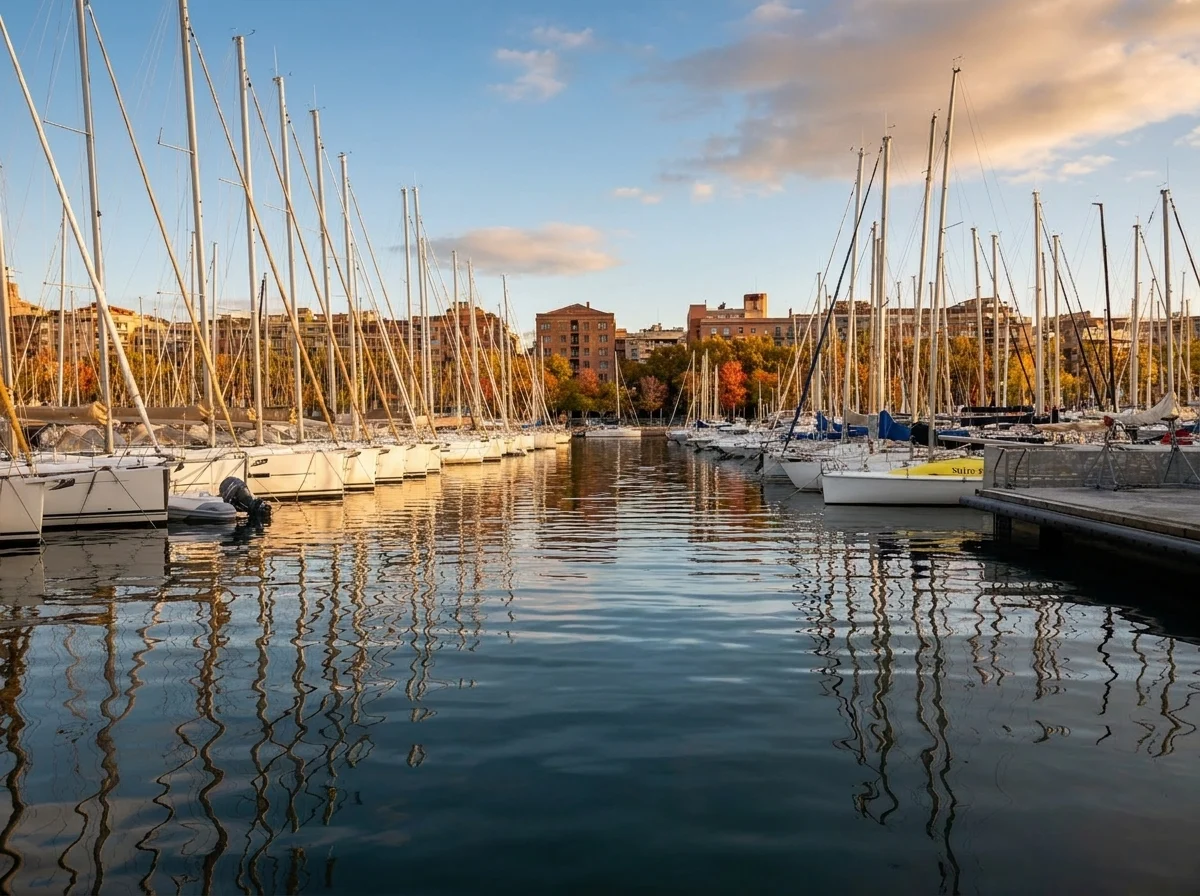
How to get to Marseille
Flights to Marseille Provence Airport
Marseille Provence Airport (MRS) is located in Marignane, about 27 kilometers northwest of the city center. It has two terminals: the renovated Terminal 1, and Terminal MP2, which serves low-cost airlines. The airport is undergoing ongoing infrastructure work, so it is worth adding time to check-in.
There is currently no direct regular flight from Israel, and the usual route is a connecting flight via a European hub or a flight to Nice and then a train from there. It is worth checking out both options at the same time, because sometimes the combination of Nice and a high-speed train is cheaper and more convenient. For details on the terminals, parking, and flight options, I wrote a complete guide to Marseille Airport.
From the airport to the center of Marseille
The simplest and cheapest way is the direct shuttle to the central train station. The line is now called A1 (until August 2025 it was marked 91), it is operated by La Métropole Mobilité, and its station at the airport is between Terminals 1 and 2. The journey takes 25 minutes in moderate traffic and up to 50 minutes during rush hour. The shuttle runs every day of the year, including Saturdays and holidays: first departure from the city at 3:30 am, every ten minutes between 7:00 am and 20:00 pm, and then every twenty minutes until after midnight. From the airport, the first departure is at 4:05 am and the last at around 1:40 am.
Tickets are sold on the La Métropole Mobilité app, at vending machines, at kiosks in the field and at the Saint-Charles transport center, or when boarding the bus with contactless payment. A small detail that is important in the wee hours: between 1 a.m. and 4:30 a.m., the entrance to the Marseille bus station is via the stairs on Place Victor Hugo, on the university side.
There is also a combined option: a five-minute shuttle from the airport to Vitrolles Aéroport station and from there a regional train to Saint-Charles. Taxis are waiting in front of Terminal 1 around the clock, and according to the Marseille tourist office, the fare to the center is around 70 to 80 euros during the day and 90 to 100 euros at night with luggage, and on Sundays and public holidays the rate is higher.
By train to Marseille
This is, in my opinion, the best way to get to the city. The high-speed line from Paris operates up to 24 direct trains a day, from Gare de Lyon to Marseille Saint Charles, and the fastest journey takes three hours and four minutes. You get on in the heart of Paris and get off in the heart of Marseille, without airports and without transfers. The line is operated by TGV INOUI and also the cheaper OUIGO, so the price range is very wide and depends almost entirely on how far in advance you book.
From the Riviera, the journey is much shorter: about two and a half hours from Nice and an hour from Toulon. Aix-en-Provence, Avignon, Arles, and Lyon also have convenient train connections, so Marseille is very suitable as a base for day trips in Provence. To compare prices and book train tickets in France, I recommend the Omio booking engine, which displays SNCF lines alongside other companies on the same screen and allows you to quickly identify which time is cheapest.
The Saint-Charles station itself is worth five minutes of attention before you call a taxi. The building was inaugurated in 1896 to the design of the architect Joseph-Antoine Bouvard (1840–1920), with a steel structure from the office of Gustave Eiffel (1832–1923). The station sits on the Saint-Charles plateau and overlooks the city from above, and from the plaza in front of it descend monumental stairs with allegorical statues of the colonies in Africa and Asia, a decorative theme that recurs in this city again and again in the 19th century. These stairs will take you to the old port in about 20 minutes.
By car to Marseille
Two highways lead into the city: the A7 from the north, which ends near the Saint-Charles station, and the A55 from the west along the coast. I say this without hesitation: there is no good reason to own a car in Marseille itself. The streets in the center are narrow and steep, parking is complicated and expensive, and the city has a reduced emissions zone (ZFE) with restrictions on polluting vehicles.
When is it worth renting a car? When Marseille is a base for Provence, and you plan to go to Luberon, Alpe d'Huez, Cassis, or the vineyards of Bandol. In that case, pick up the car on the day you leave the city, not on the day you arrive. To book a car in France, I recommend working through Auto Shay, which coordinates rental companies with Israeli customers and saves you the hassle of dealing with insurance at the counter. I wrote a guide to renting a car in Marseille about this.
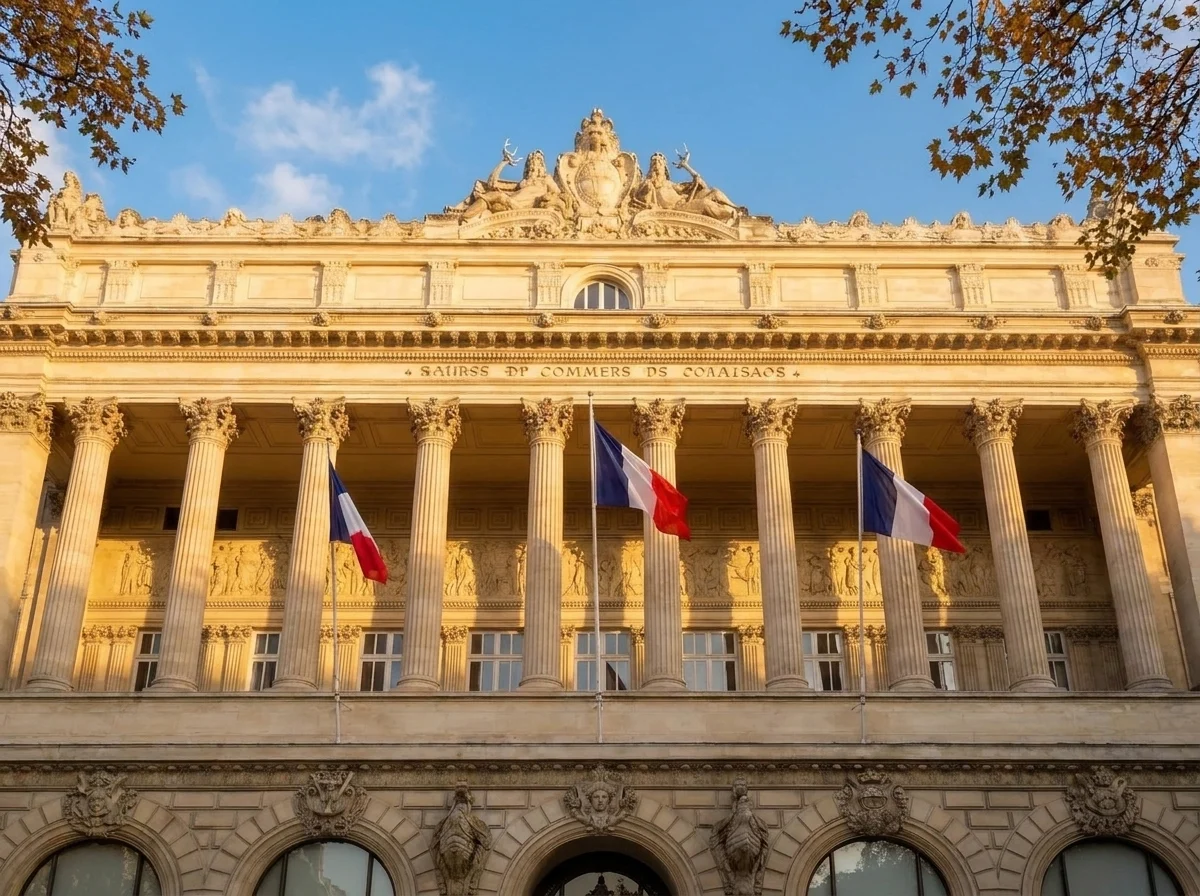
Where to live in Marseille
Marseille is divided into 16 districts, and the differences between them are huge. This choice will affect your vacation more than any other decision you make, so it's worth spending ten minutes thinking about it.
The neighborhoods you should know before booking
The old port and the first district are the obvious choice for a first visit. You are in the absolute center, and most of the addresses in this article are within a fifteen-minute walk. Prices are higher and the noise on weekends is real, but the time savings are huge.
La Fania and the second district are suitable for those who want to sleep in the atmosphere itself, in an apartment in an 18th-century building with a press hanging in the neighbor's window. A great experience, provided your legs are okay: it's a district of stairs, and a suitcase on wheels is the enemy here.
The 6th arrondissement, around the Prefecture and the Castellane , is the compromise I suggest to most families. A quiet bourgeois district from the 19th century, wide boulevards, real supermarkets, reasonable prices and metro stations on both lines. Ten minutes from the port, without the noise of the port.
The seventh and eighth districts, along the Corniche and the Pardo , are for those who come for the sea: the beaches, the promenade above the rocks, Burleigh Park and the starting points for the Clarens. Less convenient for museums, perfect for July and August.
The complete guide to hotels in Marseille
In Recommended Hotels and Vacation Apartments in Marseille you will find my recommendations by budget: luxurious Mediterranean-style hotels, three-star hotels that are worth more than the rating promises, vacation apartments, and two hotels near the airport for those who land at an impossible time.
I will just add a historical note. The most expensive hotel in the city, the InterContinental Marseille, is located in a building that was until 2006 the municipal hospital “l’Hôtel-Dieu,” literally “the dwelling of God,” the historical French name for hospitals originally run by the Catholic Church. It was founded in 1593, expanded over more than a century, and in 1866 Napoleon III inaugurated it in its finished form. Even those who do not plan to sleep there are welcome to go up to the terrace: the view of the harbor from there is one of the most beautiful in the city, and a cup of coffee costs less than a museum ticket.
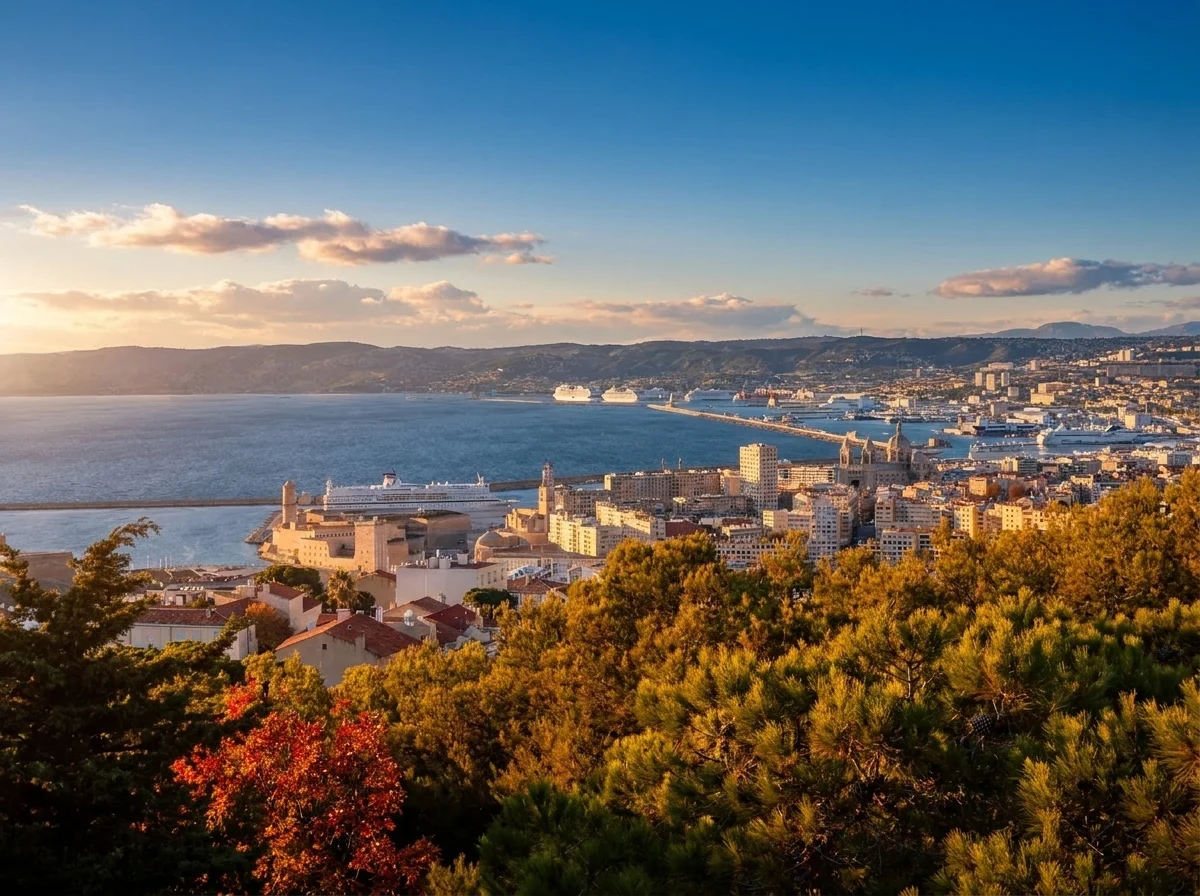
Public transportation in Marseille
Metro, tram and bus on the RTM network
The city network is called RTM. The metro has only two lines, lines 1 and 2, which intersect at Saint-Charles and Castellane, and that's surprisingly enough: almost everything you want to see is on one of them or within a short walk of it. The tram operates three lines on the axis between the center and the eastern districts, and the bus network, about 80 lines, completes the climbs to the basilica and the way to the cloisters.
Pay attention to the operating hours, as they can surprise tourists. The metro opens at 5:30 a.m., but from Monday to Thursday it closes at 21:30 p.m. due to a rail renewal project. On Fridays, Saturdays, and Sundays, on holidays and holiday eves, and on the evenings of games and special events, it operates until 00:30 a.m. Buses operate from 5:30 a.m. to 20:45 p.m., followed by the night buses (Noctambus) until 00:30 a.m. The tram starts at 5:15 a.m. and closes at 00:30 a.m.
Tickets and prices on the Marseille website
The city card is a contactless smart card the size of a credit card, and the contents are loaded onto it at machines in metro and tram stations or at about 150 authorized distributors. After the first tap, you travel freely on the entire network for 60 minutes, and at each exchange you have to tap again: the reader will display “unchanged balance” and you will only pay once.
The main fares: A single ticket (Solo) costs 1.70 euros, and from the bus driver 2 euros. A ten-trip card costs 15 euros and is used by several passengers at the same time. A group ticket for four passengers together costs 4.90 euros per hour. The 24-hour pass costs 5.20 euros and the 72-hour pass costs 10.80 euros, both with no travel restrictions, including the Free Boat line. For those staying a week, there is a real bargain: a weekly pass for 15.50 euros, which also includes the seasonal water shuttles and regional trains within the city.
Two details worth remembering. The first: the single ticket allows only one entry into the metro, you can change lines inside the station, but if you leave it you will need a new ticket. The second: since September 2025, travel on the entire metropolitan network, including the airport shuttle, is free for children up to the age of 11 and for those aged 65 and over. An impressive achievement that not all residents of the city are aware of, and certainly not tourists.
Maritime shuttles and Ferries Marseille
Don’t miss the Frie Bot. It’s a wonderfully ridiculous little boat that crosses the entire width of the old port, from the town hall to the Quai de Rive Neve, a journey of less than three minutes that has been around since 1880 and is an integral part of the city’s identity. It’s included in a regular RTM ticket.
In season, there are also real water shuttles, bus boats that connect the old port with Lestac in the north and Pointe Rouge in the south, and from there continue to Le Goude. A one-way trip costs 5 euros, and the route from the old port to Le Goude, with a change at Pointe Rouge, costs 8 euros. Payment is cash only when boarding the boat, and holders of a weekly, monthly or annual pass travel free of charge, subject to availability. This is, in my opinion, the most beautiful way to see the coastline for the price of a bus ticket.
Is Marseille CityPass worth it?
The tourist office sells a combined card called CityPass, in three versions: 36 euros for 24 hours, 47 euros for 48 hours and 55 euros for 72 hours. It includes unlimited public transport, entry to the city museums, the little train and the cruise to the Chateau de l'If. The calculation is simple: those who plan on two museums a day and heavy use of transport will benefit. Those who come for the flea markets and markets will buy a 72-hour transport pass and pay for entrance fees separately.
What to see in Marseille in two days
The Old Port, the heart of Marseille
The Old Port (Le Vieux-Port) is not a site to visit, but the place where it all begins. This is the same bay that the Greeks chose 2,600 years ago, the Lacydon, and to this day it is the heart of the city. In the morning, on the Quai des Belges, there is a small fish market where fishermen sell their night's catch straight from the crates, on folding tables, shouting in no way to tourists. It's worth getting there before nine.
Above the market is Norman Foster's Mirrored Shade, a polished steel panel on slender columns that reflects the reflections of passersby back to the floor. Some Marseille residents hated it when it was built, and it is now a common photograph in the city. From there, I suggest heading east to La Canebière, the main avenue that was the city's symbol of luxury in the 19th century and whose name derives from the hemp from which ship ropes were made here, and from there to the markets of Noy, where Marseille sounds less French and more Mediterranean.
Basilica of Notre Dame de la Garde
“Le Bon Mare,” the Good Mother, is the symbol of the city. The basilica sits on the highest hill in Marseille, at 149 meters, where a watchtower stood since the 13th century. The current building was designed by architect Henri-Jacques Espérandieu (1829–1874), in a neo-Byzantine style with white and green stone stripes, and on its bell tower, 41 meters high, stands a golden Virgin that is visible from anywhere in the city.
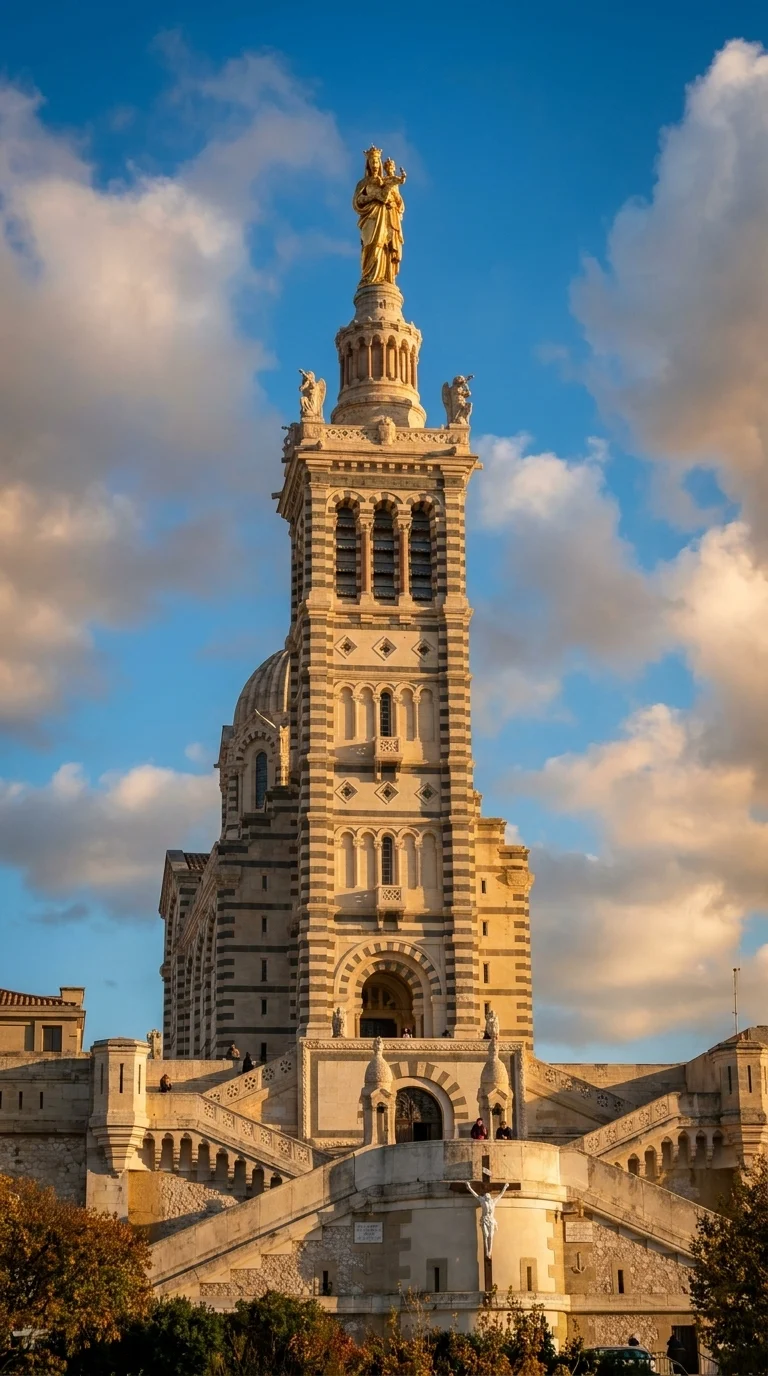
Two things justify the climb. The first is the view. The second, and I prefer it, is the hall of the “ex-votos,” the thanksgiving offerings: hundreds of innocent ship paintings, ship models, crutches, gold chains, and marble tablets with handwritten thanks, all from residents who prayed for a safe return from sea or illness. This is perhaps the most moving folk museum in France, and no one called it a museum.
Admission is free, and the place is open every day from 7:00 a.m., in low season until 6:15 p.m. and in high season until about 7:15 p.m. A small museum on the ground floor is open every day except Monday, from 10:00 a.m. to noon and 2:00 p.m. to 5:00 p.m., for about 2 euros. The easiest way is to take bus 60 from the old port, from the town hall and from the MuCEM, which takes about 20 minutes to the parking lot below. The walk from the port takes 30 to 40 minutes and is steep. Wear modest clothing, this is a place of worship, and keep in mind that pets are not allowed. For those who want an explanation of the place, I recommend walking tours that include the basilica.
La Fannie, the old quarter in Marseille
The best way to enjoy Le Panier is to get lost in it. Narrow alleys, steps, café terraces, facades painted with street art, Marseille soap shops, designer boutiques and artist workshops. The district sits on three hills above the northern bank of the port, and in the 19th and 20th centuries it was a stronghold of poverty, crime and prostitution. Part of it was destroyed by the German occupier in 1943, and in recent decades it has undergone a thorough upgrade without losing its rural character.
What not to miss in it: Place de Lenche, the oldest square in the city, where the Greek Agora stood from which citizens could watch the harbor. The quiet Place des Moulins, on whose hill stood the city's windmills. The Church of the Jacoule and the Church of the Carme. And in the heart of the district, the arched structure of La Via Sérita, to which I dedicated a separate section.
MuCEM and the Citadel of Saint-Jean
MuCEM, the Museum of European and Mediterranean Civilizations, opened in 2013 when Marseille was European City of Culture, and has transformed the city. Designed by architect Rudy Ricciotti (born 1952), the building is a black cube wrapped in a perforated concrete lattice that filters the Mediterranean light, and sits on pier J4 at the entrance to the port. A thin flyover connects it to the 17th-century Citadel of Saint-Jean, and a second bridge leads from there to the La Fannie neighborhood.
The museum deals with the anthropology of the Mediterranean peoples: food, religion, agriculture, trade, gender, migration. It is important to know that the gardens and terraces of the Citadel of Saint-Jean are open free of charge, even to those who do not buy a ticket, and the view from there over the harbor entrance is worth the visit in itself.
The museum is open every day except Tuesday, usually from 10:00 to 18:00, with an extension to 19:00 or 20:00 in summer, and closed on May 1 and December 25. One ticket opens all exhibitions: 11 euros for an adult, 7.50 euros for a discount and 18 euros for a family ticket for two adults and up to five children. Admission is free for those under 18 and on every first Sunday of the month. You can book a ticket in advance for MuCEM and save money.
Mediterranean Coser, the cave under the sea
This is, in my opinion, the most surprising attraction in Marseille. In 1985, a diver from Cassis named Henri Cosquer discovered the mouth of a cave 37 meters below sea level, down an underwater corridor 175 meters long. At the end, a dry cave awaited him, the walls of which were covered with some 480 paintings and engravings made between 33,000 and 19,000 years ago, when the sea level was tens of meters lower and the cave opened onto dry land. Penguins, bison, small horses, wild cats, red and black palms.

The original cave is inaccessible and never will be, and is in existential danger from global warming and rising sea levels. That’s why an exact replica of it was built, opening in 2022 inside “Villa Mediterraneo” on pier J4, just minutes from MuCEM. The visit is made on small carriages called “exploration modules,” with an audio guide in six languages, followed by a short film about the discovery and a gallery where 11 species of animals have been recreated in life-size.
The place is open every day: weekdays, outside school holidays, from 9:30 to 18:00, on weekends, holidays and vacations until 19:30, and in July and August from 9:00 to 20:30. The ticket for an adult costs about 18 to 19 euros, 11 euros for ages 10 to 17 and 6 euros for ages 6 to 9, and free for children under 6. Entry to the cave is not permitted under the age of 3, and advance booking is practically mandatory during the season. You can book tickets for the Mediterranean Cosker Cave and set an entry time. Full information in the article about the restored Cosker Cave.
Iff Castle and the Islands of Marseille
An exposed rock island facing the harbor, topped by a square fortress 28 meters on a side with three towers. Francis I (king 1515–1547) ordered its construction after the armies of Charles V besieged Marseille in 1524, and the work was carried out between 1527 and 1531. From 1580 the fortress was used as a political prison, mainly for Protestants and Republicans, and remained so for almost 400 years. The last prisoners were released in 1914.
The island gained worldwide fame from a non-existent prisoner. Alexandre Dumas (1802–1870) imprisoned Edmond Dantes and Father Faria there in “The Count of Monte Cristo,” published in 1846, and visitors can still peek into the cell and the hole through which he escaped. The permanent exhibition is dedicated to Dumas and the novel, and a second exhibition is dedicated to the graffiti left on the stone by real prisoners.
The cruise lasts about 20 minutes and departs from the Gare de la Fraternité. The entrance fee to the site, which does not include the cruise, is around 7 euros, and entry is free for those under 26 who are EU citizens or permanent residents. The site is closed on Mondays in low season, and on January 1 and December 25. A word of caution: when the mistral is strong, the boats do not anchor near the Rock of If, even if they continue to the Friul Islands. Check the wind before buying a ticket, and if you only have one morning to spare, take the first cruise. Tickets to the Château de If are also sold in advance online.
The same boats continue to the Friol Islands, two exposed islands connected by a causeway, part of the Calanques National Park: small bays, rock paths, an abandoned fort and a panorama of the entire city. Those who want to swim and not walk between prison cells will choose Friol rather than If.
What to see in Marseille if you have more than two days
The Kalanki, the national park within the city
Marseille is the only major city in Europe that has a national park within its municipal boundaries. The calanques are narrow, deep inlets cut into the white chalk, with water of a color that is hard to believe is real. Sugiton, Morgue, Sormieu, En-Vou, Vou-Morgue, and each one requires a walk.
The most accessible is Sugiton: bus B1 or 21 from Castellane or Place de la Prade to the “Luminy PN des Calanques” stop, and from there it’s about a 45-minute walk. To reach Sormio and Morgiou, take bus 22 to “Les Baumettes” and continue on foot. Be aware of three restrictions that vary from season to season and that it’s important to check before you go. First, entry to Calanque Sogiton and Pierre Tombe requires advance booking, free of charge, online, during the peak season from around the end of June to the end of August, within the framework of a daily quota set to stop soil erosion. Second, every day between June 1 and September 30, a fire risk level is set that can completely close the massif, including to pedestrians. Third, the access roads to Sormio, Morgiou and Calelong are closed to vehicles from 7:00 a.m. to 19:00 p.m. on weekends and in summer. All three pieces of information are checked on the national park website on the morning of departure, not a week before.
Those who don't want to walk for an hour in the sun will choose the sea. National park-licensed companies operate cruises to the calanques from the old port and Pointe Rouge, from a two-hour cruise to a full day on a catamaran with docking and swimming.
La Vieille Sérita and La Fania Museums
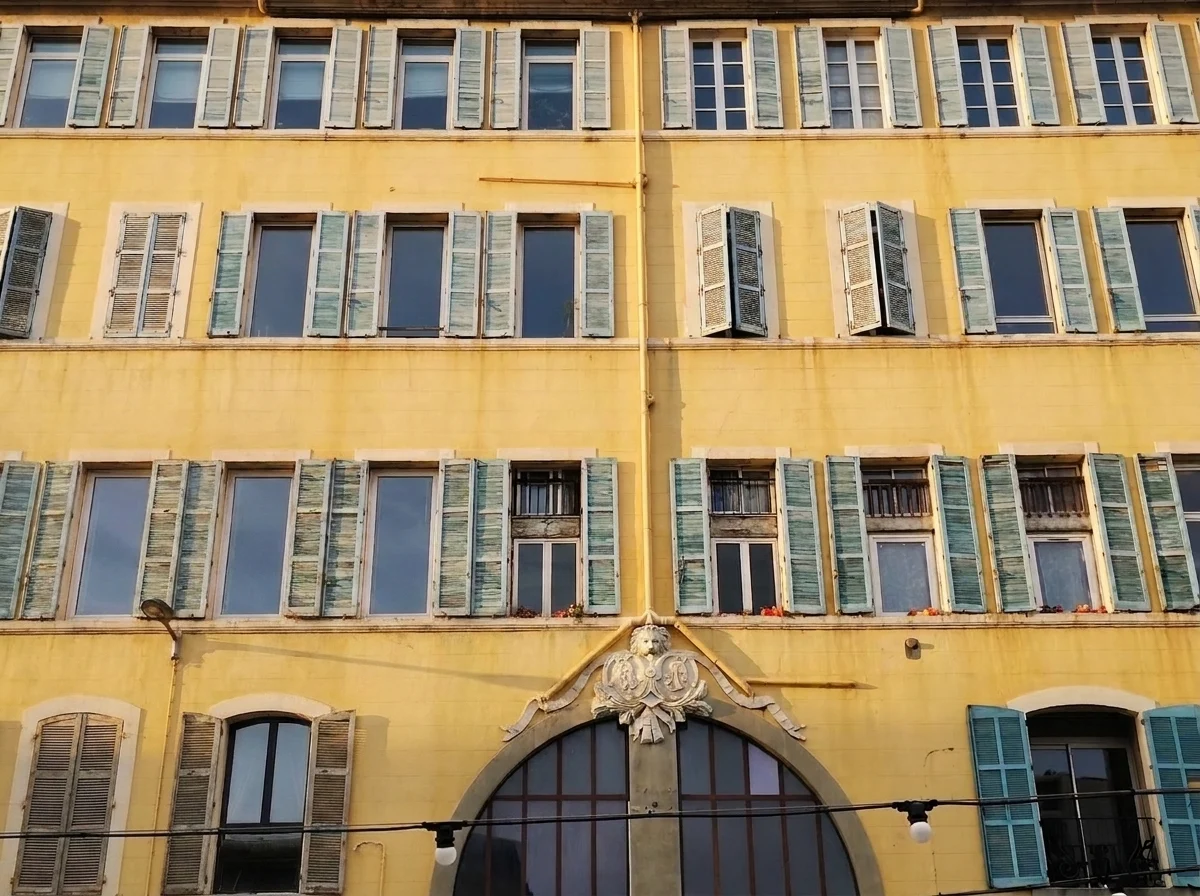
At the heart of La Fannie stands the city’s most impressive, and in my opinion, most beautiful, arched structure: La Vieille Charité, literally “the old charity house.” It was built in the 17th century to the design of Pierre Puget (1620–1694), the great sculptor and architect of Marseille, and features an elliptical chapel with a dome at its center. The structure was completed in 1745, and its function was to gather and shelter the poor, beggars, and sick who wandered the city.
After years of neglect, the city of Marseille began a twenty-five-year renovation in 1961, and in 1986 the building was inaugurated as a cultural center. Today it houses the Museum of Mediterranean Archaeology, with an Egyptian collection that is the second largest in France after the Louvre, and the Museum of Arts of Africa, Oceania and America. Even those who do not enter the halls are welcome to sit in the arched courtyard: it is one of the quietest places in the city.
Longshan Palace and Museum of Fine Arts
Le Palais Longchamp is a monumental fountain disguised as a palace, and one of the strangest and most spectacular buildings in 19th-century France. Designed again by Esprendia, the building was built to celebrate the completion of the canal that brought water to Marseille from the Durance River after the cholera epidemic of 1834: winding colonnades, waterfalls, statues of bulls and lions, and a public garden at the back.
The two wings house two museums: the Musée des Beaux-Arts, with collections of French and Italian painting and a room dedicated to Pierre Fougere and Daumier, and the Museum of Nature. The Cinq Avenues Longchamp metro station on line 1 stops right there. I recommend arriving in the evening, when the light turns the stone yellow and the fountain is illuminated.
Le Corbusier's Cita Radiez
On Avenue Michelet in the 8th arrondissement stands a concrete building 165 meters long, 24 meters wide and 56 meters high, resting on concrete pillars as thick as a ship moored in a park. It is the first residential unit built by Charles-Édouard Jeanneret, known as Le Corbusier (1887–1965), between 1947 and 1952, the first of five he designed: 337 apartments, and inside the building a commercial street on the middle floor, a school, a kindergarten, a hotel, a restaurant, a rooftop pool and an observation deck. The Marseilles of the time thought it was a scandal and called it “la Maison du Fada”, the madhouse in Provençal. In July 2016, it was inscribed on the UNESCO World Heritage List, and it is the only one in Marseille to have been granted this status.
Please note an important detail: this is an inhabited residential building, not a museum. Independent visitors are only allowed to enter certain parts, including the inner courtyards and the open part of the roof terrace, and entry to the common spaces is prohibited out of respect for the neighbors. The full tour, including an original apartment preserved as a historical site, is led by a guide from the Marseille Tourism Office, by reservation only. Bus 21 from Castellane stops at the “Le Corbusier” stop.
Burleigh Park and Castle

The most well-kept park in Marseille, 17 hectares of ponds, sculptures and gardens in various styles, centered around an 18th-century castle built by a wealthy merchant family. The castle now serves as a museum of decorative arts, pottery and fashion, and the park itself is where the city's residents go on Saturday afternoons. It is adjacent to the beach and the Corniche, so it fits in perfectly with a day dedicated to the south of the city. You can find the full history of the family and the building in an article about the Château de Borly.
San Victor Monastery and Emperor's House
The Abbey of Saint-Victor (l'Abbaye Saint-Victor) sits on the southern bank of the harbor and is the oldest religious building in the city. It was founded in the 5th century near the tombs of saints and martyrs, and its crypt, the really interesting part, contains early Christian sarcophagi and rock-hewn chapels. On February 2, the feast day of the abbey, boat-shaped cookies called “navettes” are baked there, a distinct local tradition. Also operating near the harbor is the oldest store in France, Maison d'Empereur, a housewares store that opened in 1827 and is still owned by the same family, and its story can be found in the article on Maison d'Empereur.
For those who dedicate three or more days to Marseille, I suggest completing the picture with two things that are not sites: a real Bouillabaisse meal at a restaurant that proclaims the Bouillabaisse Convention, not on a tourist terrace in the port, and a walk in Les Goudes or Vallon des Offs, the fishing villages that remain within the city.

Tours and Cruises in Marseille
I have compiled here the guided tours, cruises to the calanques and islands, culinary tours and popular entrance tickets in the city, so that you can compare prices and times in one place:
Questions and answers about visiting Marseille
How many days should you spend in Marseille?
Two days are enough for the old port, the basilica, La Fannie, the MuCEM and the Cossacks. Three days allow you to add the Clans or the Frioul Islands and the Château d'If. Four days make Marseille a base for day trips to Provence, Aix-en-Provence, Cassis or Arles, all within train reach.
When is the best season to visit Marseille?
April to June and mid-September to October, without hesitation: full light, pleasant temperatures for walking, and the calanques are open with no fire restrictions and no reservation quotas. July and August are hot and busy, and the hard part is not the heat but the lines and the closures. Winter is mild and pleasant, but the mistral can cancel sailings for a whole day.
Is Marseille safe for tourists?
The tourist districts where you will spend your time are safe during the day and evening, as in any large port city. The rule is a metropolitan rule, not a Marseille one: keep your bag closed, don't leave your phone on a table on a terrace, be careful in crowds in Saint-Charles and Noisy, and be careful in the wee hours of the morning in areas you don't know. The northern districts are not a tourist destination and you have no reason to wander around them.
Do I need to purchase tickets to Marseille in advance?
For the Mediterranean Coast, yes, and this season it's almost mandatory, because admission is divided into hours. For the MuCEM, it saves you a line at the entrance. For the Château de If, I recommend the opposite: buy the cruise ticket on the spot, because if the mistral is blowing, the boat won't dock at the island. Admission to the Basilica is free and does not require a reservation. For a tour of the Cité Radiés, advance reservation is absolutely mandatory.
Is it possible to get around in Marseille without a car?
Absolutely, and even recommended. Two metro lines, three tram lines, about 80 bus lines and water shuttles cover everything you could want, and a 72-hour pass for 10.80 euros solves the question. A car only becomes useful on the day you leave the city for the rest of Provence.
What do you eat in Marseille?
Bouillabaisse is the city’s signature dish. Real fish soup is served in two stages, the soup and the fish separately, and it’s not cheap, so look for a restaurant that has signed the Bouillabaisse Charter. Alongside it are panes, chickpea flour pancakes, Italian-influenced pisaladaire, San Victor sprouts, and of course pastis with ice at six in the evening, which is less a drink and more a ceremony.
Note
You are welcome to browse the group Provence and the French Riviera Francophile tips Which contains many posts about Marseille, its bars and restaurants.
Many thanks toDr. Orna Lieberman For the help she provided while writing this article.
More on the subject